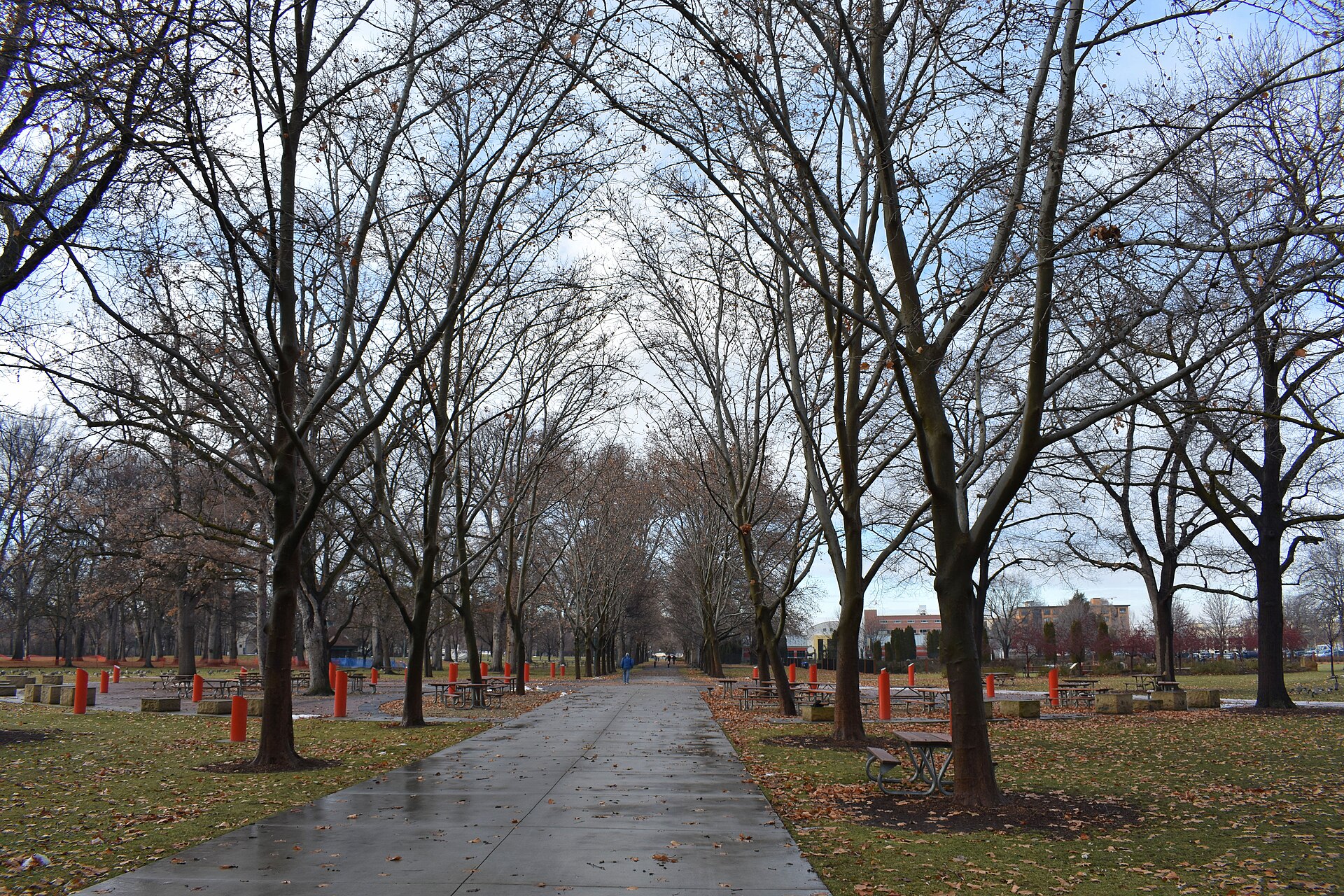
Yes. Every summer, weather and river flow permitting, people float a roughly six-mile stretch of the Boise River on inner tubes, rafts, or kayaks, starting at Barber Park and ending at Ann Morrison Park. The city of Boise runs a shuttle bus between the two points during the season, and the whole operation depends on how much water Lucky Peak Dam is releasing that week.
How does the float actually run, start to finish?
The standard route begins at Barber Park, on the river’s southeast edge, and ends at Ann Morrison Park, several miles downstream and closer to downtown. Boise Parks and Recreation, the city department that manages the route, describes it as a multi-hour trip depending on water speed and how often people stop.
Most people put in at Barber Park with a rented or personal tube, drift downstream past the Quinn’s Pond and Esther Simplot Park area and the Boise Whitewater Park, and take out at Ann Morrison Park. From there, Boise Parks and Recreation operates a shuttle bus back to Barber Park during the float season, so a vehicle does not need to be moved between the two ends. The city’s own site is the source for current shuttle schedules and fares, since both change year to year.
The whole run sits alongside the Boise River Greenbelt, the paved path that follows the river through the city, so anyone on the bank at any point can usually see both walkers and floaters within the same stretch of water.
When does the float season actually run, and why does it change?
There is no fixed calendar date. The float depends on river flow and water temperature, both of which are controlled upstream at Lucky Peak Dam by the U.S. Army Corps of Engineers and the Bureau of Reclamation, which manage the reservoir system that feeds the Boise River through the city.
In practice, the float typically operates through the summer months, opening once flows have dropped enough after spring runoff to be manageable on a tube and closing again once flows fall too low or the season simply ends. Boise Parks and Recreation posts current flow-dependent status and closures on its own site, since a good float year and a poor one can look very different depending on snowpack. The U.S. Geological Survey also publishes real-time Boise River flow data, which is the underlying figure the city’s own decisions are based on.
This is one part of Boise where the season is dictated entirely by upstream water management rather than a set opening and closing date, which matters for anyone timing a trip weeks in advance rather than checking the week of.
What do you actually need — and what does the city or a concessionaire supply?
Tubes are not provided by the city itself. A concessionaire contracted to operate at Barber Park rents tubes and related gear for the float season, and people also bring personal tubes, rafts, or kayaks. Boise Parks and Recreation’s own site is the place to confirm current rental arrangements and any capacity limits at the put-in.
Beyond a tube, the practical items are straightforward:
- Footwear that stays on in moving water — the riverbed is not sand.
- Sun protection, since much of the route has little shade.
- A way to keep phones, keys, and money dry, since anything not secured tends to end up in the river.
- Water, since the trip runs several hours in open sun during the hottest part of the Idaho summer.
Idaho Fish and Game and the city both point to life jackets as the standard safety recommendation, particularly for children, and current guidance on personal flotation devices should be checked on their own sites rather than assumed. Access Boise does not offer safety, medical, or legal advice beyond pointing to those official sources.
How is the float different from the Boise Whitewater Park?
They are two different features on the same river and are easy to conflate. The float is a slow, several-hour drift along a natural stretch of the Boise River. The Boise Whitewater Park is a shorter, engineered section with adjustable wave shapers, built for surfing, kayaking, and short-run paddling rather than a long float.
Floaters typically pass through or near the whitewater park’s location as part of the longer route, and the city’s own materials distinguish the two clearly: one is a managed recreational feature with technical features, the other is an open-water tubing run with a put-in and take-out miles apart.
.jpg)
Where does the float sit relative to the rest of the Greenbelt and the parks?
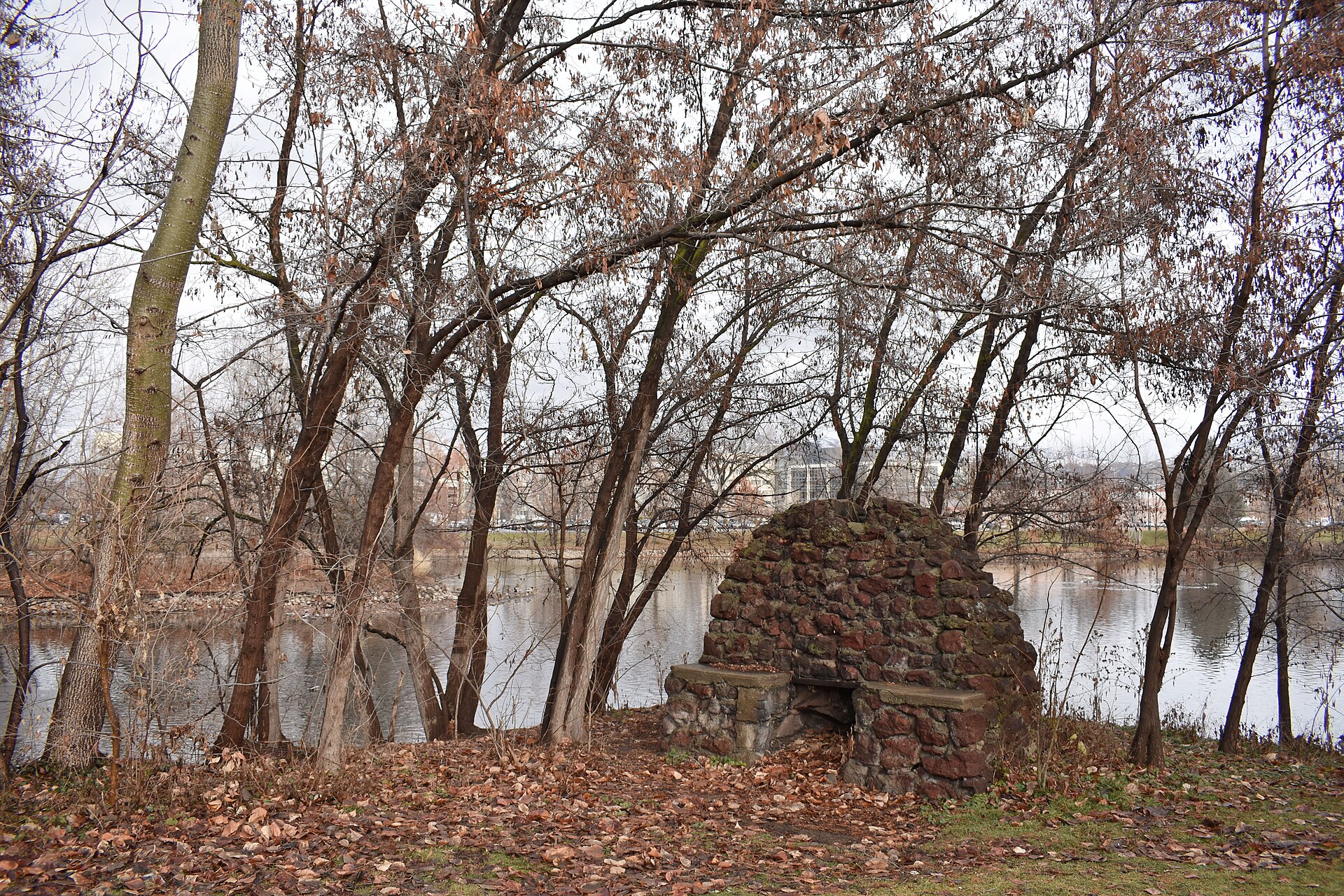
Barber Park and Ann Morrison Park bookend the float, and both sit on or near the Greenbelt system that threads through Boise’s river parks. Ann Morrison Park, the take-out point, is one of the city’s larger river-adjacent parks, and Julia Davis Park, home to several of the city’s museums, sits just downstream of it along the same river corridor.
Someone not floating at all can still watch the route from the bank, since the Greenbelt runs the full length of it. The Greenbelt’s own route extends well beyond the float section in both directions, connecting parks and neighbourhoods that have nothing to do with tubing.
Do you need a car to do this?
Barber Park has its own parking, and the shuttle bus is built specifically to solve the return-trip problem, so a car is not strictly required to complete the loop once at the put-in. Getting to Barber Park itself, though, is easier with a vehicle or a ride than on foot from downtown, given the distance.
Anyone planning transport around the float as part of a broader visit should check the city’s general transit options, covered on this site’s Getting Around pages, alongside whether a car is worth having in Boise at all, a question addressed directly at Do You Need a Car in Boise?
What time of year and day makes sense for this, practically?
The float sits squarely in Boise’s hottest stretch of the calendar, and conditions on a 100°F day are covered in detail at Planning a Boise Day at 100°F. Afternoons in peak summer tend to be the busiest and hottest window; the city’s shuttle and put-in operations typically run longest hours during that same stretch, which is worth checking directly rather than assuming.
Anyone building a full day around it might also look at how a river morning fits into a wider plan, discussed at A Boise Morning on the Greenbelt, and What Comes After, or how outdoor-only days in Boise generally get structured, at A Boise Day That Is Entirely Outdoors.
What should a resident know that a first-time visitor might not?
For people living in Boise, the float is less a single trip than a recurring summer fixture, one that depends year to year on how much snowpack fed the reservoirs that spring. A dry winter can mean a short float season or one that opens later than usual; a heavy winter can push flows too high for tubing well into summer.
Regular users also treat Barber Park’s shuttle schedule and the river’s daily flow reading as things to check on the morning of a trip rather than assume from a previous visit, since both the Bureau of Reclamation’s releases and the city’s operating hours can shift within a season. That habit — checking the current number rather than relying on memory — is the throughline of how the float actually works, more than any fixed route or rule.
Broader context on how the city functions day to day, including how residents plan around the river and the foothills together, is covered in the Parks & Foothills section and the Living in Boise hub.
Access Boise is an independent guide written from published, checkable sources. We have not visited the places described here and we do not publish personal recommendations or invented ‘local favourites’ — where something is singled out as notable, we say who says so. Opening times, fares, closures and prices change at short notice, so treat everything here as a starting point and confirm with the museum, operator or venue directly before building a day around it. We give no advice on visas, insurance, health or safety; use your own government’s official guidance for those.
Featured image: Photo by Tamanoeconomico, source, CC BY-SA 4.0
.jpg)