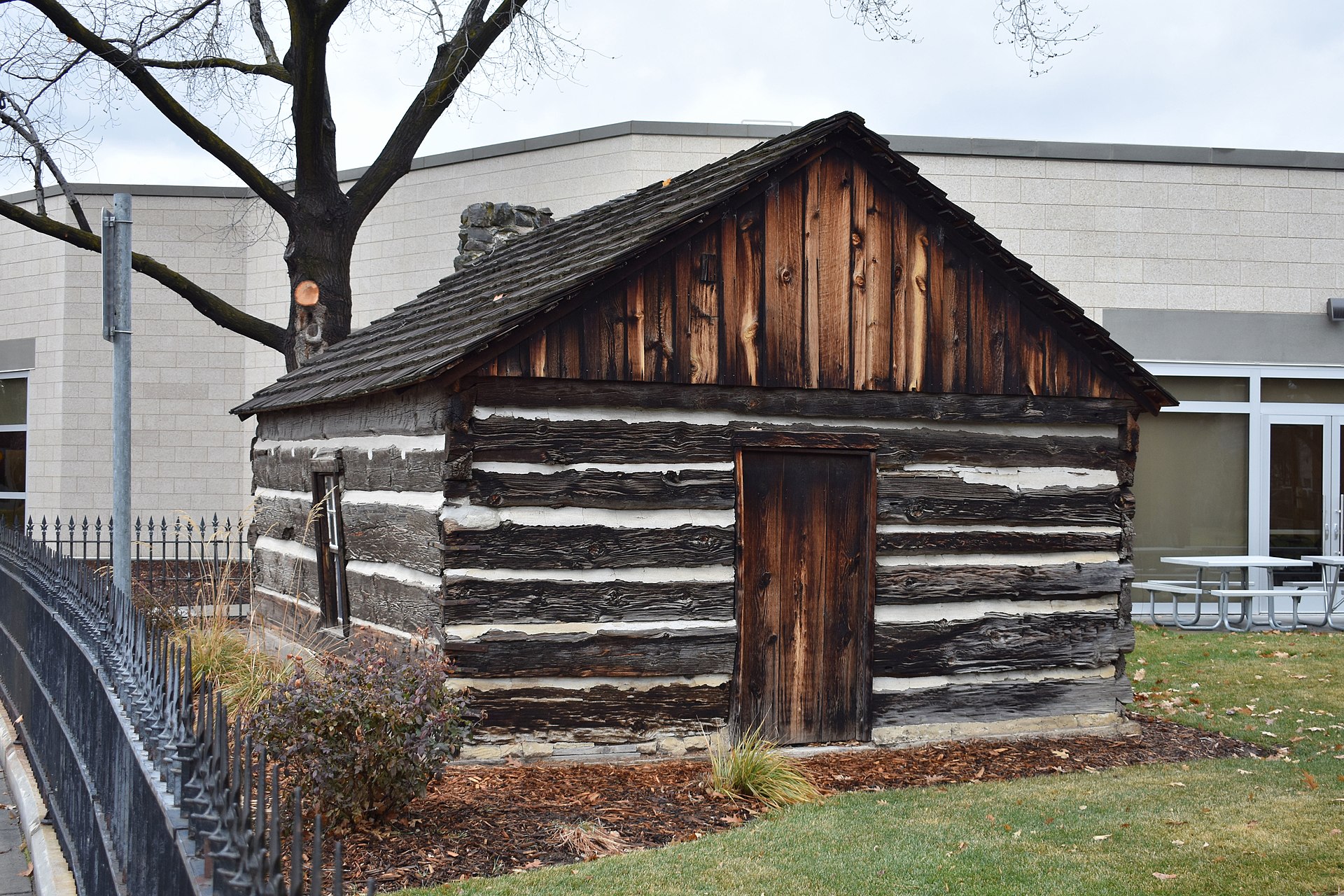
Julia Davis Park is a roughly 90-acre city park on the south edge of downtown Boise, along the Boise River, and it functions as the city’s cultural core as much as its green space. Inside its boundaries sit the Boise Art Museum, the Idaho State Museum, Zoo Boise, a public rose garden, and an outdoor bandshell — all owned and run by different institutions but clustered on land the City of Boise’s Parks and Recreation department maintains as a single park.
Where is the park, and how does it fit into downtown Boise?
The park sits between Capitol Boulevard and Broadway Avenue, immediately south of the Boise River, a short walk from the heart of downtown Boise’s defined core. It is bordered on its north side by the river itself, which separates it from the Boise State University campus on the opposite bank. The Boise Train Depot looks down on the park from the rise above, on what locals call the depot bench, connected to the park by a formal set of gardens and a walkway rather than sitting inside the park proper.
What is the park named for?
The City of Boise’s own parks materials attribute the name to Julia Davis, wife of Thomas Davis, a pioneer farmer who worked land along this stretch of the Boise River in the late 19th century. Thomas Davis donated a portion of that land to the city, and it opened as a public park in the early 1900s — the City of Boise dates it as the oldest developed park in its system.
What museums and institutions are inside the park?
Four major institutions occupy park land, each independently governed and each worth understanding as a separate operator rather than an attraction of the park itself.
- Boise Art Museum (BAM) — the state’s principal fine-arts museum, with a permanent collection and rotating exhibitions; BAM’s own site is the authority on current shows and hours.
- Idaho State Museum — run by the Idaho State Historical Society, covering Idaho history from Indigenous peoples through statehood and the 20th century; the Historical Society’s site describes its own galleries and research holdings, and the building underwent a major renovation completed in the late 2010s.
- Zoo Boise — a city-operated zoo accredited by the Association of Zoos and Aquariums, with exhibits organized loosely by continent; Zoo Boise’s own site is the source for current species on display and conservation programs it funds.
- Discovery Center of Idaho — a hands-on science center aimed at families, sited at the edge of the park nearest Capitol Boulevard.
For a broader sense of which of these charge admission and which don’t, see this site’s rundown of free Boise museums, and the general landscape of the city’s collections in the Museums & Galleries archive.
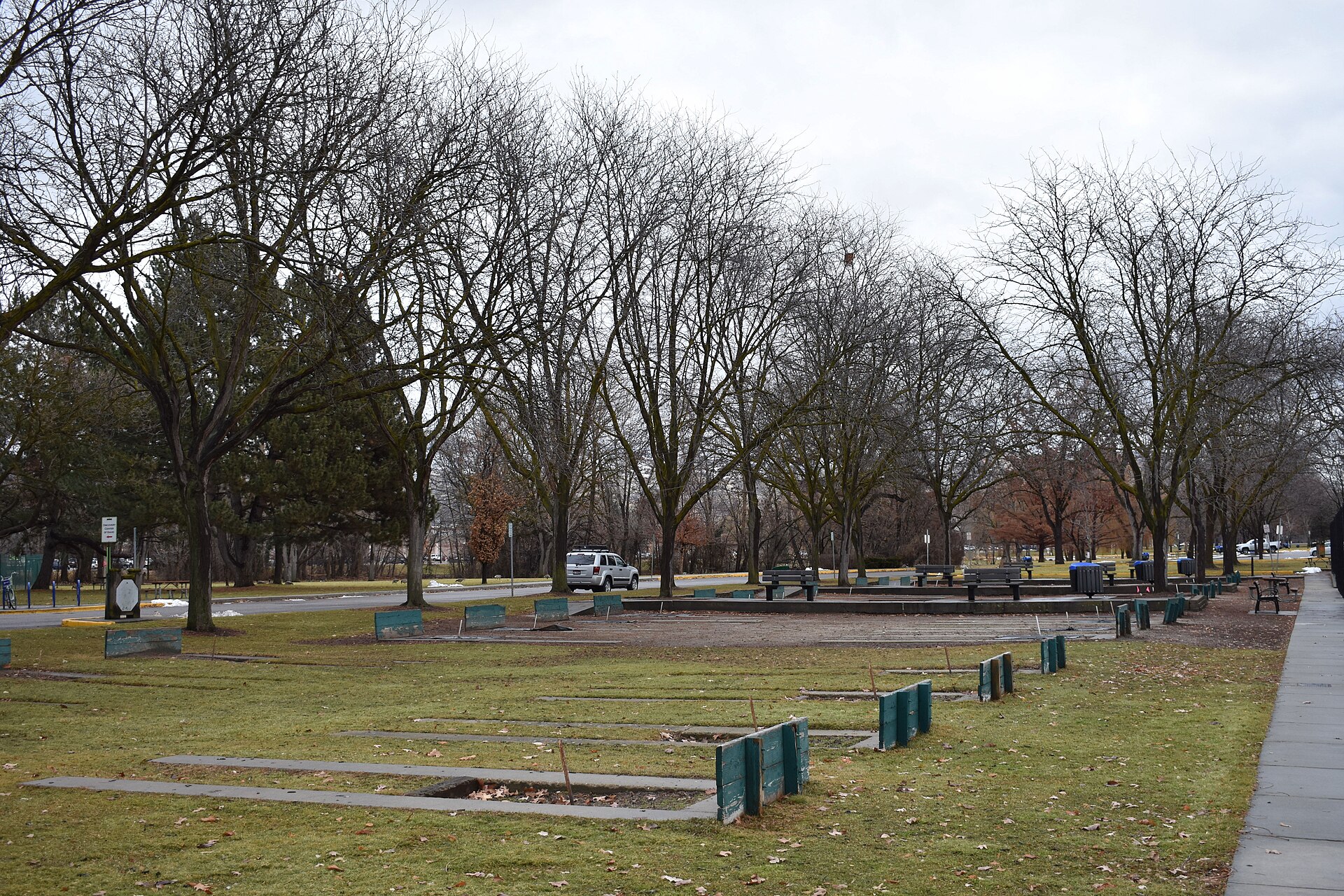
.jpg)
What else is in the park besides the museums?
The park’s open space carries as much of its identity as the buildings do. Key features, per the City of Boise Parks and Recreation department:
- A public rose garden, tended in part by the Boise Rose Society and recognized as an official test garden by the American Rose Society, with plantings that peak through summer.
- The Gene Harris Bandshell, an outdoor amphitheater named for the Boise-raised jazz pianist, used for concerts and community events through the warmer months.
- A lagoon with paddle boats available seasonally, along with a duck pond that has long been one of the park’s most-used features by families.
- Playgrounds, picnic shelters, and open lawns that host informal gatherings, sports, and city-run programming across the year.
None of these carry fixed hours worth printing here — paddle boat operation in particular is seasonal and weather-dependent, so the City of Boise’s parks site is the source to check before planning around it.
How does the park connect to the Greenbelt?
Julia Davis Park sits directly on the Boise River Greenbelt, the paved multi-use path that runs the length of the river through the city. For a walker or cyclist moving along the Greenbelt from downtown, the park is one of the first major green spaces encountered heading east, and it links directly to the university campus across the river and to the older residential streets of the depot bench to the south. Anyone building a downtown walking day should expect the park to sit near the middle of the route; see a suggested walking route through downtown Boise for how it fits alongside other landmarks.
Is the Boise Depot part of the park?
No — the Boise Depot, a landmark train station listed on the National Register of Historic Places, sits on higher ground above the park, reached by a set of formal terraced gardens known as the Platt Gardens. The depot and its grounds are administered separately from Julia Davis Park, though the two are connected by sightline and by a short walk, and many visitors treat them as a single outing. Details on the depot itself are covered separately in this site’s guide to the Boise Train Depot and its gardens.
What is the Anne Frank memorial’s relationship to the park?
The Anne Frank Human Rights Memorial sits along the Greenbelt corridor adjacent to Julia Davis Park, close enough that it is often visited in the same walk. It is a distinct site with its own memorial garden and inscriptions rather than a feature inside the park’s own boundary — see this site’s separate coverage of the memorial for what it holds and who maintains it.
How do Boise residents actually use this park, versus visitors?
For residents, Julia Davis Park functions less as a single destination and more as connective tissue — a lunch spot for people working downtown, a route between the Greenbelt and the Boise State campus, a venue for city-run summer concerts at the bandshell, and a default answer to “somewhere with shade and a playground” for anyone with young children. It shows up regularly in this site’s broader look at what living in Boise is actually like and in the Parks & Foothills archive.
Visitors tend to treat it as a cluster of things to see in sequence — a museum, then the zoo, then a walk along the river — and it works reasonably well that way, since the whole complex sits within easy walking distance of downtown hotels and the Basque Block. Families planning a day around it may find this site’s guide to a day in Boise with children useful, since the zoo, the Discovery Center and the duck pond are frequently combined into one outing.
Practical notes worth knowing before visiting
Each institution inside the park — the art museum, the state museum, the zoo, the science center — sets its own hours, closure days and admission charges, and these change often enough that this site does not print them here. The City of Boise’s parks department, the Idaho State Historical Society, Boise Art Museum and Zoo Boise each maintain their own current information, and that is the source to check directly before a visit.
Parking around the park is limited and shared with downtown traffic; for a sense of how that works more broadly, see this site’s guide to downtown Boise parking, or consider approaching on foot or by bicycle via the Greenbelt, covered in the Getting Around archive.
Access Boise is an independent guide written from published, checkable sources. We have not visited the places described here and we do not publish personal recommendations or invented ‘local favourites’ — where something is singled out as notable, we say who says so. Opening times, fares, closures and prices change at short notice, so treat everything here as a starting point and confirm with the museum, operator or venue directly before building a day around it. We give no advice on visas, insurance, health or safety; use your own government’s official guidance for those.
Featured image: Photo by Tamanoeconomico, source, CC BY-SA 4.0
.jpg)