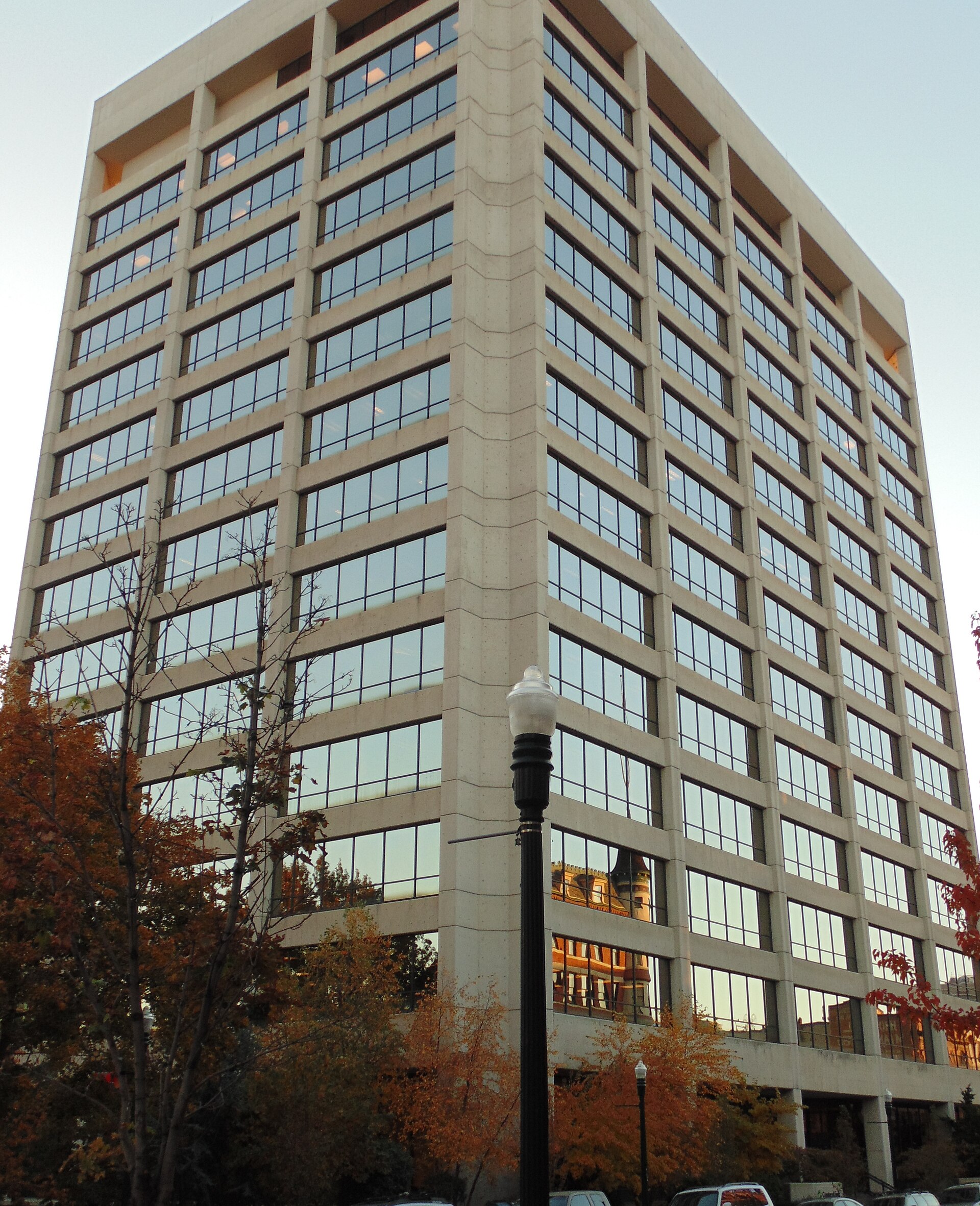
A Boise morning on the Greenbelt is a walk, run, or ride along the paved path that follows the Boise River through the city — flat, shaded, and free to use at any hour. Afterward, the path’s own stops (the Depot, the Old Penitentiary grounds, the Botanical Garden) give the day a natural second half without needing a car.
What Is the Greenbelt, Exactly?
The Boise River Greenbelt is a paved, multi-use path maintained by the City of Boise’s Parks and Recreation department, running along both banks of the Boise River for roughly 25 miles across the city. It is open to pedestrians and cyclists, has no admission fee, and does not close on a schedule the way a park with gates would.
The city’s own description frames it as a connective spine rather than a single destination — it links parks, neighborhoods, and a few of the city’s largest cultural sites end to end. That framing matters for planning a morning: the Greenbelt itself is the route, not the stop.
Where Does a Morning on It Actually Start?
Most guides to downtown Boise point to the stretch near Ann Morrison Park or Julia Davis Park as the easiest access point, since both sit within walking distance of downtown hotels and the Boise State University campus. From either, the path runs in both directions along the river.
There’s no single “start” the city designates — access points exist at regular intervals, with parking near several of the larger parks. A reader without a car can reach the downtown stretch on foot; details on getting around without one are covered in Do You Need a Car in Boise, Honestly?.
How Long Does a Morning Stretch Take?
A walking pace covers roughly 3 miles an hour; a bicycle covers considerably more ground in the same time. A two-to-three-hour morning, at a walking pace, comfortably covers the central downtown section and back — enough to pass Julia Davis Park, cross the river at a footbridge, and return on the opposite bank.
Cycling opens up more of the path in the same window. The city’s cycling infrastructure and how the Greenbelt fits into it is covered directly in How Good Is Cycling in Boise?. Bike-share options for a single morning, rather than owning a bike, are outlined in Boise’s E-Scooter and Bike-Share Options, Explained.
What Does the Greenbelt Connect To?
This is where the “morning” starts to have shape. Moving east from downtown along the river, the path passes or sits close to several sites that are notable enough to be the reason someone planned the walk in the first place:
- Julia Davis Park — the city’s oldest park, and the site of several of Boise’s museums, sitting directly on the Greenbelt.
- The Boise Depot — a Mission Revival-style former railway station completed in 1925, now a city-owned event and gathering space overlooking Platt Gardens, reachable via a spur off the Greenbelt. Its architecture and history are covered in Boise Depot: History and Architecture.
- Ann Morrison Park — a large riverside park on the west side of downtown, connected to Julia Davis Park by a Greenbelt footbridge.
Farther east, the path approaches the grounds shared by the Old Idaho Penitentiary and the Idaho Botanical Garden — both worth treating as a deliberate destination rather than a passing stop, discussed below.

What Comes After a Morning on the Water?
A morning on the Greenbelt naturally ends near one of a small number of substantial sites, and each gives the rest of the day a different character.
The Old Idaho Penitentiary, in operation from 1872 to 1973, is listed on the National Register of Historic Places and is now run as a historic site by the Idaho State Historical Society, which publishes visiting details on its own site. It sits on the same grounds as the Idaho Botanical Garden, whose own materials describe the garden as occupying the former penitentiary’s outer grounds — a useful pairing, since one is indoors-adjacent stone-and-steel history and the other is themed plant collections and seasonal displays. Both are covered in Old Idaho Penitentiary: History and Visiting and Idaho Botanical Garden on the Old Penitentiary Grounds.
From the same eastern end of the Greenbelt, Table Rock rises above the penitentiary grounds as a foothill landmark with a marked trail to the top, described in What Is Table Rock in Boise? — a reasonable afternoon add for a reader who has energy left after the flat morning walk.
For a reader who prefers to stay near the water and finish indoors, Julia Davis Park’s cluster of museums is the more direct option, and several are addressed together in the site’s Museums & Galleries archive.
Where Does the Greenbelt Fit for Someone Who Lives Here?
For residents, the Greenbelt functions less as a morning activity and more as infrastructure — a car-free way to move between the Bench, downtown, the East End, and Garden City that happens to run beside a river. Whether it holds up as an actual commuting route, and where it gets crowded at rush hour, is covered specifically in Can You Use the Boise Greenbelt to Commute?.
That distinction — tourist loop versus daily route — is worth keeping in mind. A visitor walking it once in the morning experiences an unbroken, scenic path. A commuter using it twice a day experiences shared space with cyclists, dog walkers, and runners at markedly different speeds, and plans around that.
What Changes by Season?
The Greenbelt is usable year-round, but conditions shift more than a first-time visitor might expect. Boise’s dry air and elevation affect how a summer morning walk actually feels, detailed in Boise’s Elevation and Dry Air: What to Actually Expect, and summer heat itself is addressed in What Is a Boise Summer Actually Like? — worth reading before assuming an early start avoids the heat entirely.
Winter changes the calculation differently: ice on shaded sections, shorter daylight, and a different crowd pattern, covered in What Is a Boise Winter Actually Like?. None of this closes the path — the city does not gate it seasonally — but it changes what “morning” means practically.
Does This Fit Into a Longer Boise Itinerary?
A Greenbelt morning followed by the penitentiary grounds or the Depot is a reasonable half-day, and slots naturally into a broader first visit. How that fits alongside downtown landmarks and a museum stop is laid out in How to Spend Two Days in Boise and, for a single tight day, What Can You See in Boise in One Day?. Both treat the river path as one component of a day rather than the whole of it — which, given how the Greenbelt is actually built and used, is the right way to plan around it.
Access Boise is an independent guide written from published, checkable sources. We have not visited the places described here and we do not publish personal recommendations or invented ‘local favourites’ — where something is singled out as notable, we say who says so. Opening times, fares, closures and prices change at short notice, so treat everything here as a starting point and confirm with the museum, operator or venue directly before building a day around it. We give no advice on visas, insurance, health or safety; use your own government’s official guidance for those.
Featured image: Photo by Lordchadwick79, source, CC BY-SA 3.0
