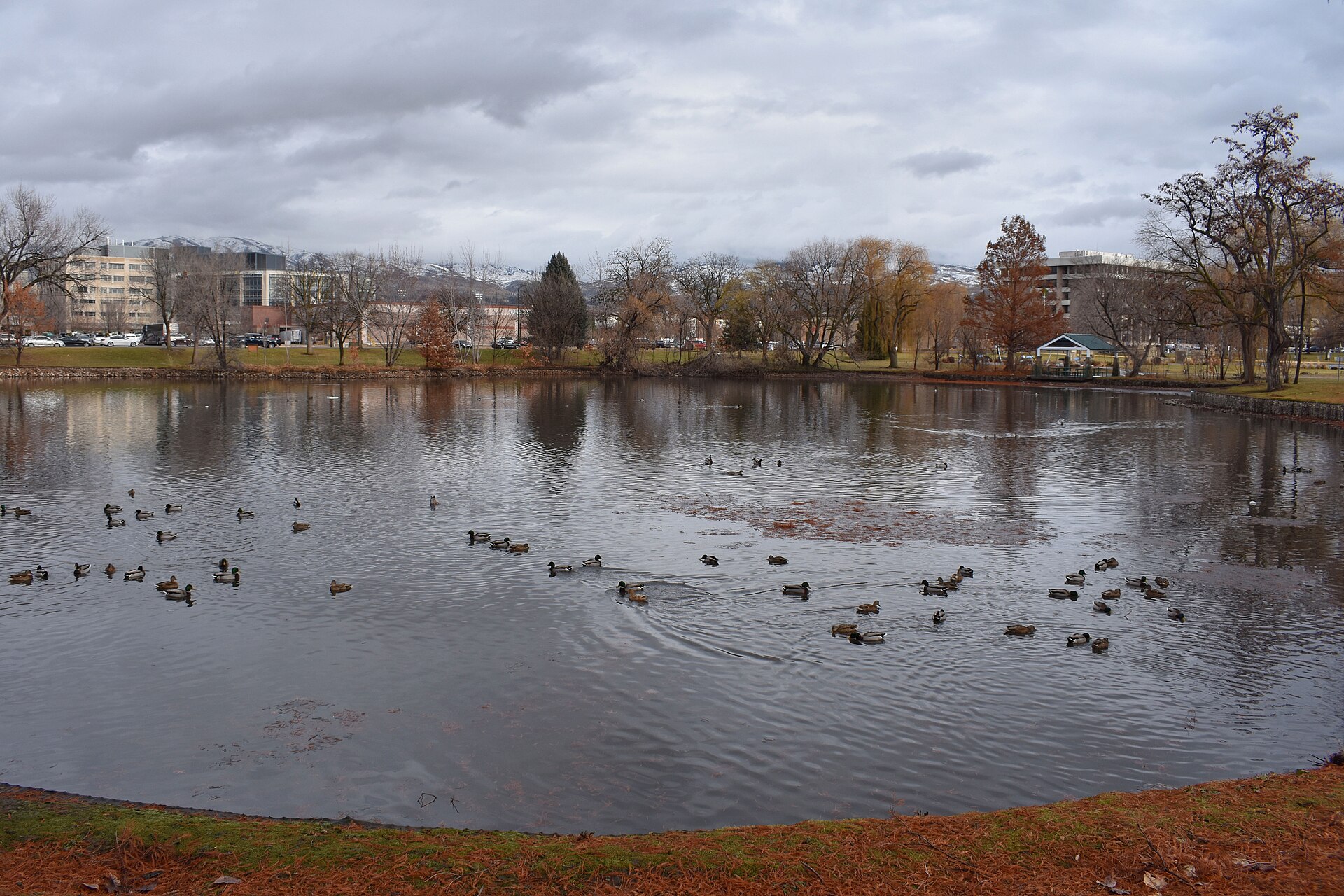
Barber Park is a county-run park at the southeast edge of Boise where the Boise River Greenbelt begins its formal route and where the seasonal river float launches. It has a boat ramp, a large dog park, disc golf, and picnic ground, but its real function is as the put-in point that everyone floating the river passes through first.
What is Barber Park?
Barber Park is owned and operated by Ada County, not the city of Boise, which is a distinction worth knowing because it explains why float permits and shuttle service there are handled by the county rather than city parks staff. It sits on the Boise River in the Barber Valley area, at the point where the river enters the more developed stretch of the valley floor.
The park combines a few functions that don’t obviously belong together: a river access point with a boat ramp, one of the region’s larger off-leash dog parks, a disc golf course, and open picnic space. What ties them together is the river itself and the road access that makes the site easy to reach even though it sits well outside downtown.
Why does everyone start there?
Barber Park is the standard put-in for floating the Boise River, and Ada County Parks and Waterways treats it as such — it’s where the county’s own float information points people to begin. From Barber Park, the river runs downstream through several miles of the city, past the Boise Whitewater Park and on toward take-out points near Ann Morrison Park, and the whole route can be followed on our guide to how the Boise River float actually works.
The reason it functions as the starting line rather than any other access point along the river is straightforward: it has parking, a formal boat ramp, restrooms, and — during the float season — a shuttle service that returns people to their cars. Fewer informal access points along the Greenbelt offer all of that together, which is why the float has effectively organized itself around this one site rather than several.
Where is it, and how do people get there?
Barber Park sits in southeast Boise, in the Barber Valley area near Eckert Road, several miles upstream (east) of downtown along the river. It is not within easy walking distance of the city center, so most people arrive by car, and parking fills during peak summer float days.
The park also marks one end of the paved Boise River Greenbelt, the multi-use path that follows the river through the city. Cyclists and walkers using the Greenbelt’s eastern reaches will pass through or near Barber Park, making it a practical waypoint even for people with no interest in floating.
Because it sits at the edge of town, getting there without a car is harder than reaching most Boise parks. Readers weighing that question generally do better consulting our broader look at whether you need a car in Boise and how far apart things actually are in the city before planning a trip out to Barber Park on transit alone.
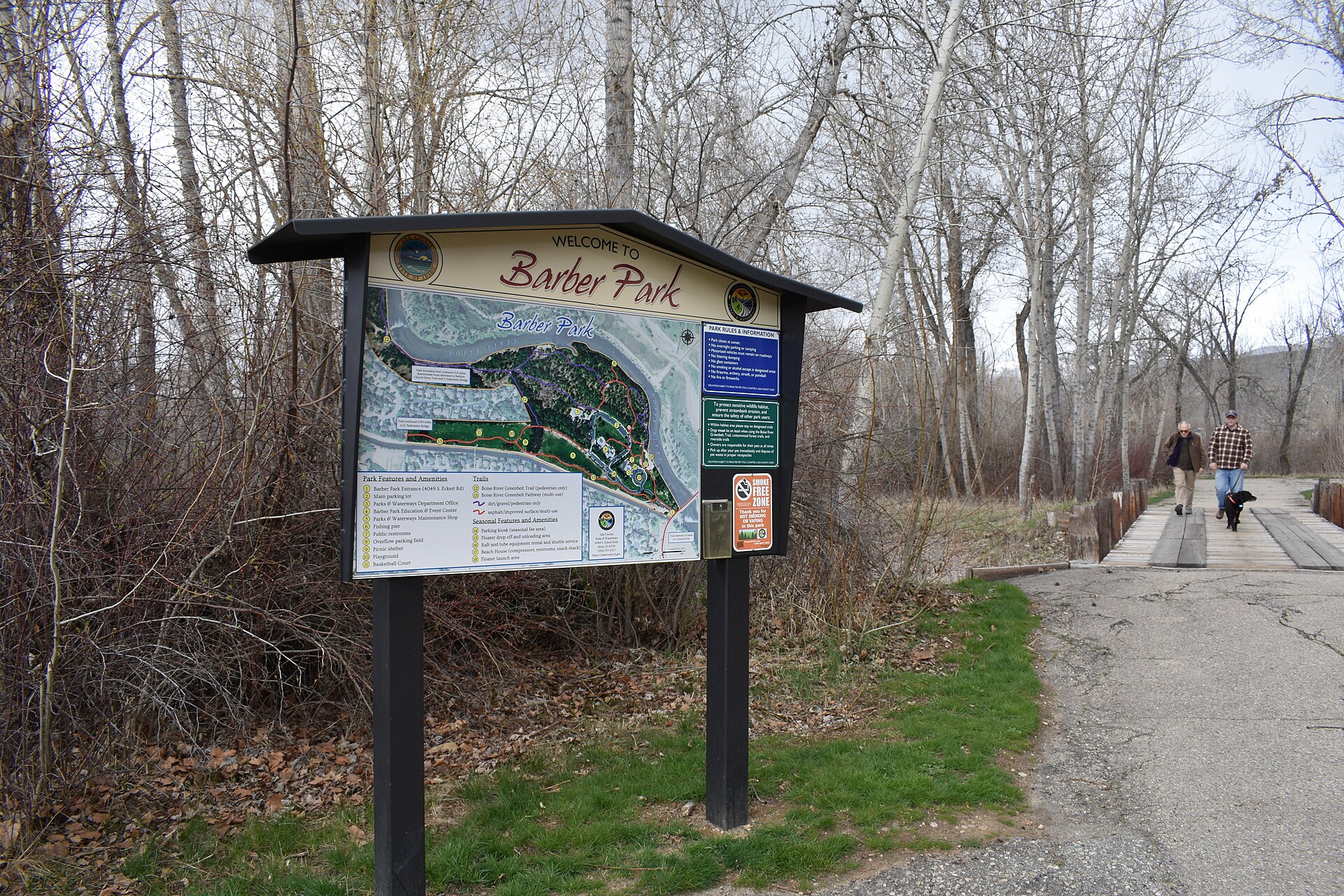

What else is at Barber Park?
Outside of float season, Barber Park functions as a fairly ordinary large county park, and its non-river amenities get regular local use year-round.
- Dog park: a large fenced off-leash area, one of the bigger ones in the Treasure Valley, with separate sections and river access for dogs.
- Disc golf course: a full course laid out across the park grounds.
- Picnic and open space: shaded and open grass areas available for groups, with shelters that can typically be reserved through the county.
- Boat ramp: a formal ramp used for river access outside of the tubing season as well as during it.
None of this is unique to Barber Park within the Boise park system, but the combination — river access plus a major dog park plus disc golf — is what gives it steady local traffic even in months when nobody is floating.
How does the float actually work from Barber Park?
The short version: people rent or bring their own tubes or rafts, put in at Barber Park’s ramp, float downstream through the city, and take out somewhere near Ann Morrison Park or further downstream, then use a shuttle to get back to their car or starting point. Ada County Parks and Waterways is the authority on current permit requirements, shuttle operation, and seasonal river flow, and its own site is the place to confirm all of that before a trip, since flow rates and shuttle schedules change year to year and even week to week depending on snowmelt releases from the dams upstream.
The float route itself, what’s along it, and where people typically take out are covered in full in our separate explainer on how the Boise River float works. That piece covers the water park section, the takeout options, and what the city and county each control along the way — Barber Park is simply where the whole thing begins.
Two downstream landmarks are worth knowing by name if the float is on the agenda. The Boise Whitewater Park is a constructed wave feature partway down the route, built for surfing and kayaking rather than tubing, and floaters need to know how to navigate around or through it depending on the water level. Further along, Ann Morrison Park is one of the common take-out areas, and its size and river frontage are part of why it functions that way.
Is Barber Park only useful in summer?
No — the float itself is a warm-weather activity tied to a specific seasonal window that Ada County Parks and Waterways sets and adjusts based on water flow, but the park’s other functions run year-round. The dog park, disc golf course, and Greenbelt access don’t depend on the season in the way the float does.
Summer in Boise brings high heat as well as the float crowds, and anyone planning a river day at Barber Park in July or August should look at what that means practically in our guide to what Boise summer heat is actually like. Outside the float window, the park reverts to a quieter, more local rhythm — dog walkers, disc golfers, and Greenbelt traffic rather than tubes and shuttle buses.
What does Barber Park mean for the area around it?
Barber Park sits within the broader Barber Valley and Harris Ranch area of southeast Boise, a section of the city that has grown substantially in recent decades as new residential development has filled in around the river corridor. The park predates most of that growth and functions as one of the area’s main public open spaces, in addition to its role for the float.
Readers interested in how this part of the city developed and what it looks like now can find more detail in our piece on Harris Ranch and Barber Valley, which covers the neighborhood’s growth separately from the park’s recreational role.
For a wider view of how Barber Park fits alongside the city’s other river parks and open spaces, our Parks & Foothills section and Getting Around archive both cover related ground — one on what the parks themselves offer, the other on the practical business of reaching them.
Access Boise is an independent guide written from published, checkable sources. We have not visited the places described here and we do not publish personal recommendations or invented ‘local favourites’ — where something is singled out as notable, we say who says so. Opening times, fares, closures and prices change at short notice, so treat everything here as a starting point and confirm with the museum, operator or venue directly before building a day around it. We give no advice on visas, insurance, health or safety; use your own government’s official guidance for those.
Featured image: Photo by Tamanoeconomico, source, CC BY-SA 4.0
.jpg)