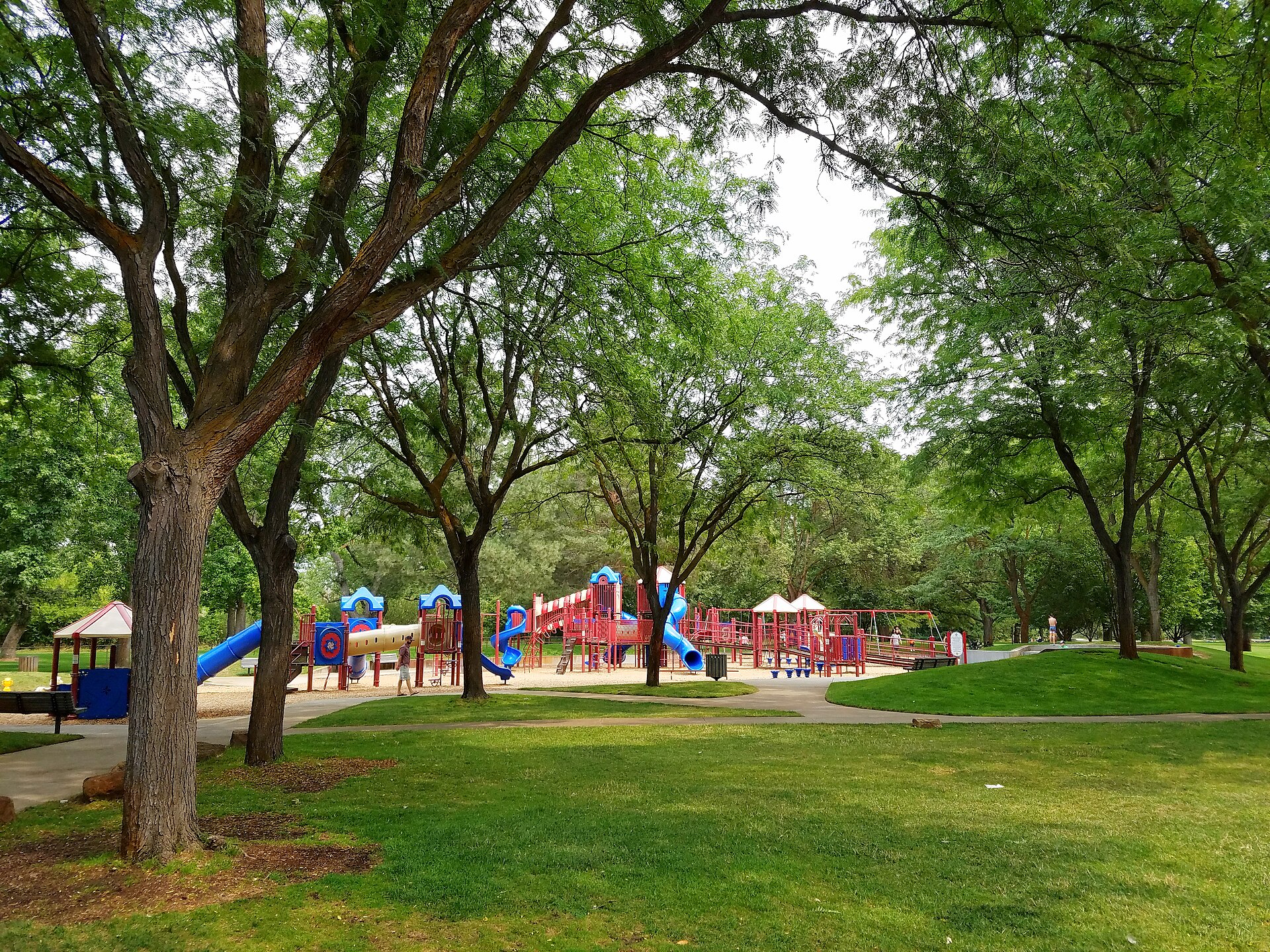
Being outdoors in Boise means adjusting to a dry, high-desert climate with genuine seasons: cold, often inversion-bound winters; a short, fast spring; long, intensely hot summers; and a clear, mild autumn. The foothills trail system and the Boise River stay usable most of the year, but how, and how comfortably, changes month to month.
How does Boise’s climate actually shape outdoor life?
Boise sits in a high desert valley at roughly 2,700 feet, between the Snake River Plain and the foothills of the Boise Mountains. That geography, more than anything else, sets the terms for outdoor life. The National Weather Service office covering Boise records four distinct seasons with low annual precipitation and low humidity in every one of them — a pattern that residents describe less as “mild” and more as “extreme, but dry with it.”
Dry air changes how heat and cold both feel, and it is a large part of why the same trail can be pleasant in November and closed by mud rules in March. The mechanics of that dryness are covered in more detail on this site’s own explainer on Boise’s elevation and dry air.
What is winter like outdoors in Boise?
Winter in Boise is cold rather than harsh by Rocky Mountain standards, but it is shaped by temperature inversions that trap cold air and haze in the valley for days at a time. Foothills trails close seasonally when wet, to prevent erosion, and reopen once conditions dry.
The city’s own Ridge to Rivers programme, which manages the foothills trail network, publishes seasonal closures rather than fixed dates, because the trigger is soil moisture, not the calendar. That system is explained in full on this site’s account of when foothills trails close, and why, and in the broader description of the Ridge to Rivers trail system itself.
Winter is also when Bogus Basin, the ski area roughly a half-hour drive above the city, is at its busiest. Its own site describes lift-served skiing and snowboarding as well as a groomed Nordic network; this site covers what changes there once the snow is gone in its piece on Bogus Basin. For a fuller picture of the season down in the valley, see what Boise winter is actually like.
What changes in spring?
Spring in Boise is short and defined by mud, not cold. Snowmelt and rain keep foothills soil soft into April in most years, which is the practical reason trails stay closed longer than the weather alone would suggest.
The Boise River, meanwhile, is running high with runoff through this period, well before it is usable for the floating that the city becomes known for in summer. Flow is managed through Lucky Peak Dam upstream, and levels change accordingly from week to week.
.jpg)
What is summer like, and how hot does it get?
Boise summers are long, dry, and reliably hot, with the National Weather Service routinely recording stretches of triple-digit Fahrenheit heat in July and August. There is little humidity to go with it, which changes how the heat is experienced but does not make it less real.
This is the season the outdoor infrastructure is really built for. The Boise River Greenbelt, a paved multi-use path running along both banks of the river through the city, sees its heaviest use from early morning through to sunset, when temperatures are more forgiving. Its full extent and what links to it are described in this site’s guide to the Boise River Greenbelt, end to end.
Floating the river itself — a popular summer activity where people put in upstream and drift down through the city — depends on managed releases from Lucky Peak Dam and runs on a fixed seasonal window, not on the weather alone. How that actually works, including where people start and finish, is set out in this site’s explanation of floating the Boise River.
Summer is also the season most affected by wildfire smoke drifting into the valley from fires burning elsewhere in the Northwest, a pattern covered separately on this site rather than repeated here. For a fuller account of the heat itself, see what Boise summer heat is actually like.
What does fall bring?
Fall is generally regarded locally as the most comfortable season for being outdoors in Boise: daytime temperatures moderate, the air clears once summer’s smoke season ends, and the foothills trails are typically at their driest and most reliably open. It is a short window before winter’s wetter, colder pattern sets back in, and it tends to draw hikers and cyclists back to trails that were too hot to use through midsummer.
How does the foothills trail system work across the year?
The Ridge to Rivers system links more than a hundred miles of trail across city, state, and federal land directly above Boise’s northern neighborhoods, according to the programme’s own published network description. Trailheads sit within a short drive, or in several cases a walk, of residential streets, which is part of why foothills access functions as everyday infrastructure rather than a special outing.
- Trail status and seasonal closures are published by the city’s Ridge to Rivers programme rather than fixed on a calendar.
- Individual trailheads and reserves, including Hulls Gulch and the routes up Table Rock, have their own access points and difficulty levels.
- Wildlife encountered on these trails — deer, raptors, and occasionally rattlesnakes in warmer months — is described by Idaho Fish and Game, whose guidance is summarised in this site’s piece on what lives in the Boise foothills.
For the archive of individual parks, reserves, and trail write-ups this covers, see the Parks & Foothills section.
What about the river, off-season?
Outside the summer float window, the Boise River still functions as a corridor for walking, running, and cycling via the Greenbelt, and as a fishing river managed under Idaho Fish and Game regulations year-round. Parks along its length, including the put-in point at Barber Park, operate differently by season; what that park is and why floats typically start there is covered in this site’s account of Barber Park.
What should residents plan for across a full year?
For someone living in Boise rather than visiting, the outdoor calendar becomes a set of practical adjustments rather than a list of activities:
- Layering for a dry climate that swings widely between day and night temperatures, discussed in this site’s guide to how to dress for Boise weather in any season.
- Checking Ridge to Rivers trail status directly before a foothills outing, since closures are condition-based, not scheduled.
- Planning around river flow releases in summer, since float conditions change with dam management, not just weather.
- Expecting reduced outdoor air quality on some summer days from regional wildfire smoke, independent of anything happening locally.
The broader shape of daily life in the city, including how outdoor access fits around work, school, and neighborhood, is covered in the Living in Boise hub. For planning a specific outdoor day rather than understanding the year as a whole, the Boise Practical hub covers itineraries built around the foothills, the river, and the seasons described here.
Access Boise is an independent guide written from published, checkable sources. We have not visited the places described here and we do not publish personal recommendations or invented ‘local favourites’ — where something is singled out as notable, we say who says so. Opening times, fares, closures and prices change at short notice, so treat everything here as a starting point and confirm with the museum, operator or venue directly before building a day around it. We give no advice on visas, insurance, health or safety; use your own government’s official guidance for those.
Featured image: Photo by Tamanoeconomico, source, CC BY-SA 4.0
.jpg)