The Boise foothills hold mule deer, coyotes, ground squirrels, magpies, a resident population of raptors, and, less often, mountain lions, black bears and rattlesnakes. Idaho Fish and Game documents all of these species in the area; none require special caution beyond ordinary trail sense — keeping distance, keeping dogs leashed where required, and watching the ground in warm months.
What kind of landscape are the foothills, ecologically?
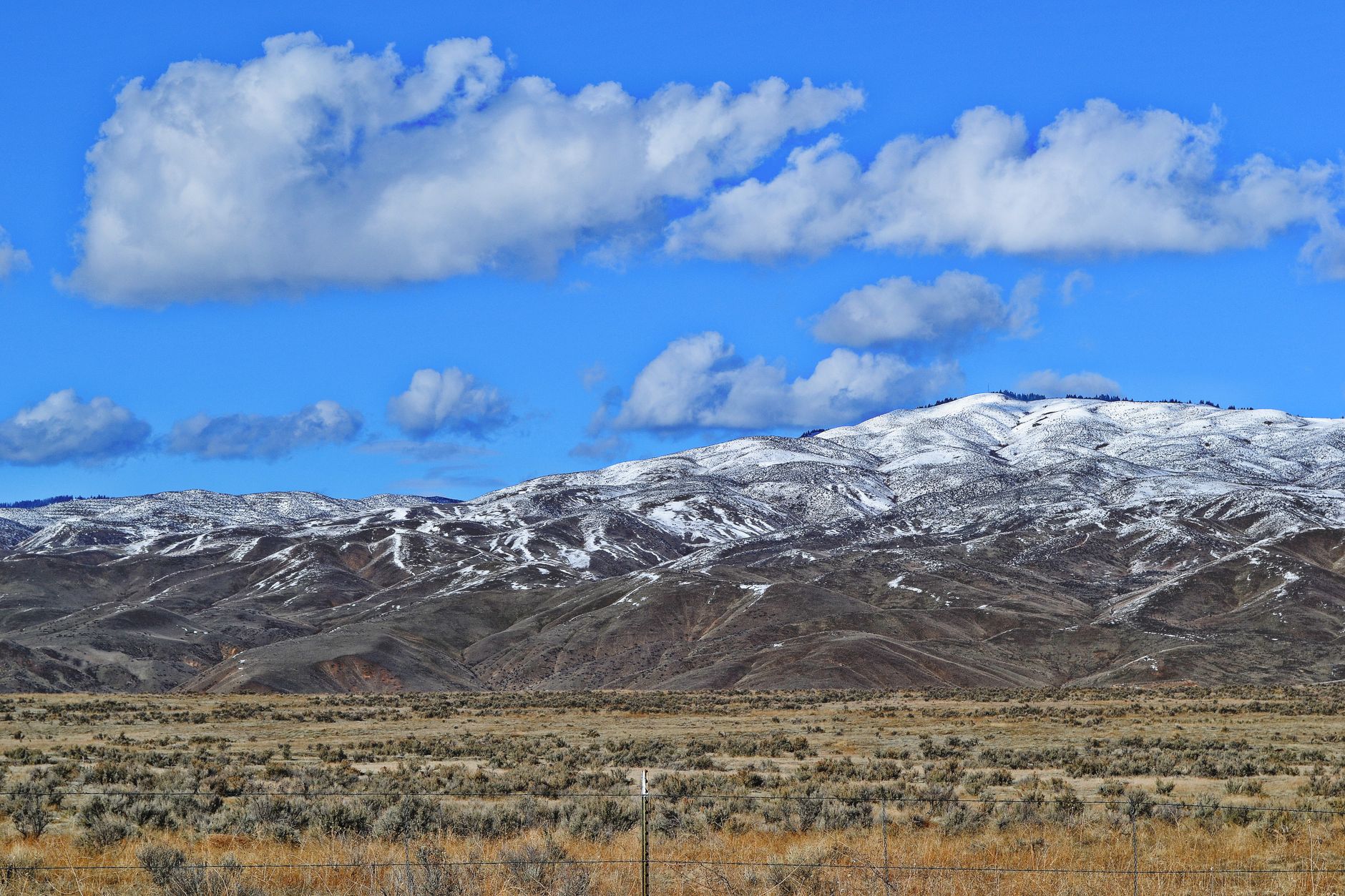
The foothills are a band of sagebrush-steppe and dry grassland rising north of the city toward the Boise National Forest and Bogus Basin. This is not forest for most of its elevation — it is open, exposed hillside cut by drainages like Hulls Gulch, with pockets of riparian growth along creeks. The Ridge to Rivers trail system, a joint city, county and Forest Service programme, manages roughly 190 miles of trail across this terrain and is the primary public source on what the land actually supports.
That open, dry structure is exactly why the wildlife list looks the way it does. Sagebrush-steppe favors ground-nesting birds, burrowing rodents and the predators that follow them, rather than the deep-woods species visitors might expect from a mountain city.
What animals are most likely to be seen on a foothills hike?
Mule deer are the animal most consistently reported in the foothills, including within city limits in the North End and East End where hillsides meet residential streets. Idaho Fish and Game’s own materials note that mule deer move seasonally between higher summer range and lower winter range, which is why deer are more visible near the base of the foothills in the colder months.
- Mule deer, often in small groups, especially at dawn and dusk
- Piute ground squirrels, active on open slopes in spring and early summer before going dormant
- Black-billed magpies, a common and vocal presence year-round
- California quail, moving in coveys through brush
- Yellow-bellied marmots on rockier sections near Table Rock
The Table Rock Trail and the Hulls Gulch Reserve are two of the better-documented sections for this kind of everyday wildlife, simply because they see the heaviest recreational use and the most reporting.
What about predators — coyotes, mountain lions, bears?
Coyotes are common and are the predator most likely to be seen or heard, particularly around dusk. Idaho Fish and Game treats coyotes as a normal part of the foothills ecosystem rather than a special hazard, and standard guidance is the same as in any western landscape: do not feed them, keep small pets attended, and give sighted animals distance.
Mountain lions and black bears are present in the broader Boise National Forest and occasionally range into the upper foothills, but sightings within the more heavily used trail network are uncommon and typically make local news when they occur. Idaho Fish and Game publishes species-specific safety guidance for both animals on its own site, and that guidance — not general travel advice — is the source to follow if planning time in the higher, less-trafficked reaches of the foothills.
Are there rattlesnakes in the Boise foothills?
Yes. The western rattlesnake is native to the sagebrush terrain around Boise and is documented by Idaho Fish and Game as present throughout the foothills, particularly on rocky, sun-exposed slopes in the warmer months. Encounters are most likely from late spring through early fall, when snakes are active and trails cross open, rocky ground.
Standard precautions published by wildlife agencies in the region apply here: stay on established trail, watch where hands and feet land when scrambling over rock, and give any snake a wide, unhurried berth rather than attempting to move it. Rattlesnakes are not aggressive by default and most encounters end with the snake retreating.
What raptors and birds define the foothills?
The foothills and the broader lower Boise River valley sit within a region known nationally for birds of prey — the Morley Nelson Snake River Birds of Prey National Conservation Area, managed by the Bureau of Land Management, lies to the south along the Snake River canyon and is one of the densest raptor nesting areas in North America. The foothills themselves, closer to the city, host red-tailed hawks, kestrels, and turkey vultures on a regular basis, with golden eagles and other raptors passing through seasonally.
Ground-nesting birds like meadowlarks and quail are also part of why some sections of trail carry seasonal restrictions, discussed below.
What should hikers watch for that isn’t a large animal?
Ticks are present in foothills brush, particularly in spring, and standard practice — checking clothing and skin after a hike — applies as it would on any dry-grassland trail in the western United States. Idaho’s public health authorities publish current guidance on tick-borne illness in the state and are the correct source to check rather than general travel advice.
Poison ivy and similar irritant plants occur in some of the moister drainages. None of this requires special preparation beyond what any dry-climate trail calls for — see the site’s own guidance on dressing for Boise weather across seasons for how conditions shift trail by trail and month by month.
How does the trail system relate to wildlife management?
The Ridge to Rivers programme’s own site states that certain trails and trail sections close seasonally to protect winter range for mule deer and elk, typically from December through spring, when animals are under the greatest physiological stress and least able to tolerate disturbance. These closures are published on the programme’s own trail status pages and change year to year depending on conditions, so the specific trails and dates are not fixed — checking the current Ridge to Rivers status page before a winter foothills hike is the reliable approach rather than relying on a fixed list.
This closure structure is also why dog leash rules are stricter on some foothills trails than on the Boise River Greenbelt below — the foothills are managed as much for winter wildlife survival as for recreation, and the two uses are balanced through seasonal rules rather than a blanket policy.
Does wildfire season change what’s out there?
Late summer wildfire activity in the hills above Boise affects both trail access and animal movement, pushing some species toward lower elevations or altering habitat for a season. The city’s own resources on wildfire season near Boise cover how smoke and closures affect foothills recreation more broadly; wildlife behavior during active fire periods is a secondary effect of the same conditions rather than a separate hazard to plan around independently.
What should residents know that a first-time visitor might not ask?
For anyone living near the foothills edge — much of the North End and East End border directly onto Ridge to Rivers trailheads — deer in yards and gardens are a routine, documented part of foothills life rather than a novelty, and Idaho Fish and Game publishes specific guidance on deer-resistant landscaping for exactly this reason. Coyote sightings near residential edges are also normal and reported seasonally by local media without indicating any change in risk.
The practical difference between visiting and living here is mostly one of frequency: a visitor on a single foothills hike is unlikely to see anything beyond deer, ground squirrels and birds, while a longer-term resident using the trail system through multiple seasons will eventually see the fuller range Idaho Fish and Game documents, including the occasional snake, coyote, or — rarely — a lion or bear reported in the surrounding forest.
For the wider context of how the foothills fit into the city’s trail network and its seasonal rhythms, the site’s Parks & Foothills archive and the practical planning hub cover access points, seasonal closures and how the foothills connect to the rest of Boise’s outdoor system.
Access Boise is an independent guide written from published, checkable sources. We have not visited the places described here and we do not publish personal recommendations or invented ‘local favourites’ — where something is singled out as notable, we say who says so. Opening times, fares, closures and prices change at short notice, so treat everything here as a starting point and confirm with the museum, operator or venue directly before building a day around it. We give no advice on visas, insurance, health or safety; use your own government’s official guidance for those.
Featured image: Photo by Thayne Tuason, source, BY-SA