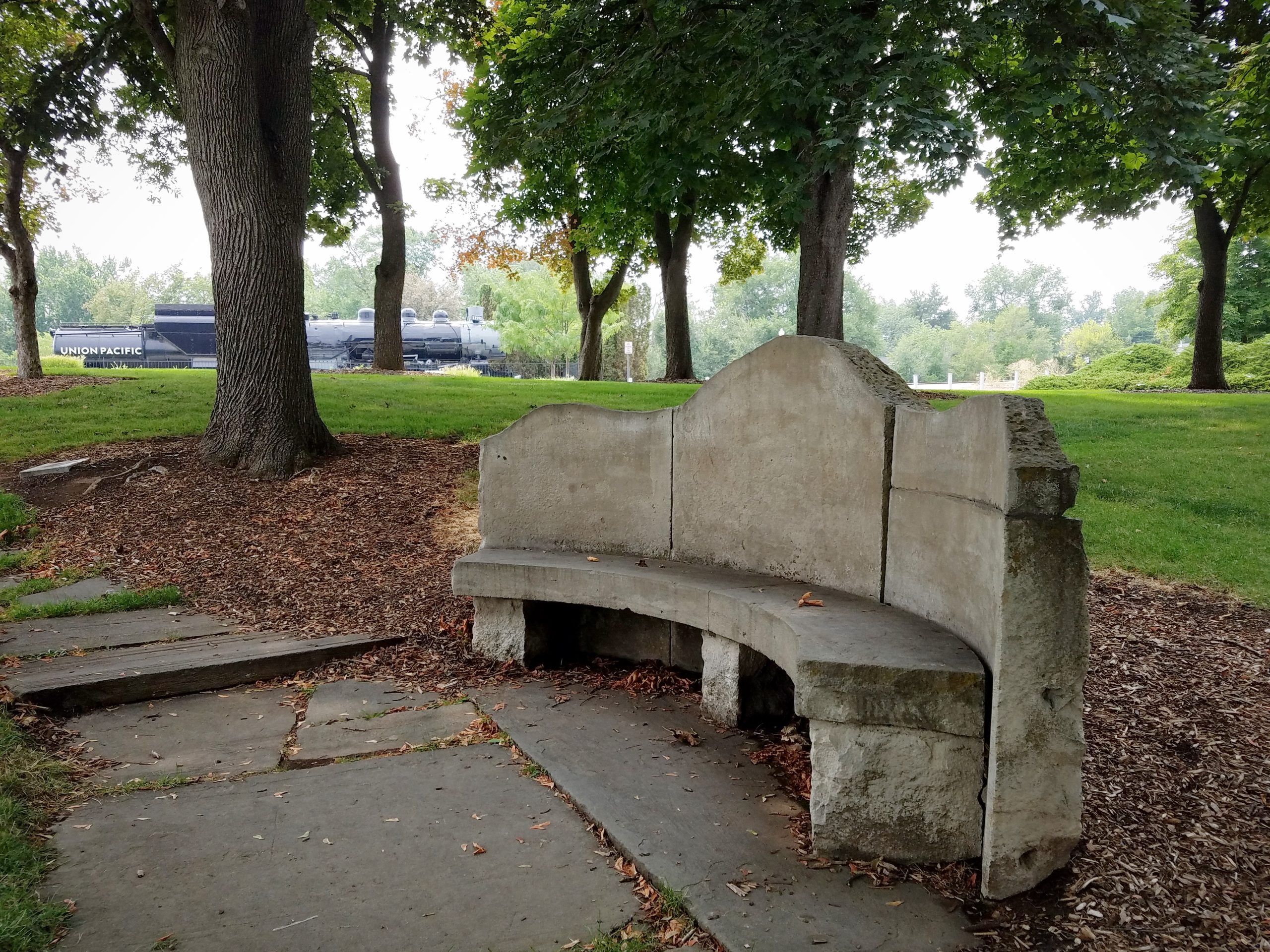
The Depot Bench is a residential neighborhood in Boise that sits on the raised terrace, or “bench,” immediately south of downtown, taking its name from the Boise Depot (also called the Union Pacific Depot), the landmark train station that anchors its northern edge. It is one of the city’s officially recognized neighborhood associations, distinct from the larger geographic term “the Boise Bench.”
What Does “Depot Bench” Actually Refer To?
Depot Bench names both a physical feature and a civic one. Physically, it is a section of the terrace that rises south of the Boise River, one of several stepped benches carved by the river’s ancient, wider course. Civically, the City of Boise’s neighborhood association program lists Depot Bench as one of the recognized associations through which residents organize around planning, zoning, and city communication — a structure the city documents on its Planning and Development Services pages.
The neighborhood is smaller and more specific than “the Boise Bench,” a broader term covering the whole terrace system south of the river. Readers wanting that wider geography should see what the Boise Bench is and why it’s called that.
Why Is It Named for the Depot?
The name is direct: the neighborhood grew up around and takes its identity from the Boise Depot, which opened in 1925 as the passenger station for what was then the Oregon Short Line, a Union Pacific subsidiary. The depot was deliberately sited on high ground south of the river and downtown core, giving it a commanding view back toward the Idaho State Capitol along a sightline still visible today.
That elevated siting is why the surrounding residential streets came to be called Depot Bench — they occupy the same terrace the depot itself sits on, above the flatter downtown grid. For the building’s own history and architecture, see what the Boise Depot is and why it looks the way it does, and for the grounds around it, the Boise Train Depot and Platt Gardens.
How Does Depot Bench Fit Into the City’s Terrace System?
Boise’s south side rises in a series of distinct benches rather than a single uniform slope, a pattern shaped by the Boise River’s past channels cutting successive terraces into the valley floor. Depot Bench occupies part of this terrace closest to downtown and the river, making it one of the more centrally located of the bench neighborhoods rather than one of the outer ones.
This distinguishes it from the Central Bench, a separate, larger district further south and west that developed later as Boise expanded. Readers comparing the two should see what the Central Bench is and where it sits. Depot Bench is generally described as the terrace nearest downtown; Central Bench extends the pattern outward toward the rest of the Bench’s mid-century development.

What Landmarks Sit Within or Near Depot Bench?
Beyond the depot itself, the neighborhood’s boundary area overlaps with land connected to Boise State University and the corridor along the Boise River. Because the depot was a working rail facility, the neighborhood’s identity is tied into the city’s broader rail history — a history that extends beyond the depot building alone. Readers interested in that wider picture should see what remains of Boise’s railroad history today.
The depot’s grounds, including the formal Platt Gardens, function as a public park space open to visitors independent of any train service, and are documented in more detail in the depot’s own article above. The building itself is not a functioning passenger station in the way it once was; its role today is civic and architectural rather than transit-based, a distinction worth understanding before planning a visit.
How Does Depot Bench Function as a Neighborhood Today?
As a City of Boise-recognized neighborhood association, Depot Bench has a formal channel for resident input into zoning, development review, and city planning processes — the same structure used across Boise’s other named neighborhoods. This matters practically for residents: association boundaries determine which public meetings, mailing lists, and comment periods apply to a given address, information the city’s Planning and Development Services department maintains directly.
For anyone relocating to or already living on this side of the river, the practical experience of the neighborhood is shaped by its position: closer to downtown employment and to Boise State than the outer Bench neighborhoods, with the Boise River Greenbelt corridor forming a natural edge to the north. General context on how Boise’s residential geography works, bench by bench, is covered in the site’s guide to what it’s actually like to live in Boise.
How Does It Compare to Neighboring Districts?
Depot Bench borders several other named areas the site covers individually, and distinguishing between them is often the first thing a new resident or a curious visitor needs to sort out. The Vista neighborhood lies to the east along a similarly historic residential corridor; see what the Vista neighbourhood is for that comparison. Downtown Boise itself sits just across the river to the north, and its own boundaries are laid out in what is downtown Boise, and where does it begin and end.
None of these boundaries are rigid property lines in the legal sense; neighborhood association areas in Boise are administrative conveniences drawn by the city, and residents on a shared street sometimes fall into different associations depending on exactly where a boundary was set. Anyone needing a precise, current boundary for a specific address should consult the City of Boise’s own neighborhood association map rather than a general description.
Is Depot Bench a Destination for Visitors?
Depot Bench itself is a residential district, not a sightseeing district, and it is not marketed as one by any city or state tourism body. The reason visitors encounter the name at all is the Boise Depot, which functions as a public landmark and event space independent of the surrounding neighborhood’s residential character.
Visitors planning a stop at the depot and its gardens should treat that as a landmark visit rather than a neighborhood tour, and should confirm current public hours directly through the City of Boise’s own listings for the site, since hours for civic buildings change with staffing and season. Broader planning for a Boise visit, including how districts like this one connect to downtown and the foothills, is covered in the site’s practical guide to getting around and planning a visit. For the wider set of neighborhoods the Bench and river corridor comprise, see the Neighbourhoods archive.
Access Boise is an independent guide written from published, checkable sources. We have not visited the places described here and we do not publish personal recommendations or invented ‘local favourites’ — where something is singled out as notable, we say who says so. Opening times, fares, closures and prices change at short notice, so treat everything here as a starting point and confirm with the museum, operator or venue directly before building a day around it. We give no advice on visas, insurance, health or safety; use your own government’s official guidance for those.
Featured image: Photo by Tamanoeconomico, source, BY-SA