Some links on this page are affiliate links. If you book through one, this site may earn a commission at no extra cost to you. It never changes which option we recommend. This site does not take bookings or reservations itself — you book with the travel company, under its terms, and we are not a party to that booking.
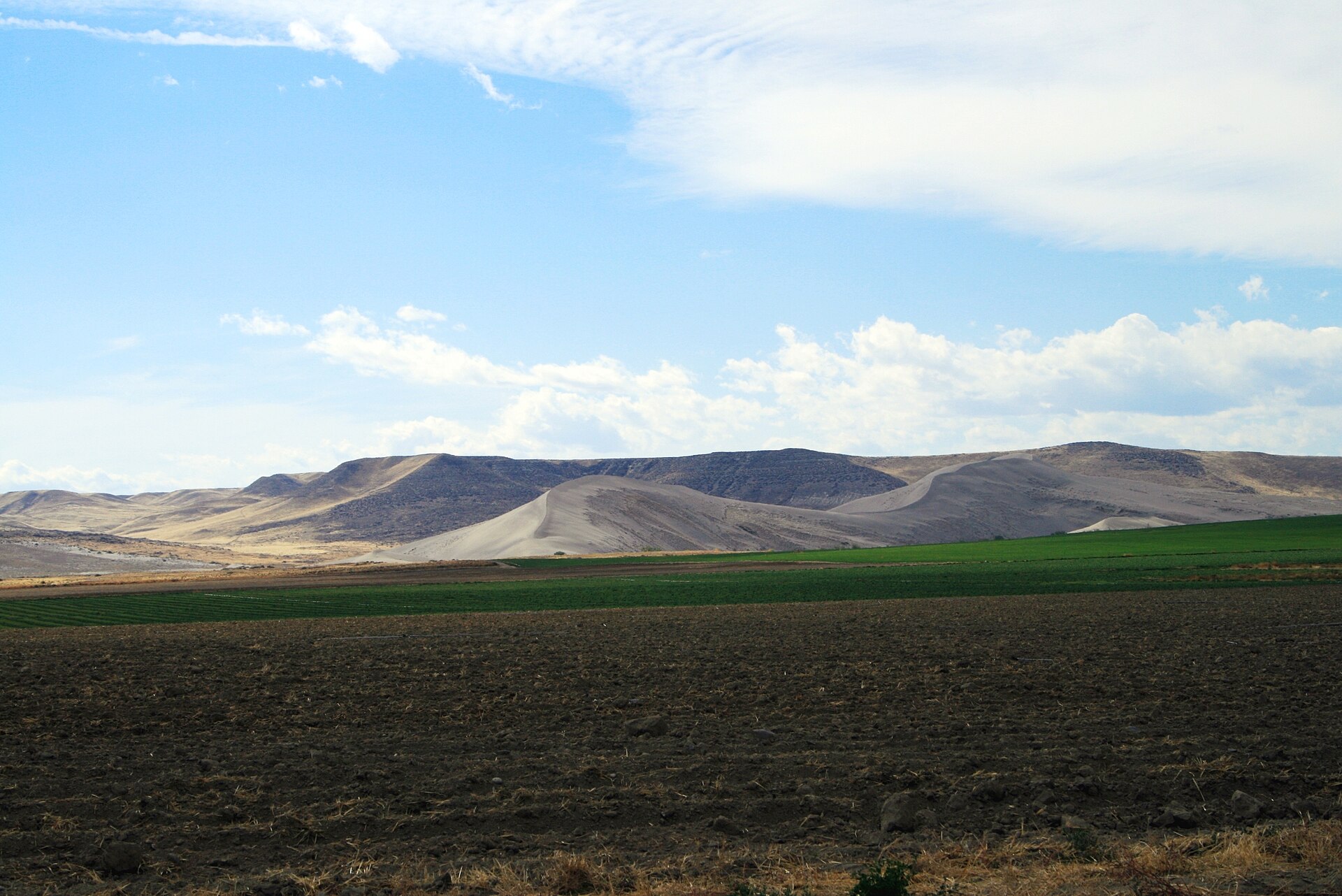
Bruneau Dunes State Park is a desert state park in southwestern Idaho built around what the Idaho Department of Parks and Recreation describes as the tallest single-structure sand dune in North America, rising roughly 470 feet from the desert floor. The park also contains two small lakes, a campground, and a public observatory, and sits about an hour southeast of Boise.
Where is Bruneau Dunes State Park, and how far is it from Boise?
The park lies in Owyhee County near the small community of Bruneau, roughly 65 miles southeast of Boise, off Highway 78 south of Mountain Home. Idaho Department of Parks and Recreation lists it as one of the state’s more remote day-use and camping parks, reachable by car in a little over an hour from downtown Boise with no public transit option covering the route. Anyone comparing it against other regional trips can weigh it alongside the drive to Idaho City or the longer haul north to McCall, both of which start from the same city but head in very different directions and terrain.
With no transit on the route, a visitor’s trip to the dunes starts with a car. Compare Boise rental prices.
How did the dunes actually form?
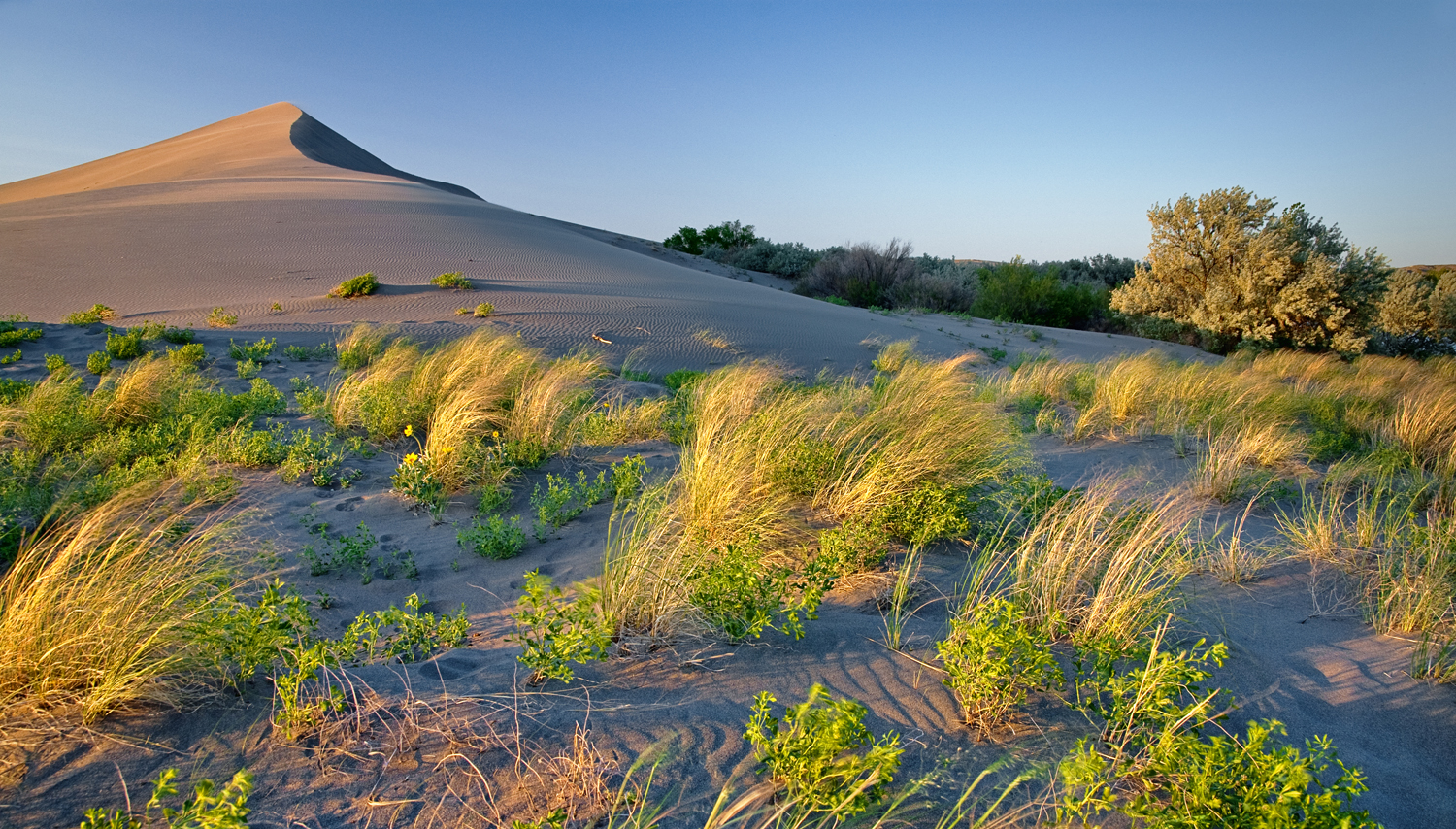
The dunes sit inside a natural bowl formed by an ancient lakebed depression. Idaho Department of Parks and Recreation attributes the dune’s unusual size and stability to a rare set of conditions: sand eroded from the surrounding desert and old lake sediments is carried into the basin by winds from two opposing directions, which cause the dune to grow largely in place rather than migrate across the landscape the way most dune fields do. That is the detail that makes the park geologically notable rather than simply scenic — most large dunes elsewhere in the world travel; this one has stayed roughly where it is for a very long time.
What can you actually do there?
The main activity is climbing the dune itself. There is no maintained trail to the top; visitors walk up the sand directly, and the round trip is a genuine physical undertaking on a loose, shifting surface with little shade. Idaho Department of Parks and Recreation notes that some visitors bring sandboards or old snowboards to ride back down, though the park does not rent equipment on site, so anyone planning to do this needs to bring their own gear and confirm current rules on the park’s own site before arriving.
- Hiking the dune and the surrounding desert trails around the lakebed
- Fishing at the two small lakes at the dune’s base
- Non-motorized boating, such as canoes and kayaks, on the same lakes
- Evening stargazing through the park’s public observatory
- Overnight camping in the park’s developed campground

What are the two lakes, and can you fish them?
Big Dune Lake and Little Dune Lake sit at the base of the dune and are fed by seepage and groundwater rather than a river or stream. Idaho Department of Parks and Recreation lists both as open to fishing and to small, non-motorized watercraft, and Idaho Fish and Game’s stocking programs have historically included panfish and bass species typical of shallow desert lakes. Neither lake is large, and neither functions as a swimming destination in the way a Boise-area reservoir does — they are a secondary feature built around the dune, not the main draw.
What is the Bruneau Dunes Observatory?
The Bruneau Dunes Observatory is a public astronomy facility operated in partnership with the state park, built to take advantage of the site’s distance from city light. Idaho Department of Parks and Recreation describes it as offering seasonal evening programs with telescope viewing, run largely by volunteers, on a schedule that varies through the year and is suspended in the coldest months. Because programming and hours change season to season, anyone planning a visit around the observatory should confirm current dates directly with the park rather than relying on a generic travel calendar.
Is there camping, and what does it involve?
Bruneau Dunes State Park has a developed campground with both standard and equestrian sites, according to Idaho Department of Parks and Recreation, along with restroom and shower facilities typical of an Idaho state park campground. Reservations run through the state park system’s own booking platform, and the department is the only reliable source for current site availability, fees and seasonal closures — all of which are the kind of detail that changes from one year to the next and should be confirmed on the park’s own site before booking.
What wildlife is common at the park?
The park’s desert and lake habitats support species distinct from the pine-forested terrain closer to Boise. Idaho Fish and Game lists desert-adapted birds, waterfowl using the small lakes, and reptiles typical of the Owyhee desert country among the wildlife recorded in the area. This is a different ecological picture from the riparian corridors and foothill habitat described in coverage of what lives in the Boise foothills, reflecting how quickly the landscape changes once travel moves south of the Boise River valley into open desert basin.
When is the best time to go?
Idaho Department of Parks and Recreation’s own materials point to spring and fall as the more comfortable seasons for climbing the dune, since summer daytime temperatures on open sand in this part of southwestern Idaho routinely climb well above what is comfortable for a multi-hour uphill walk with no shade. Winter access is possible but limited, and observatory programming typically pauses during the coldest stretch of the year. As with any seasonal claim, the park’s own site is the reliable source for current conditions, closures and program dates rather than a fixed calendar.
How does this fit into a broader Boise trip?
Bruneau Dunes sits outside the cluster of closer day trips that most visitors reach for first, such as Lucky Peak or the foothills trail network covered in the Parks & Foothills archive. It requires a dedicated half-day or full day, a car, and enough water and sun protection for genuine desert conditions, which puts it closer in character to a trip like Idaho City than to a quick afternoon out of downtown. Readers building a longer regional itinerary can find more on how these distances actually add up in the Boise Practical hub, and general day-trip planning sits in the Day Trips archive.
For residents, the park functions less as a weekend habit and more as an occasional destination — the kind of place visited for a specific event, such as a clear-sky observatory night or a cooler-season dune climb, rather than a routine outdoor stop. That distinction matters for anyone weighing it against the closer, more frequently used parks profiled elsewhere on this site, and it is worth checking Idaho Department of Parks and Recreation’s current fee and hour information directly before making the drive.
Access Boise is an independent guide written from published, checkable sources. We have not visited the places described here and we do not publish personal recommendations or invented ‘local favourites’ — where something is singled out as notable, we say who says so. Opening times, fares, closures and prices change at short notice, so treat everything here as a starting point and confirm with the museum, operator or venue directly before building a day around it. We give no advice on visas, insurance, health or safety; use your own government’s official guidance for those.