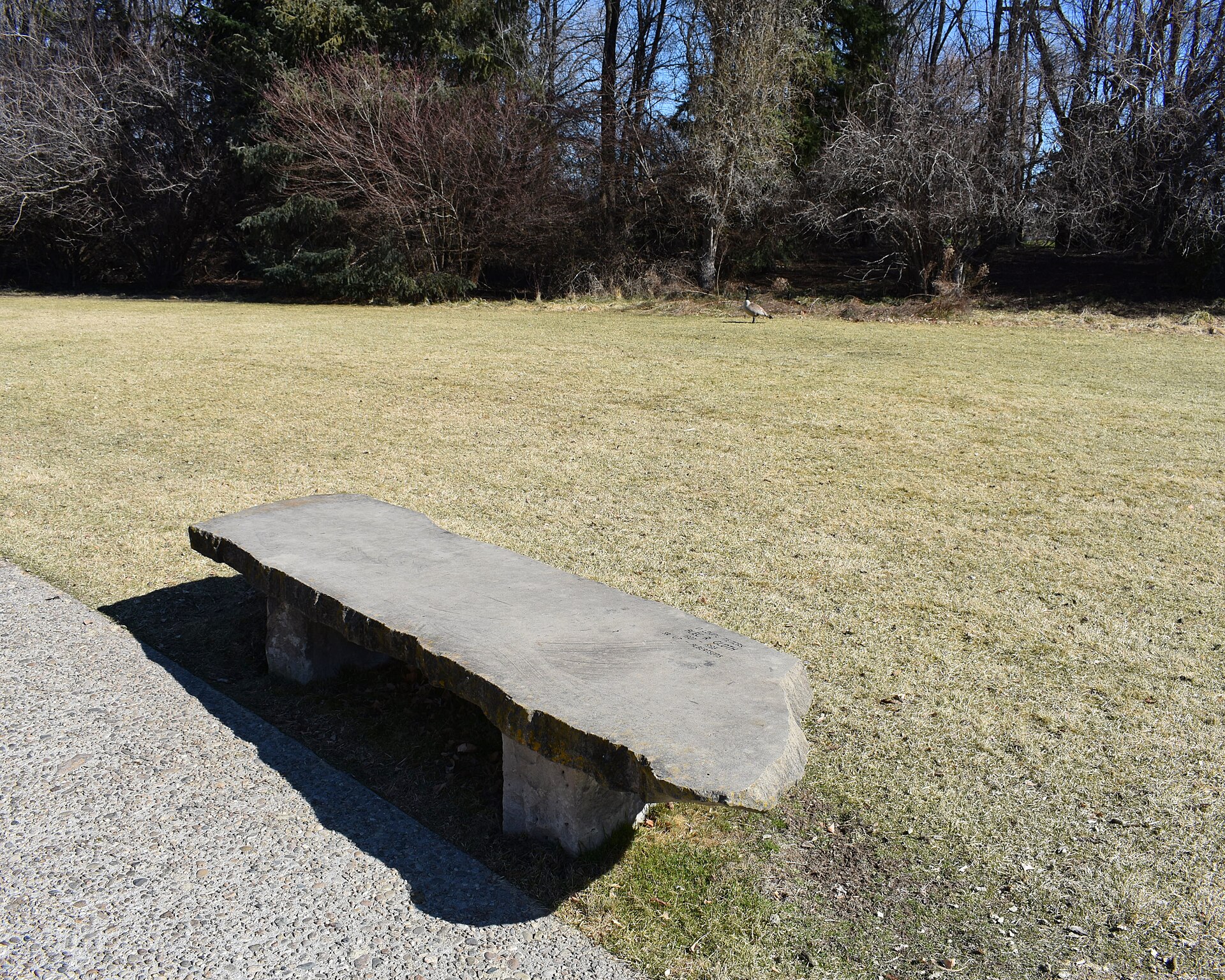
What Is Kathryn Albertson Park?
Kathryn Albertson Park is a roughly 41-acre nature park on the Boise River, just west of downtown, built specifically for wildlife rather than for recreation. It has ponds, wetlands and paved paths, but no bicycles, dogs, or organized sports are allowed. The City of Boise’s Parks and Recreation department manages it as a passive-use wildlife area, distinct from the ballfields and lawns found in the city’s larger parks.
Where Is It, and How Does It Connect to the Greenbelt?
The park sits along the south side of the Boise River near Americana Boulevard and Chinden/Whitewater Park Boulevard, close to Boise State University and immediately west of Ann Morrison Park. A section of the Boise River Greenbelt runs along its northern edge, so a walker or cyclist on the Greenbelt passes directly beside it, though the park’s interior paths are for foot traffic only.
Because it borders the Greenbelt, the park functions as a quiet detour off the main river corridor rather than a destination requiring separate travel. Anyone already working through the string of river parks — Ann Morrison, Kathryn Albertson, and further east Julia Davis Park — can reach it on foot without planning a special trip.
Why Was It Built as a Wildlife Park?
The land was previously a gravel pit. The city’s parks department describes the site’s conversion into a naturalistic landscape of ponds and wetland plantings, engineered specifically to attract and hold waterfowl, turtles and other river wildlife rather than to host athletic fields or open lawns. The project was funded through the J.A. and Kathryn Albertson Family Foundation and named for Kathryn Albertson, wife of Joe Albertson, founder of the Albertsons grocery chain headquartered in Boise. It opened to the public in the mid-1980s.
That origin explains the park’s design logic. Instead of the flat multi-use greens found at Ann Morrison or Julia Davis, Kathryn Albertson Park is laid out around a series of interconnected ponds with islands, reed beds and shoreline plantings meant to give birds cover and nesting habitat close to a dense urban core.
What Rules Make It Different From Other Boise Parks?
The park prohibits dogs, bicycles, skateboards and organized group activities — restrictions the city applies specifically here to protect nesting and resting wildlife, unlike its policy in most other Boise parks. Paths are paved and level, intended for slow walking and observation rather than exercise or through-traffic.
- No pets, including leashed dogs, are permitted inside the park boundary.
- Bicycles and skateboards are directed to the adjacent Greenbelt path instead.
- Fishing and swimming in the ponds are not permitted, since the water bodies exist as habitat, not recreation.
- Feeding of wildlife is discouraged by the parks department, consistent with its general wildlife-management guidance for city parks.
These rules are worth knowing before a visit, because they are actively enforced and differ from the more permissive policies at neighboring parks. Anyone planning a dog walk or a bike ride through the area should route around the park itself and stay on the connecting Greenbelt segment.
What Will You Actually See There?
Expect ducks, geese and other waterfowl, along with turtles baching in the ponds, and seasonal songbirds using the wetland plantings. The Idaho Fish and Game department and city parks materials both note the Boise River corridor’s role as a migratory stopover, and this park’s ponds are a small, protected slice of that larger river system.
The park is landscaped rather than wild in the strict sense — its ponds, islands and plantings were engineered — but it is managed to function as habitat, and the birdlife it draws is genuinely present rather than curated for show. Visitors interested in the wider ecology of the river corridor can read more in Access Boise’s coverage of the Greenbelt as a whole, which runs the length of the river through the city.

How Does It Relate to Ann Morrison Park and Julia Davis Park?
The three parks form a connected chain of green space along the river west and east of downtown, each with a different function. Ann Morrison Park, immediately east of Kathryn Albertson, is built for active recreation — sports fields, open lawns and large gatherings. Julia Davis Park, further east near the museum cluster, holds much of the city’s cultural infrastructure, including the zoo, art museum and rose garden described in Access Boise’s separate piece on that park.
Kathryn Albertson Park is the quiet counterpoint to both: no ballfields, no museums, and deliberately restricted access for anything other than slow walking. Understanding it means understanding what it deliberately excludes, as much as what it contains.
When Is the Best Time to Visit?
Spring and fall bring the most active bird life, as migratory waterfowl use the ponds during seasonal movement along the river corridor — a pattern Idaho Fish and Game documents more broadly for the Treasure Valley. Summer mornings are cooler and quieter than mid-afternoon, relevant given how warm Boise summers get; Access Boise’s guide to what a Boise summer is actually like covers that seasonal swing in more detail. Winter brings fewer birds but a starker, emptier landscape, and the park stays open year-round, weather permitting.
As with any city-managed green space, current hours, closures for maintenance, and any seasonal notices are set by the Boise Parks and Recreation department and should be checked on the city’s own site before a visit, since these details can change without much public notice.
How Do You Get There Without a Car?
The park is reachable on foot or by bike via the Greenbelt from downtown Boise or from Boise State University, both a short ride away. For readers weighing whether a car is necessary at all during a Boise stay, Access Boise’s broader guide on whether you need a car in Boise and its companion piece on spending a day in the city without one cover how walkable and bikeable the river corridor is in practice, including this stretch near Ann Morrison and Kathryn Albertson parks.
Street parking exists near the park’s edges, but the Greenbelt approach is generally the more direct route for anyone already in the downtown or Boise State area. For a wider sense of how this park fits into Boise’s larger network of green space, see Access Boise’s Parks & Foothills archive and the general orientation piece on the city, the Access Boise city guide.
Access Boise is an independent guide written from published, checkable sources. We have not visited the places described here and we do not publish personal recommendations or invented ‘local favourites’ — where something is singled out as notable, we say who says so. Opening times, fares, closures and prices change at short notice, so treat everything here as a starting point and confirm with the museum, operator or venue directly before building a day around it. We give no advice on visas, insurance, health or safety; use your own government’s official guidance for those.
Featured image: Photo by Tamanoeconomico, source, CC BY-SA 4.0
