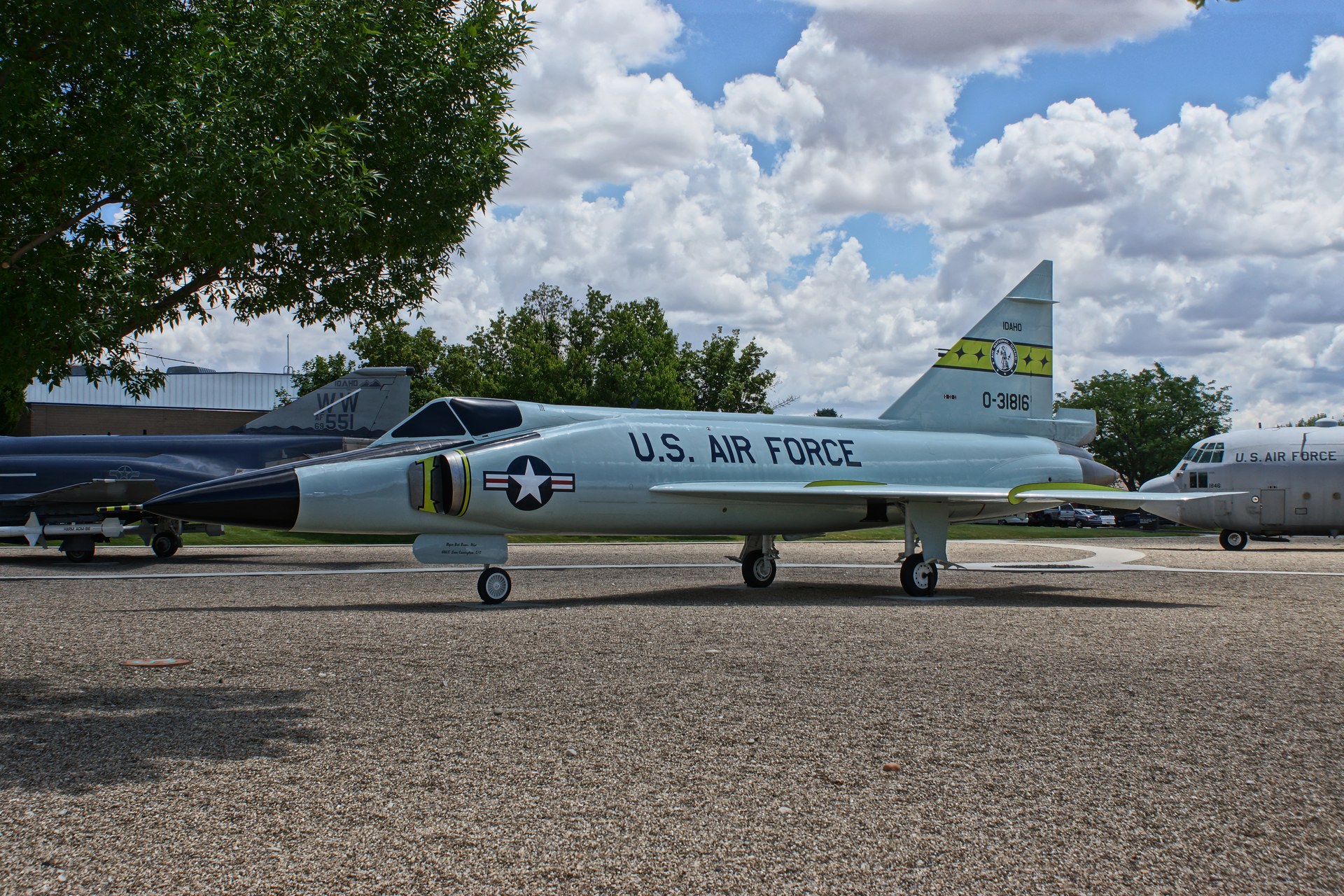
The Idaho Military History Museum is a small, free museum on Gowen Field, the joint Air National Guard and Army National Guard base south of the Boise Airport. It is operated by the Idaho Military Division and tells the story of Idaho’s military units, from territorial-era militia through the two World Wars, Korea, Vietnam, and the modern Idaho National Guard.
Who runs the museum and where is it?
The museum is a program of the Idaho Military Division, the state agency that oversees the Idaho Army and Air National Guard. It sits on Gowen Field, an active military installation that also shares runways with the Boise Airport. Because the museum occupies part of a working base rather than a standalone civic building, access and entry procedures are set by the Division, not by the museum staff alone.
Readers planning a visit should check the Idaho Military Division’s own site for current entry rules, identification requirements, and open hours before travelling out, since these can change with base security posture and are not something a third-party guide can responsibly forecast.
What does the collection actually cover?
The museum’s focus is narrower and more specific than a general war museum: it documents Idaho’s own military units and the people who served in them, rather than presenting a broad national narrative.
- Territorial militia and early statehood National Guard units, predating federal service structures.
- Idaho units in the First World War, including mobilization from towns across the state.
- Idaho National Guard and Idaho-connected service in the Second World War, including the Pacific and European theaters.
- Korea and Vietnam-era Idaho Guard service.
- The modern Idaho Army and Air National Guard, including its post-9/11 deployment history.
Displays typically combine uniforms, small arms, insignia, unit flags, photographs, and personal artifacts donated by Idaho veterans and their families. Because much of the collection is built from local and family donations rather than a single institutional acquisition program, the specific objects on view can shift over time as new material is catalogued.
How is it different from the Warhawk Air Museum?
The two museums are often confused because both sit near Boise-area airfields and both cover military aviation, but their scope is different. The Warhawk Air Museum in Nampa is a privately run collection built around restored World War II-era aircraft and the pilots who flew them, with a national and international lens on aviation history.
The Idaho Military History Museum, by contrast, is a state-run institution whose subject is specifically the Idaho National Guard and Idaho-connected units across all branches, not aircraft restoration. A reader interested in flyable historic warplanes is better served by Warhawk; a reader interested in how Idaho itself organized, equipped, and sent its own citizen-soldiers to war is better served by the Gowen Field museum.

Why is a museum located on an active military base?
Gowen Field has been the home of the Idaho Air National Guard and, later, Army Guard units, since the mid-twentieth century, and it remains the operational headquarters of the Idaho National Guard today. Housing the museum there keeps the collection close to the units and archives it documents, and it means the museum can draw on institutional records the Division holds directly rather than relying solely on donated or purchased material.
The tradeoff is that visiting requires working within base access procedures rather than simply arriving at a civic building downtown. This is a structural fact about the site, not a judgment on convenience, and it is worth planning around rather than treating as an afterthought.
Is there a cost to visit?
State-run military museums of this kind are typically free to the public, consistent with their role as an educational program of a state agency rather than a revenue-generating attraction. Readers should confirm current admission status directly with the Idaho Military Division, since even free-admission policies can be paired with registration or ID requirements tied to base access rather than to the museum itself.
How does this fit alongside Boise’s other history museums?
Boise has several institutions that each cover a distinct slice of the region’s past, and the military museum is one piece of a larger pattern rather than a duplicate of the others. The Idaho State Museum covers the broader sweep of Idaho history and statehood. The Basque Museum and Cultural Center documents the specific immigrant community that shaped the Basque Block downtown. The Idaho Black History Museum preserves the history of Black Idahoans, including those who served in segregated military units. The Old Idaho Penitentiary covers the state’s correctional history rather than its military one.
Together these institutions divide Idaho’s history by community and institution rather than by chronology, and the military museum’s contribution is the state’s own citizen-soldier tradition specifically, as distinct from state government, immigration, or civic life more broadly. A reader building a fuller picture of the region’s museums can browse the wider Museums & Galleries archive for how these collections relate to one another.
What else sits near Gowen Field worth knowing about?
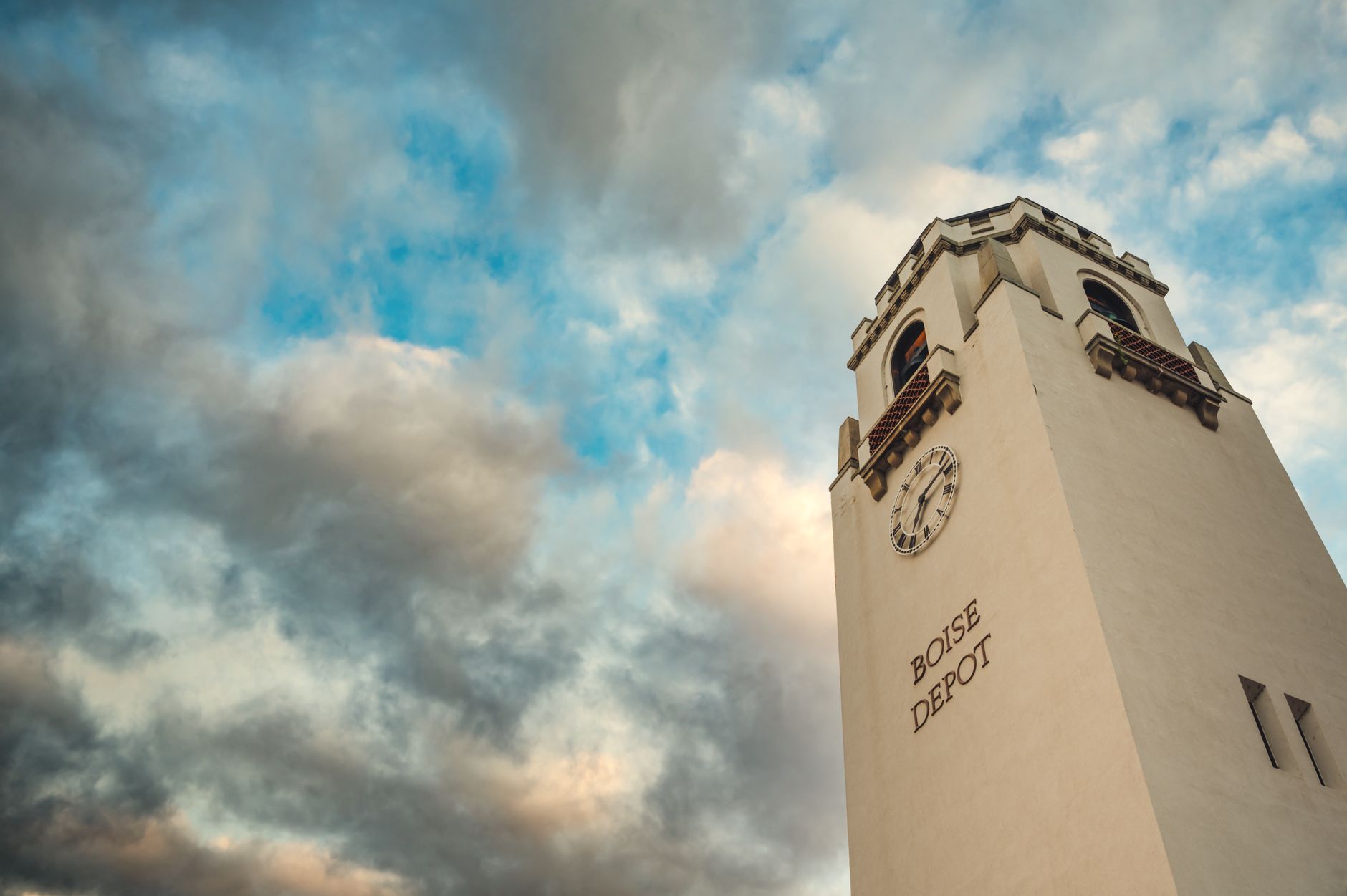
Gowen Field’s location, sharing infrastructure with the Boise Airport south of downtown, puts it apart from the cluster of landmarks nearer the city center, such as the Boise Depot. Visitors combining a trip to the military museum with other Boise landmarks should treat it as a separate outing rather than something folded into a downtown walking day, given the distance and the base-access step involved.
For readers mapping out Boise’s landmark buildings and monuments more broadly, including how sites like the Depot or the state’s other memorial spaces fit into the city’s layout, the Landmarks & Sights archive is the better starting index than trying to string military-specific sites into a single day.
What should a visitor confirm before going?
Because the museum sits on an active National Guard installation, the details that matter most are the ones a guide like this cannot responsibly guess at: current hours, whether advance notice or identification is required to enter Gowen Field, and whether any areas are closed due to base operations on a given day.
- Confirm open days and hours directly with the Idaho Military Division before travelling.
- Bring valid photo identification, since base access typically requires it even when the museum itself is free.
- Allow extra time for the entry process, which is separate from, and slower than, walking into a standalone civic museum downtown.
None of this is a judgment on the museum’s value — it reflects the simple fact that it operates inside a functioning military facility, and that facility’s own rules govern access, not the museum’s exhibit schedule.
Who is the museum actually for?
The collection is most useful to readers with a specific interest: Idaho veterans and their families researching a relative’s unit history, genealogists tracing service records tied to Idaho, and anyone studying how a sparsely populated Western state organized its National Guard across more than a century. It is a narrower, more research-oriented stop than a general-audience attraction, and it rewards a visitor who arrives with a specific unit, war, or family name in mind rather than a general afternoon to fill.
Readers weighing whether it belongs on a Boise itinerary alongside broader stops such as the Idaho Botanical Garden or the Parks & Foothills of the city should treat it as a targeted research and heritage stop rather than a general sightseeing destination, and plan the logistics of base access accordingly.
Access Boise is an independent guide written from published, checkable sources. We have not visited the places described here and we do not publish personal recommendations or invented ‘local favourites’ — where something is singled out as notable, we say who says so. Opening times, fares, closures and prices change at short notice, so treat everything here as a starting point and confirm with the museum, operator or venue directly before building a day around it. We give no advice on visas, insurance, health or safety; use your own government’s official guidance for those.