The Boise WaterShed is a city-operated environmental education center in West Boise that explains where the city’s water comes from, how it is used, and what happens to it after it goes down a drain. It sits next to the West Boise Water Renewal Facility, one of the plants that treats the city’s wastewater, and it uses that setting as its main teaching tool.
What exactly is the Boise WaterShed?
It is a public education facility run by the City of Boise’s Public Works department, built to teach residents — especially school groups — how water moves through the city and the wider Treasure Valley. It is not a museum of artifacts; its exhibits are interactive models and demonstrations rather than a historical collection.
The city’s own materials describe the building as purpose-built to sit alongside an active water renewal facility, so the site itself functions as a working example of what it teaches: a real plant treating real wastewater, visible from the education center’s grounds and windows.
Where is it located, and why put it there?
The Boise WaterShed stands on Joplin Road in West Boise, on land adjacent to the West Boise Water Renewal Facility. The city situates the two together deliberately — the treatment plant is the subject, and the education center is the classroom built around it.
This placement distinguishes it from the city’s other environmental and science-focused institutions. The Discovery Center of Idaho teaches general hands-on science in a downtown building with no direct link to an operating utility; the Boise WaterShed’s location is the point of the exhibit.
What does the Boise WaterShed actually explain?
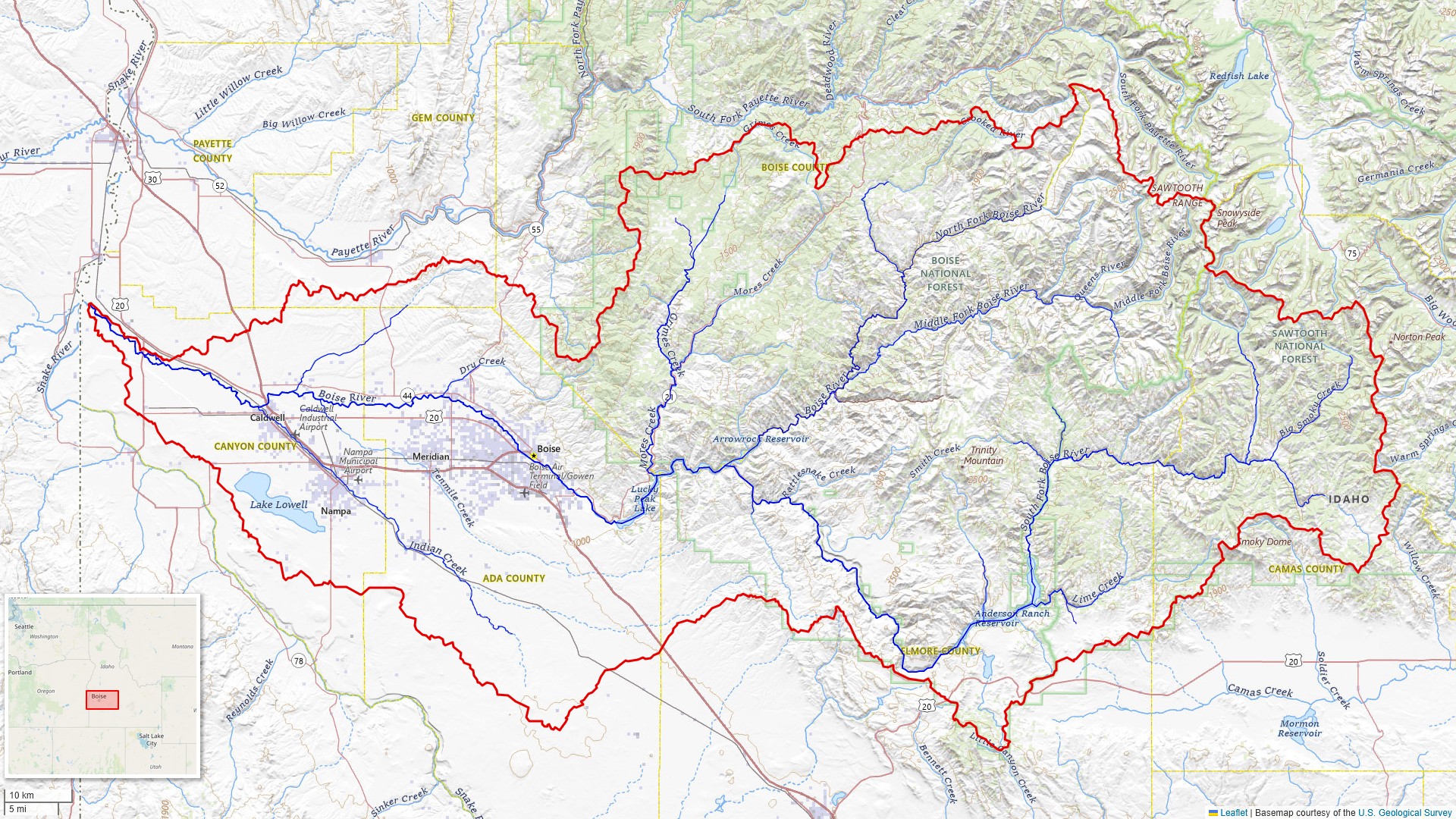
It explains the urban water cycle: how the city draws water for drinking and irrigation, how wastewater is collected and treated, and how treated water and biosolids are returned to the environment or reused. It also covers the broader watershed — the network of rivers, canals, and groundwater that the Treasure Valley depends on.
According to the city’s public materials, core topics include:
- The path of water from source to tap
- How wastewater treatment removes contaminants before water is returned to the Boise River
- Stormwater runoff and why what enters a street drain matters downstream
- Water conservation practices for households and landscaping
- The broader Boise River watershed and its role in the region’s water supply
What exhibits does the building contain?
The city describes the center as built around hands-on, largely non-mechanical exhibits aimed at making an invisible infrastructure system visible. Exhibits use models, physical demonstrations, and guided activities rather than screens or static displays, which is consistent with its design as a field-trip destination for school-age visitors.
Because specific exhibits are periodically updated or rotated, readers planning a visit — as a school group, a teacher, or simply a curious resident — should confirm current exhibit content on the city’s own Boise WaterShed pages rather than relying on any secondhand description.
Who is the Boise WaterShed built for?
Its primary audience, by the city’s own description, is school groups — the center runs curriculum-aligned field trips for Idaho classrooms, tying its exhibits to state science standards around water, ecosystems, and conservation. It also hosts public programming and is open to individual visitors and families outside of school-group hours.
This dual purpose — curriculum tool and public resource — puts it in a different category from Boise’s larger cultural institutions. It is closer in spirit to the conservation education model used at Zoo Boise, where a public facility is explicitly built around teaching a conservation message, than to a traditional museum collection like the one held by the Idaho State Museum.
Is admission free, and how does a visit work?
The city has historically operated the Boise WaterShed with free general admission, funded as part of its public works and environmental education programming rather than through ticket revenue. Because fee structures, hours, and school-booking procedures can change, readers should confirm current admission terms and field-trip booking requirements directly through the city’s own site before planning a visit.
School groups typically need to book field trips in advance through the center’s education staff, while individual and family visits generally follow posted public hours. Neither of these details is fixed enough to state as permanent fact here — they belong to the operator, not to a secondhand guide.
How does it fit into how Boise’s water system actually works?
Boise draws on a mix of groundwater and surface water, delivered through a combination of municipal systems and irrigation canals that predate the city’s modern water utilities. The Boise WaterShed’s exhibits are built to make that system legible: where water is pulled from, how it’s cleaned before use, and where it goes once a household or business is done with it.
The West Boise Water Renewal Facility next door is one of the plants handling that second half of the cycle — treating wastewater before it is returned, in accordance with state and federal water-quality standards, toward the Boise River. The education center exists specifically to explain that process to residents who otherwise have no reason to see it.
How does it connect to the rest of Boise’s institutions?
The Boise WaterShed sits within a small cluster of Idaho institutions built around water, land, and conservation rather than art or history. The World Center for Birds of Prey covers raptor conservation on a regional and global scale; the Boise WaterShed covers the far more local and infrastructural question of what happens to a city’s water supply.
Its subject also connects directly to the Boise River itself, the corridor covered in Access Boise’s Parks & Foothills archive, since the river is both the source the city draws from and the eventual recipient of treated wastewater. Readers building a broader picture of Boise’s public institutions can find comparable city- and state-run facilities across the Museums & Galleries archive.
What should a reader check before visiting?
Because hours, admission terms, and school-trip procedures are the kind of detail that changes without notice, the only durable advice here is procedural: confirm current information directly with the operator. The City of Boise’s own Boise WaterShed pages are the authoritative source for hours, booking, and program details, and should be checked ahead of any visit, whether as an individual, a family, or a teacher organizing a class trip.
For general context on how Boise’s public facilities are documented elsewhere, readers can also compare the presentation of nearby attractions such as the Idaho Botanical Garden, which sits on the grounds of the former penitentiary and covers a very different kind of environmental subject — plant collections rather than infrastructure — using a similarly hands-on, site-based approach to public education.
Access Boise is an independent guide written from published, checkable sources. We have not visited the places described here and we do not publish personal recommendations or invented ‘local favourites’ — where something is singled out as notable, we say who says so. Opening times, fares, closures and prices change at short notice, so treat everything here as a starting point and confirm with the museum, operator or venue directly before building a day around it. We give no advice on visas, insurance, health or safety; use your own government’s official guidance for those.
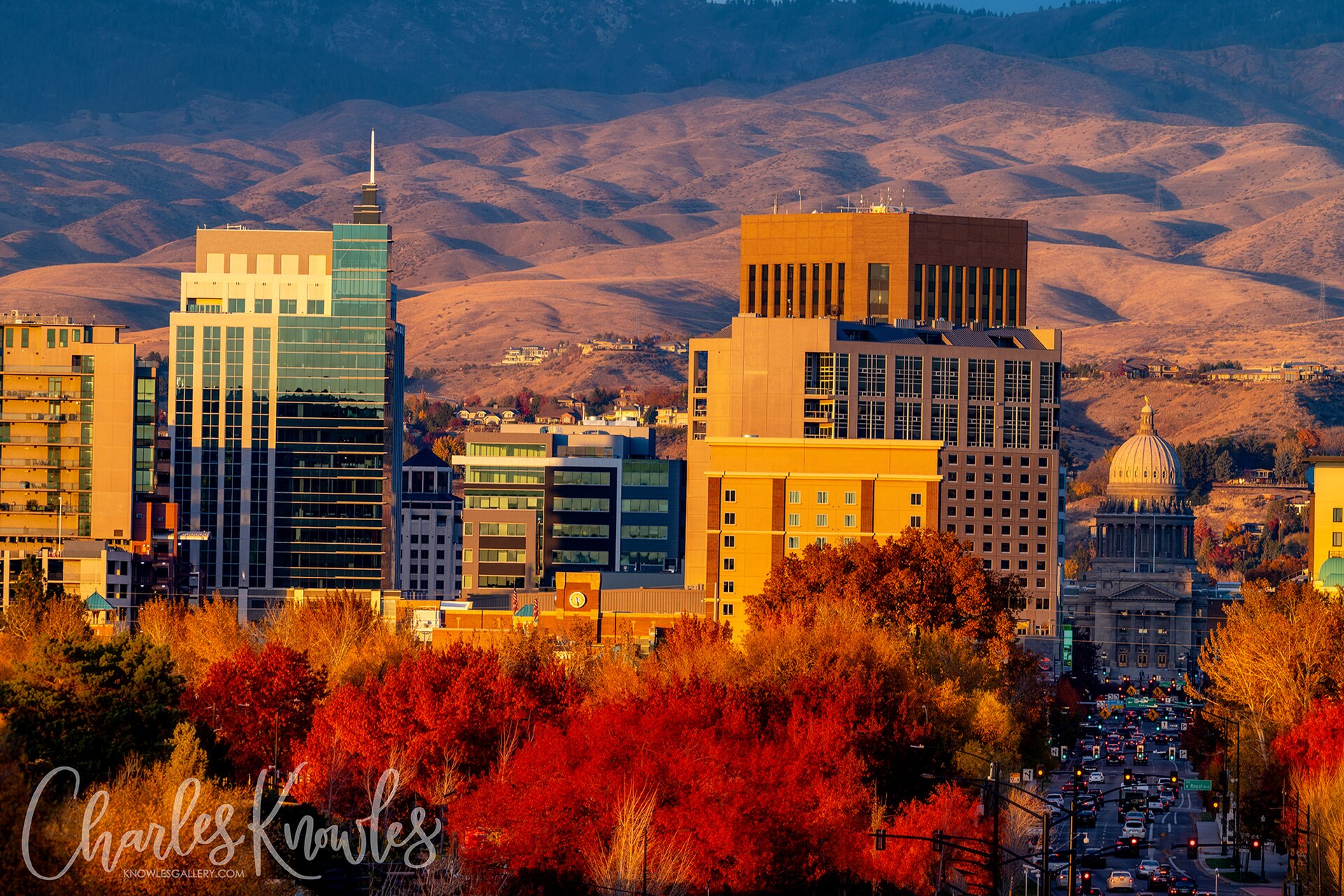
Featured image: Photo by Charles Knowles from Meridian Idaho, USA, source, CC BY 2.0
