Garden City is a small, independent municipality that sits entirely inside the metropolitan footprint of Boise, along the Boise River northwest of downtown, with its own mayor, city council, and city services. It is a separate city — not a Boise neighborhood — because it incorporated on its own in the mid-20th century and never merged with its much larger neighbor.
Where exactly is Garden City?
Garden City occupies a narrow strip of land along the Boise River, roughly between State Street and Chinden Boulevard, northwest of downtown Boise. Boise’s city limits wrap around it on nearly every side, which is why longtime residents sometimes describe Garden City as an enclave — a city within a city, even though the two governments are entirely distinct.
The river forms much of Garden City’s southern edge, and the Boise River Greenbelt, the paved multi-use path that follows the river for miles, runs directly through it. Anyone walking or cycling the Greenbelt west from downtown passes from Boise’s jurisdiction into Garden City’s without any obvious change in the landscape — the boundary is administrative, not visual.
Why did Garden City become its own municipality?
Garden City incorporated in 1949, and its founding is tied to activities Boise had restricted or banned within its own limits, most notably gambling and certain liquor sales. By forming a separate city government, Garden City could set its own local ordinances rather than operate under Boise’s.
For decades afterward, Garden City’s reputation rested on that legacy — a strip of card rooms, bars, and liquor stores along Chinden Boulevard and State Street that operated under looser rules than businesses a few blocks away in Boise proper. That reputation persisted well after Idaho tightened statewide gambling law in the 1950s, and it shaped how the two cities were perceived relative to each other for much of the 20th century.
How does Garden City function differently from Boise today?
Garden City maintains its own city hall, its own elected council and mayor, and its own municipal services, separate from the City of Boise. It falls within the same county, Ada County, as Boise, but the two cities set their own zoning codes, business licensing, and local ordinances independently.
That independence still matters practically. A business address a few blocks apart can fall under two different sets of zoning rules, permit processes, and city fees, depending on which side of the boundary it sits on. For residents, it means voting in a separate municipal election and being served by a distinct local government rather than Boise’s.
What is Garden City known for now?
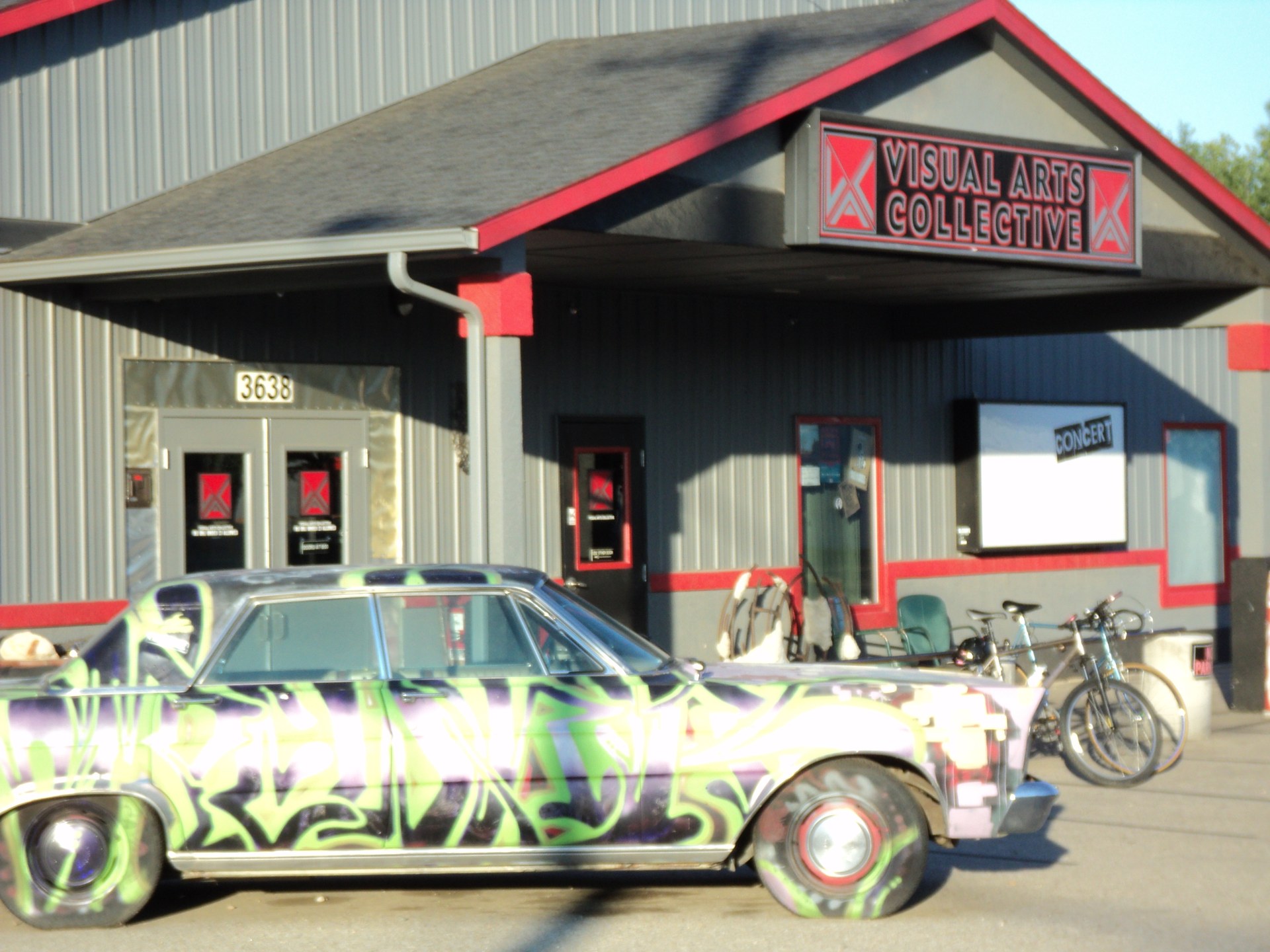
The old card-room strip has largely given way to a different economy. Garden City’s flat, industrially zoned land along the river has, over recent decades, attracted artist studios, galleries, breweries, and design and manufacturing businesses that need more space and fewer restrictions than they would find in central Boise.
This shift mirrors what has happened in a number of formerly industrial river corridors in the wider region — warehouses and rail-adjacent lots repurposed for creative and light-industrial use once land closer to a growing downtown became scarcer and more expensive. Readers interested in how Boise’s own former rail corridor has been reused for similar purposes can compare it with what remains of Boise’s railroad history today.

How does the Boise River factor into Garden City?
The Boise River is Garden City’s defining physical feature. It forms the city’s southern boundary for much of its length and gives the city direct frontage that Boise neighborhoods on the opposite bank share without sharing a government.
The Greenbelt path that runs along both banks connects Garden City to Boise’s downtown core, its Bench neighborhoods to the south, and residential areas further along the river, all without regard to the municipal line. Anyone mapping out a longer river walk or ride should treat Garden City and Boise as one continuous corridor for path purposes, even though the two are administered separately — a distinction covered in more general terms in Access Boise’s overview of getting around and planning a visit.
Does Garden City affect how a visitor experiences Boise?
For most visitors, the practical effect is minimal. Garden City sits close enough to downtown that it functions as part of the same day-to-day geography — the same river path, the same general transit and road network — without a formal border crossing of any kind.
Where it matters is in understanding why an address a short distance from downtown Boise is technically in a different city, with a different city government, different local business rules, and its own municipal identity. Readers piecing together how Boise’s various districts relate to one another may find it useful to compare Garden City’s separateness with how Access Boise defines the edges of downtown Boise’s own boundaries, or with genuine Boise neighborhoods such as the North End, the Vista neighborhood, or the Boise Bench — all of which are part of Boise proper, unlike Garden City.
Does Garden City matter to residents?
It matters more to residents than to visitors, because it determines which local government sets the rules for property, business, and civic life in that stretch of the valley. Someone living or opening a business in Garden City deals with a different city hall, different permitting office, and different council than someone a few streets away in Boise.
For residents of the wider Boise area trying to understand how the metro area is actually organized — which services come from which government, and why some districts feel administratively distinct even when they’re geographically continuous — Garden City is one of the clearest examples in the valley. Access Boise’s broader guide to living in Boise covers how the city’s various districts and jurisdictions fit together for people who actually live there, not just pass through.
How do you tell when you’ve crossed into Garden City?
There is no dramatic marker. The transition from Boise to Garden City happens along ordinary streets — State Street, Chinden Boulevard, and the river corridor between them — with city limit signage rather than any change in terrain or architecture.
Travelers exploring Boise’s neighborhoods on foot or by bike are more likely to notice Garden City through small cues: a different city logo on a public sign, a business address that lists “Garden City, ID” rather than “Boise, ID,” or a city council agenda posted separately from Boise’s own. Those details, more than any physical boundary, are what confirm the two cities remain administratively separate more than seventy years after Garden City first incorporated.
For a fuller picture of how Boise’s individual districts and landmarks fit into the wider metro area, Access Boise’s guides to Boise’s neighborhoods and the general Boise guide hub set Garden City’s independence in context alongside the city’s other well-defined districts.
Access Boise is an independent guide written from published, checkable sources. We have not visited the places described here and we do not publish personal recommendations or invented ‘local favourites’ — where something is singled out as notable, we say who says so. Opening times, fares, closures and prices change at short notice, so treat everything here as a starting point and confirm with the museum, operator or venue directly before building a day around it. We give no advice on visas, insurance, health or safety; use your own government’s official guidance for those.
Featured image: Photo by US Forest Service photo/Kari Greer, source, CC BY 2.0
