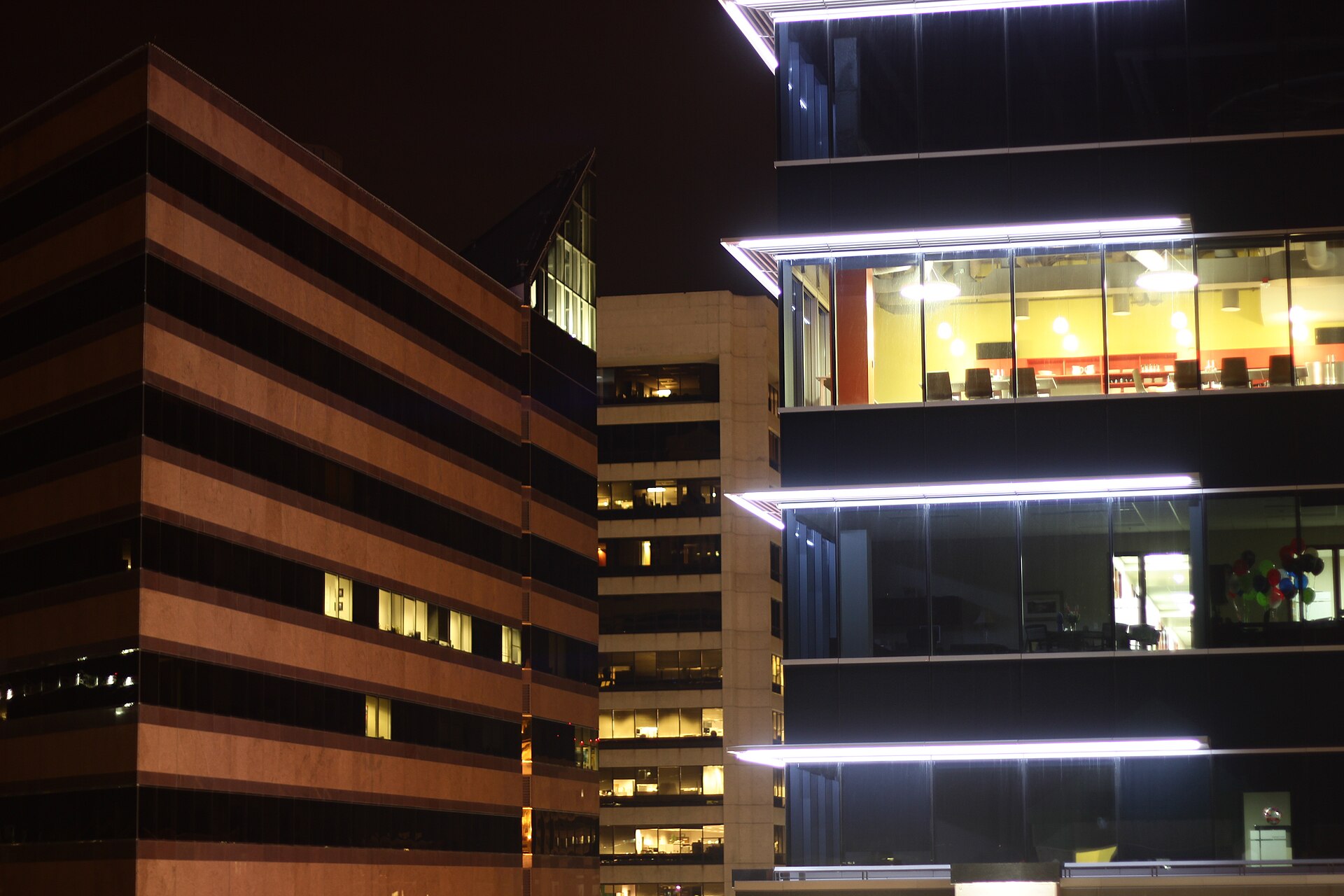
What is Harris Ranch and the Barber Valley?
The Barber Valley is a stretch of the Boise River corridor on the city’s southeast edge, upstream from the East End. Harris Ranch is the large, master-planned residential and mixed-use development built inside that valley over the past two decades, on land that was ranch and mill property before the city annexed it. The valley is the geography; Harris Ranch is the neighbourhood built into it.
Where is the Barber Valley, geographically?
The Barber Valley sits along the Boise River east of downtown, past the East End and roughly below the foothills that carry Table Rock. It is bounded by the river on one side and rising bench and foothill terrain on the other, which is why development there has followed the river’s flat floor rather than spreading uphill in the way older Boise neighbourhoods did.
The area is reachable from central Boise mainly along Warm Springs Avenue and Eckert Road, both of which run east from the East End into the valley before connecting to Harris Ranch’s internal street grid. It is not adjacent to downtown in the way the North End or the Bench are; it is a distinct pocket of the city, several miles upstream on the river.
What was in the Barber Valley before Harris Ranch?
Before it was residential, the valley was industrial. In the early 1900s a company town called Barberton grew up around a lumber mill that processed timber floated and railed down from forests to the northeast. A dam was built on the river at the same time to supply power to the mill — Barber Dam still stands today as a small hydroelectric structure on the Boise River, one of the more concrete physical remnants of that period.
The Idaho State Historical Society’s reference materials on the area describe the mill town and dam as part of the broader story of timber and water-power development along the Boise River in the early twentieth century, alongside the railroad history documented in the city’s own account of what remains of Boise’s railroad history. Barberton itself did not survive as a town once the mill closed; the valley reverted largely to agricultural and ranch use for most of the twentieth century, which is where the “Harris Ranch” name comes from.
What is Harris Ranch, specifically?
Harris Ranch is a large-scale planned community built on former ranch land in the valley, annexed into the City of Boise and developed in phases from the early 2000s onward. It is designed on New Urbanist principles rather than a conventional suburban subdivision layout: a grid of connected streets, a mixed-use town-centre component with retail and offices alongside housing, a range of housing types from single-family lots to attached and multifamily units, and public schools built as part of the development rather than added afterward.
This puts it in a different category from Boise’s older residential districts. Where the North End or the Bench grew organically over decades around streetcar lines and irrigation canals, Harris Ranch was master-planned from the outset by a single development entity working from an approved site plan, with infrastructure, parks and trail connections designed in before most homes were built.
How does Harris Ranch fit into the city’s planning?
The City of Boise’s planning department maintains a specific plan for the Barber Valley that sets land-use rules for the area — governing density, the mix of commercial and residential space, and how new development must connect to the river and to existing trail and road networks. Harris Ranch was built under that framework, and later phases of development in the valley continue to be reviewed against it.
That planning document is one reason the valley reads differently from older parts of the city: it was zoned and designed as a unit rather than assembled lot by lot. Readers interested in how Boise’s various districts differ from one another in this way can compare the pattern against the city’s other planned and historic areas in the neighbourhoods archive.

What does the area offer for river access and recreation?
The main public-facing feature of the Barber Valley, for anyone who does not live there, is river access. Barber Park, a City of Boise Parks and Recreation facility at the upstream end of the valley, is the principal put-in point for floating the Boise River — a summer tradition in which people launch on inner tubes or rafts and drift downstream, typically finishing near Ann Morrison Park closer to downtown. The city’s parks department runs a seasonal shuttle service back to the put-in during float season; details and current operation should be confirmed on the City of Boise’s own Parks and Recreation site rather than assumed from year to year.
The Boise River Greenbelt, the paved multi-use path that follows the river through the city, extends into and through the Barber Valley, linking Harris Ranch to the East End and downtown on foot or by bicycle without using the road network. This is the clearest practical connection between the newer development and the rest of the city, and it is covered more broadly in the city’s outdoor and trail coverage in the parks and foothills archive.
Is Harris Ranch worth visiting, or is it mainly residential?
It is mainly residential. Harris Ranch has no major museum, historic landmark, or listed monument comparable to the sites covered elsewhere on this site, and there is no equivalent to the Basque Block or the East End’s older housing stock that gives a visitor a specific destination to walk to. Its interest to an outside visitor is largely as a case study in how a modern American city plans and builds an entire new district at once, and as a point of access to the Greenbelt and Barber Park.
For a first-time visitor to Boise weighing where to spend limited time, the older, denser parts of the city — covered in the general Boise guide — will generally offer more to look at per hour than the Barber Valley does. The valley rewards a longer stay or a specific reason to be there: a float trip from Barber Park, a ride along the Greenbelt, or an interest in how Boise has managed suburban-scale growth inside city limits.
What should residents know about the area?
For people considering living in the Barber Valley, the practical differences from older Boise neighbourhoods are structural, not cosmetic. Housing in Harris Ranch tends to be newer construction with homeowners’ association rules attached, which is uncommon in the North End or the East End’s older housing stock. Commuting into downtown means using Warm Springs Avenue or Eckert Road, both of which see predictable congestion at peak times as the valley’s population has grown; there is no direct freeway link from the valley itself.
Schools, parks and some retail were built into the development as it was planned, so residents are less dependent on a separate town centre than they might be in an older neighbourhood retrofitted around a commercial strip. The trade-off, as with any planned community, is a district that reads as newer and more uniform than Boise’s historic core — a genuine difference in character worth knowing before assuming Harris Ranch works the same way as the rest of the city. Broader context on how Boise’s neighbourhoods differ from one another, and how the city actually functions day to day, is covered in Living in Boise and in the practical planning notes at Boise Practical.
Access Boise is an independent guide written from published, checkable sources. We have not visited the places described here and we do not publish personal recommendations or invented ‘local favourites’ — where something is singled out as notable, we say who says so. Opening times, fares, closures and prices change at short notice, so treat everything here as a starting point and confirm with the museum, operator or venue directly before building a day around it. We give no advice on visas, insurance, health or safety; use your own government’s official guidance for those.
Featured image: Photo by SniperProgrammer, source, CC BY-SA 3.0
