The Grove Plaza is downtown Boise’s central public square — a brick-paved, gently terraced open space with a fountain at its center, built by the city as a gathering point for events. It hosts a rotating calendar of concerts, markets, festivals, and a seasonal ice rink, and functions much like a town square for the whole metro area, not just the downtown core.
Where exactly is the Grove Plaza, and how is it laid out?
The Grove sits in the heart of downtown Boise, bounded roughly by Main Street, Grove Street, 8th Street, and Capitol Boulevard. It occupies a full city block that the municipal government cleared for public use rather than private development.
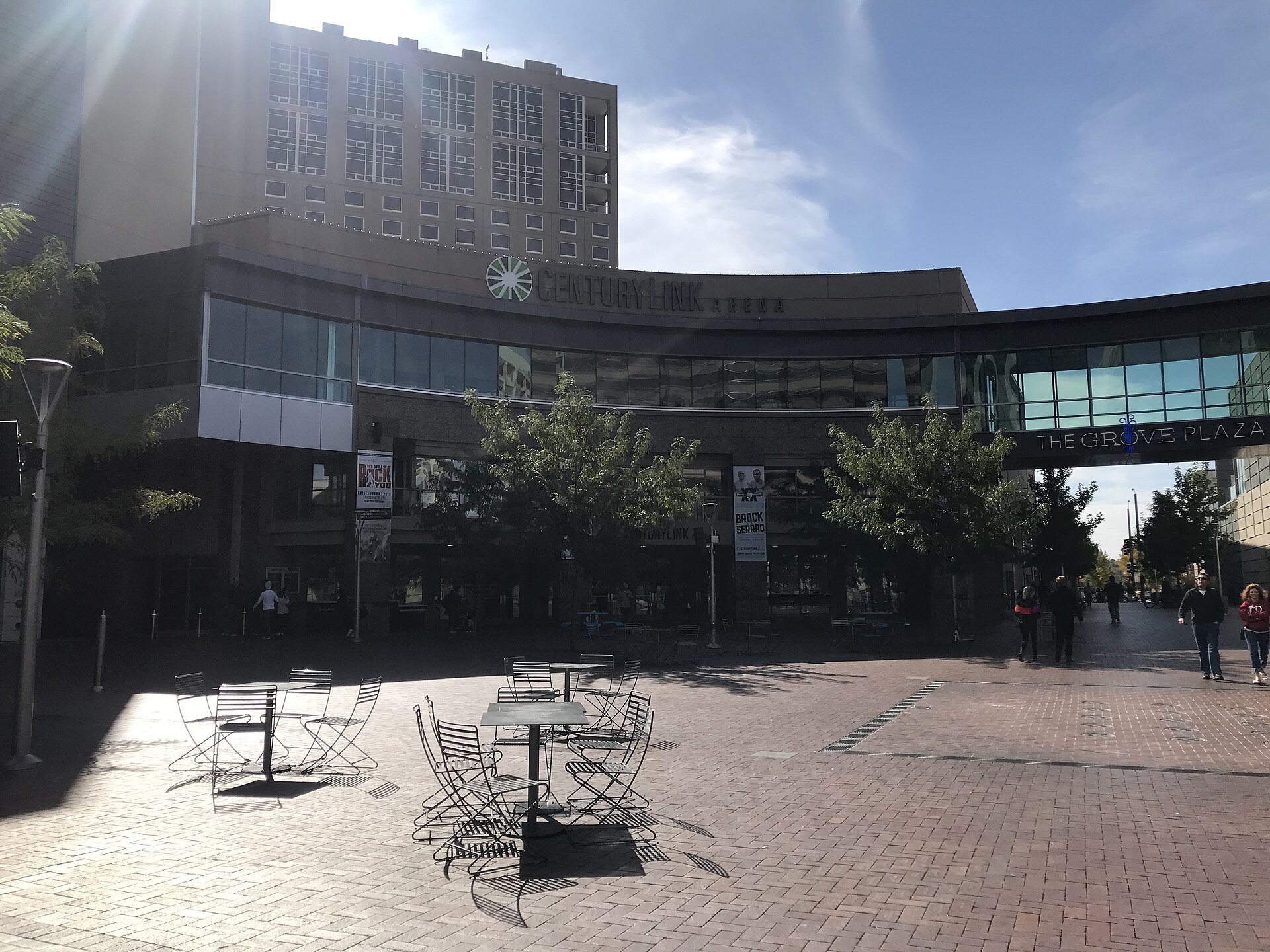
The design is simple and functional: a sunken, stepped brick amphitheater slopes down toward a central fountain, giving the space natural tiered seating without any fixed structures. There is no admission gate and no single “entrance” — it is open on all sides and cuts through as a pedestrian route between Capitol Boulevard and 8th Street, one of downtown’s main retail and restaurant corridors.
Why was this particular block turned into a plaza?
The Grove Plaza dates to Boise’s downtown urban renewal push of the late 1970s, when the city and its redevelopment agency — historically known as Capital City Development Corporation, or CCDC — were assembling and reworking blocks that had fallen into decline. Rather than filling the site with another building, the city set it aside as a fixed civic gathering space, a decision that shaped how the surrounding blocks were later redeveloped around it.
That history matters for understanding downtown Boise’s layout generally: several of its notable public spaces, including this one, exist because of a deliberate 20th-century planning choice rather than because a historic square happened to survive. Readers interested in the wider pattern of how downtown Boise’s landmarks were assembled can find related context in the Landmarks & Sights section.
What is the Grove Plaza used for in summer?
Summer is the plaza’s busiest stretch. The Downtown Boise Association has long organized a weekly evening concert series at the Grove, typically running on a set weekday through the warmer months and paired with vendor stalls and food trucks along the plaza’s edges. Exact dates and the current lineup change year to year, so the organization’s own site is the reliable source for what is scheduled in a given summer.
The Grove is also used for one-off civic events: rallies, festival stages, product launches, and community celebrations that need open ground near a city’s core rather than an enclosed venue. Because it has no roof and no seating capacity limit in the way an indoor hall does, it is the default choice in Boise for anything that needs to draw an open crowd downtown.
What happens at the Grove in winter?
For part of the year, the city converts the plaza’s lower level into an outdoor ice rink, a seasonal installation that has run under sponsorship arrangements in past years and is operated with city involvement rather than by a private rink company. Skate rental and session times are set by whoever is operating the rink that season, so current hours and pricing should be checked on the city of Boise’s own parks and recreation pages rather than assumed from a previous year.
Outside of the rink’s operating window, the same sloped brick surface simply functions as open plaza space — usable for walking through, sitting on the steps, or waiting near the fountain, which is not always running outside the warmer months.
Is the Capital City Public Market held at the Grove?
Not directly on the plaza itself. Boise’s Saturday farmers market, the Capital City Public Market, sets up on nearby downtown streets rather than inside the Grove’s boundaries, though it operates close enough that visitors often treat the two as one trip. The market’s own organization publishes its current season, hours, and street closures, and that is the source to check before planning around it, since the footprint has shifted over the years.
The distinction is worth knowing for a practical reason: someone specifically heading downtown for the market should confirm the current street location rather than heading straight for the plaza and assuming stalls will be there.
What buildings and landmarks surround the Grove Plaza?
The plaza sits inside a dense cluster of downtown institutions, which is part of why it functions as a hub rather than a standalone park:
- Boise Centre, the city’s convention facility, sits adjacent to the plaza and uses it for outdoor components of larger events.
- A hotel tower faces the plaza directly, along with several office and retail buildings that opened as part of the same era of downtown redevelopment.
- The Idaho Central Arena, home to Boise’s minor-league hockey team, borders the block and draws foot traffic through the Grove on game nights.
- Capitol Boulevard runs north from the plaza directly toward the Idaho State Capitol, making the Grove a natural midpoint on a walk between the Capitol and the river.
A block or two away, downtown’s other set-piece landmarks are within easy walking distance: the restored Egyptian Theatre on Capitol Boulevard, and the outdoor murals of Freak Alley Gallery tucked between Bannock and Idaho Streets. Both are commonly combined with a stop at the Grove because they sit inside the same compact downtown grid.
Is the Grove Plaza free to use, and are there rules?
Yes — the plaza is public open space with no admission charge for simply being there. Specific programmed events, such as ticketed concerts staged on a temporary platform, may carry their own cost set by the organizer, but the space itself is not gated or metered.
As with any city-owned public plaza, permitted uses (vendor stalls, amplified sound, alcohol service at sanctioned events) are controlled through permits issued by the city of Boise, not by informal use. A visitor is unlikely to encounter this directly, but it explains why some days the Grove is simply empty brick and fountain, and other days it is fenced for a ticketed stage or market footprint.
How does the Grove fit into a day in downtown Boise?
For a visitor, the Grove works best as a waypoint rather than a destination in itself — a plaza to pass through or sit in briefly between the Capitol, the Basque Block, the river, and downtown’s restaurant streets, rather than a site that requires a dedicated block of time. For a resident, it is closer to functional civic infrastructure: the place where the city’s outdoor concerts, winter skating, rallies, and seasonal markets actually happen, year after year, regardless of what else changes downtown.
Readers building a broader downtown itinerary around fixed institutions rather than open space may want to start with the city’s Museums & Galleries archive, or check which Boise museums are free before pairing a museum stop with time at the plaza. For a landmark with a similar civic-square role but a very different history — Boise’s restored railway building and its formal gardens — see the article on the Boise Train Depot and Platt Gardens.
Access Boise is an independent guide written from published, checkable sources. We have not visited the places described here and we do not publish personal recommendations or invented ‘local favourites’ — where something is singled out as notable, we say who says so. Opening times, fares, closures and prices change at short notice, so treat everything here as a starting point and confirm with the museum, operator or venue directly before building a day around it. We give no advice on visas, insurance, health or safety; use your own government’s official guidance for those.
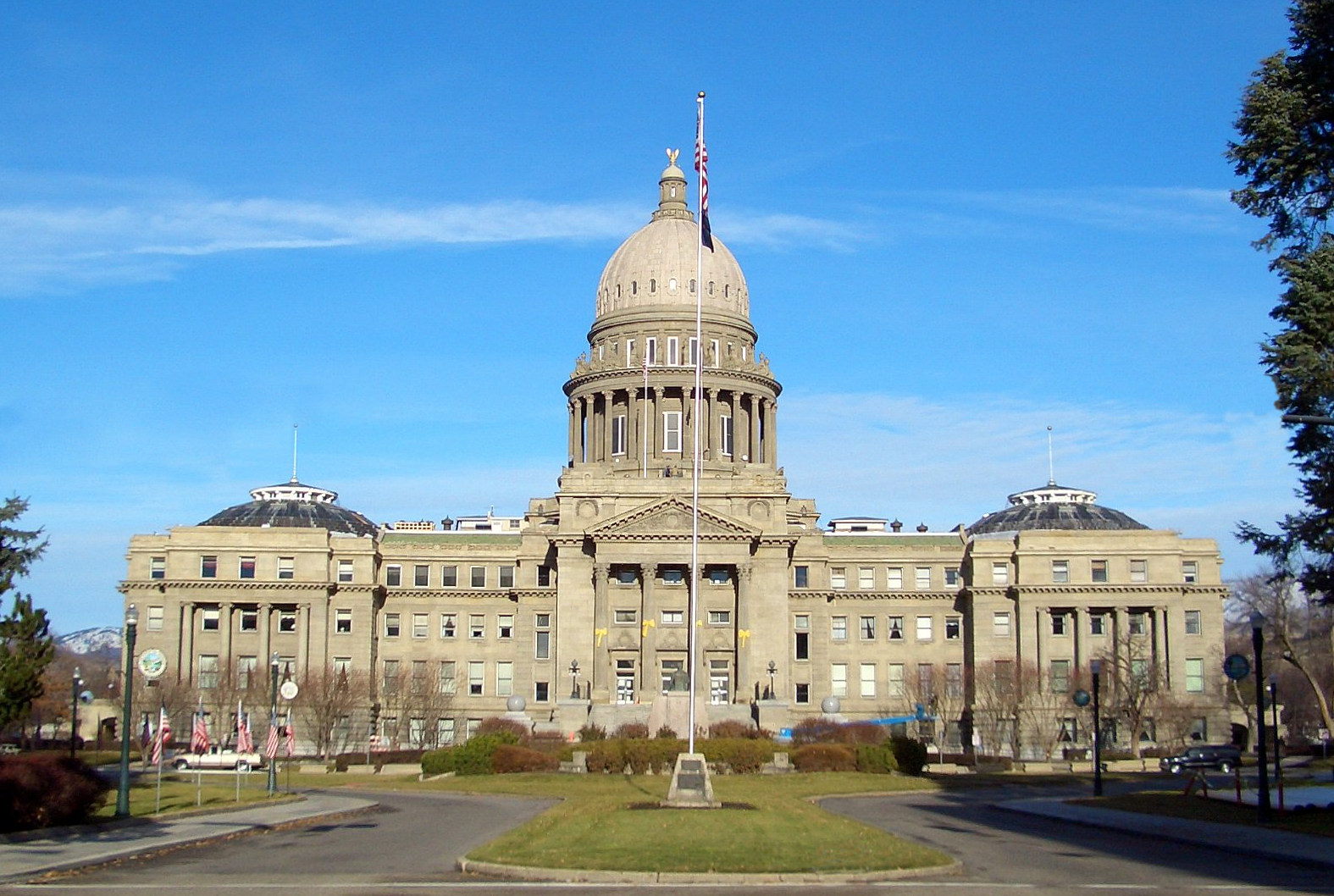
Featured image: Photo by Elwood J Blues, source, CC BY-SA 2.5
