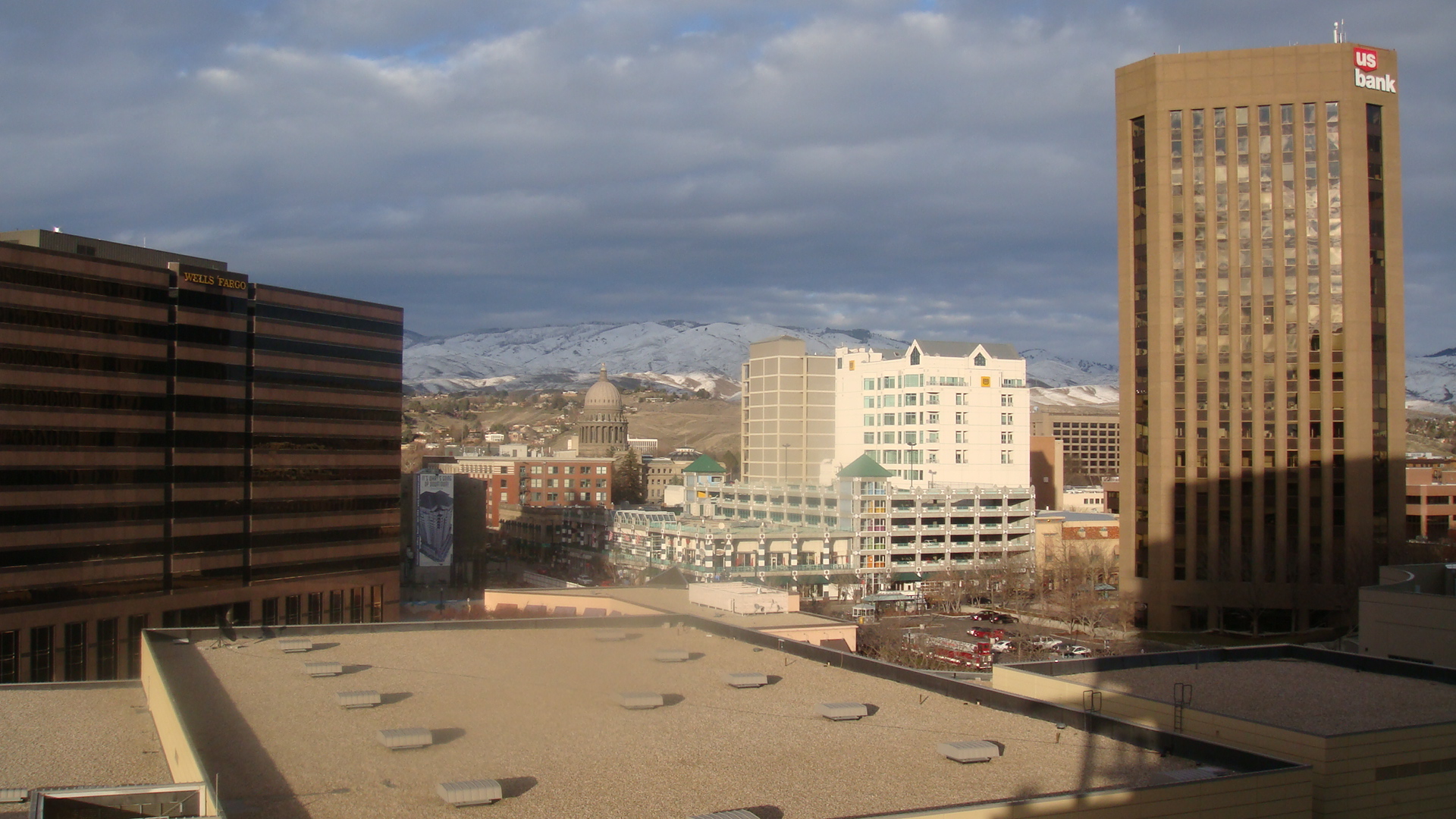
A walking route through downtown Boise runs roughly a mile and a half in a loop, starting at the Idaho State Capitol, moving through Grove Plaza and the Basque Block, and finishing near the Egyptian Theatre and Ada County Courthouse. The grid is flat, compact, and built on a regular street pattern, so no stop is more than a ten-minute walk from the next.
Where does the route actually start, and why the Capitol?
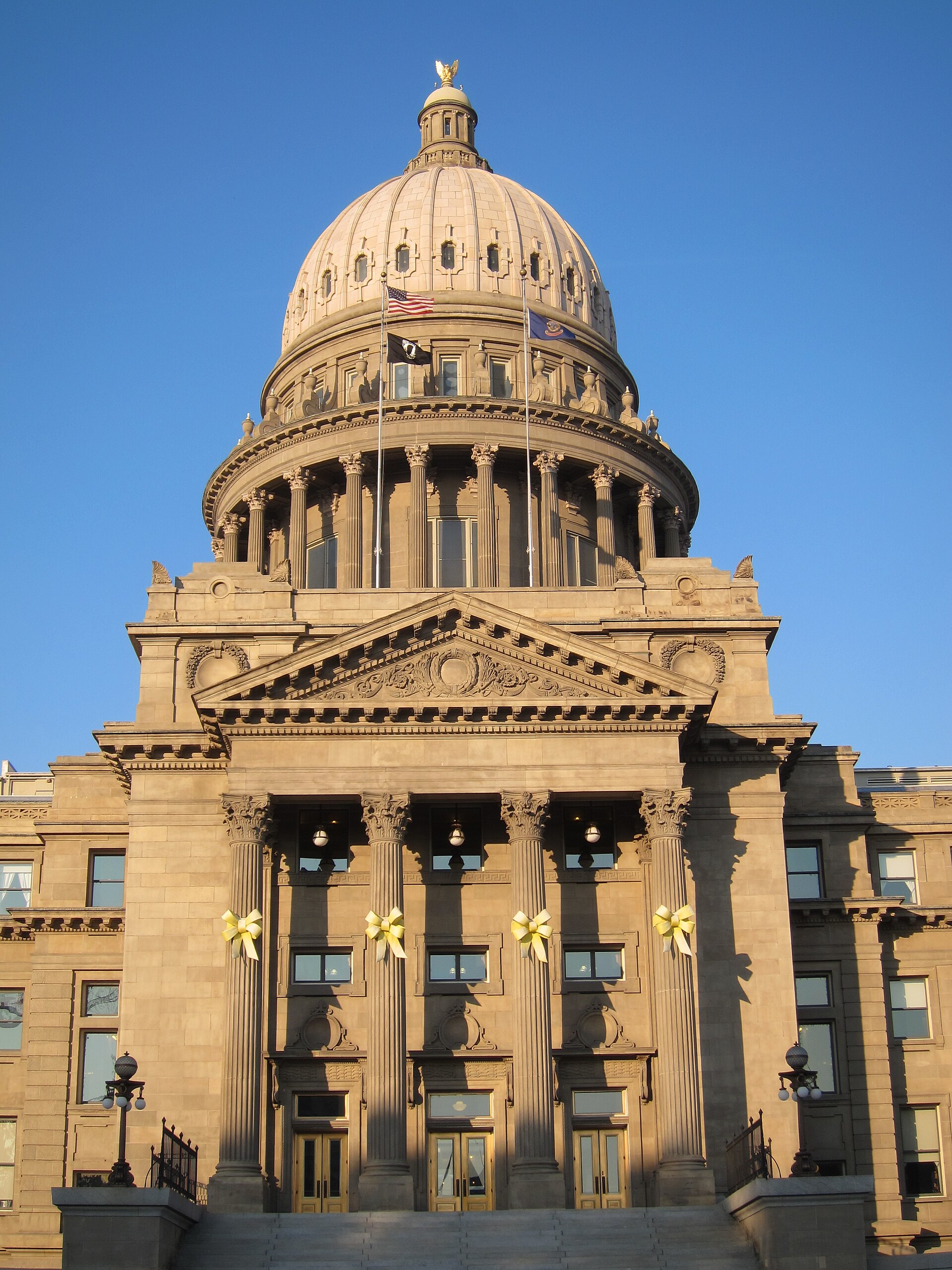
The Idaho State Capitol sits at the top of Capitol Boulevard, the street the city planned specifically to connect the seat of state government to the railroad depot below it. The building is on the National Register of Historic Places, and the state’s own site notes it is the only U.S. capitol heated by a direct geothermal system, part of the network described in more detail in coverage of how Boise’s geothermal system works. Details on what the building contains and how to visit are covered separately in a guide to visiting the Idaho State Capitol.
From the Capitol steps, Capitol Boulevard runs south in a straight sightline toward the old Union Pacific depot on the bench above the river — a deliberate piece of early-twentieth-century city planning, explained further in coverage of what Capitol Boulevard connects. A downtown loop does not need to cover that full distance; it uses the boulevard only as a starting axis before turning into the grid of numbered streets.
What is at Grove Plaza and Boise City Hall?
A few blocks south and west of the Capitol, Grove Plaza is the city’s central public square, a paved open space used for markets, concerts, and civic gatherings on a rotating calendar set by the city rather than any fixed weekly schedule. Boise City Hall sits at its edge, with its own adjoining plaza space used for public events and gatherings, covered in a separate piece on what Boise City Hall Plaza is used for and in the broader account of what Grove Plaza is used for. Because both spaces host recurring rather than dated events, a reader should check the city’s own calendar for what is scheduled on a given day rather than expect a fixed programme.
What is the Basque Block, and what does it hold?
One block over, Grove Street becomes the Basque Block, a stretch the National Park Service lists as the center of Basque cultural heritage in Boise, home to the Basque Museum and Cultural Center and a cluster of buildings tied to the city’s Basque immigrant community, one of the largest in the United States. The museum’s own collection and programming are described in a dedicated guide to the Basque Museum and Cultural Center. The block is also the anchor for Jaialdi, the Basque festival held periodically in Boise and covered separately in an explanation of what Jaialdi is and how often it happens.
What is Freak Alley Gallery, and where does it fit on the route?
A short walk north, between 8th and 9th streets, Freak Alley Gallery occupies a service alley behind the block’s storefronts. Its own site describes it as one of the largest outdoor collections of murals in the Pacific Northwest, repainted periodically by contributing artists rather than fixed as a permanent display. A fuller account of the alley’s history and how it is maintained is covered in a separate piece on Freak Alley Gallery’s murals.
.jpg)
What do the Egyptian Theatre and the courthouse add to the walk?
Continuing toward Capitol Boulevard, the Egyptian Theatre stands at the corner of Capitol and Main, a 1927 movie palace built in the Egyptian Revival style that followed the discovery of Tutankhamun’s tomb, and listed on the National Register of Historic Places. Its architecture and current use as a working venue are covered in a separate piece on why the Egyptian Theatre looks the way it does.
A few blocks away, the Ada County Courthouse holds public murals depicting regional history, discussed in more detail in coverage of the Ada County Courthouse murals. Both buildings sit close enough to the earlier stops that they extend the loop by only a few extra minutes on foot.
Is Cathedral of the Rockies part of the same walk?
Cathedral of the Rockies, the home of Boise’s First United Methodist congregation, sits a short distance east on the edge of downtown proper, and its building is documented in a separate guide to what Cathedral of the Rockies is. It works as a natural closing point for a loop that began at the Capitol, since both buildings anchor opposite corners of the downtown core.
Does the route reach as far as the Boise Depot?
Not on a short loop. The Boise Depot sits on the bench above downtown, at the far end of the Capitol Boulevard sightline described earlier, and reaching it on foot adds roughly a mile each way beyond the core downtown blocks. Its 1925 Mission Revival building, listing on the National Register, and the adjoining Platt Gardens are covered separately in a guide to the Boise Train Depot and Platt Gardens. A reader with a full afternoon can treat the depot as an extension of the downtown route rather than a separate outing; a reader with an hour should not plan to include it.
How long does the loop actually take, and does the grid make it easy?
Downtown Boise sits on a regular numbered-street grid, flat enough that the walk itself presents no navigational difficulty, a point covered in general terms in the guide to how Boise is laid out and which way its streets run. The stops described above cover roughly a mile and a half of walking without detours, which most people can complete in two to three hours including time inside the Basque Museum or a stop at the Egyptian Theatre’s box office. Downtown’s one-way street pattern, explained in a dedicated piece on why downtown Boise has so many one-way streets, matters only if arriving by car; on foot it has no effect on the route.
For a reader deciding how this loop fits into a broader visit, the wider question of what a single day in the city can realistically cover is addressed in what can you see in Boise in one day, and the general question of whether downtown is the city’s most walkable district is covered in is Boise walkable, and which parts work on foot.
Do you need a car to reach the starting point?
No. The entire loop sits inside a compact core near the Capitol, and anyone arriving downtown for other reasons — a bus, a rented scooter, a hotel stay — can begin the walk directly without driving between stops. Anyone who does drive in should read the separate guide to how parking works in downtown Boise, since metered and garage parking rules vary block to block and change with time of day.
When does this route work best across the year?
Because the walk is entirely outdoors and unshaded for stretches of Capitol Boulevard and Grove Plaza, timing matters more than it does for an indoor museum circuit. Summer heat in Boise regularly reaches triple digits, and planning a walking day around that is covered directly in planning a Boise day at 100°F. Winter brings a different constraint — the temperature inversions that settle over the valley and are explained in what Boise’s winter inversion is — which affect air quality more than walkability but are worth checking before a long outdoor loop. Spring and early fall generally offer the most comfortable conditions for the full distance without either extreme.
For context on how this loop sits inside the city as a whole, the boundaries of the district itself are set out in a separate guide to downtown Boise’s boundaries, and broader planning resources are collected on the site’s Boise practical hub and Boise guide hub.
Access Boise is an independent guide written from published, checkable sources. We have not visited the places described here and we do not publish personal recommendations or invented ‘local favourites’ — where something is singled out as notable, we say who says so. Opening times, fares, closures and prices change at short notice, so treat everything here as a starting point and confirm with the museum, operator or venue directly before building a day around it. We give no advice on visas, insurance, health or safety; use your own government’s official guidance for those.
Featured image: Photo by Patrick Rodriguez, source, CC BY 3.0
