Downtown Boise parking is a mix of metered on-street spaces, city-owned parking garages, and a handful of private lots, all overseen by the City of Boise’s parking services division. Meters are enforced on weekdays during business hours; garages charge by time or offer monthly passes; enforcement eases on evenings, Sundays and some holidays. Rates and hours are set by the city and should be confirmed on its own site before arriving.
What is downtown Boise’s parking system actually built from?
It has three working parts. The first is on-street metered parking, which covers most of the grid inside the area defined in what counts as downtown Boise and where it begins and ends. The second is a set of multi-story public parking garages owned and operated by the city, concentrated near the Grove Plaza, Capitol Boulevard and the 8th Street corridor. The third is private surface lots and structures attached to individual employers, hotels or event venues, which operate under their own rules and are not part of the municipal system at all.
The City of Boise’s Parking Services division, part of its Public Works department, sets meter rates, garage rates and enforcement hours, and publishes current details — including a live map of city-owned garages and their capacity — on its own website. Because these figures change, this is the source to check rather than any third-party guide, including this one.
How do the on-street meters work?
Meters in downtown Boise are generally enforced Monday through Saturday during standard business hours, with enforcement lifted in the evening, on Sundays and on some public holidays. Payment is typically accepted by card at the meter itself and through a mobile payment option identified on the meter’s signage. Coin payment has been phased out at many city meters in favor of card and app systems, though the specific mix at any given meter should be read off the unit rather than assumed.
Meter time limits vary by block, generally running from an hour or two on the busiest retail streets to longer stays further from the core. Overstaying a meter is enforced by the city’s parking division, and unpaid citations are handled through the same office — its own site lists current appeal procedures.
Where are the public parking garages?
The city operates several multi-story garages within downtown, clustered around the blocks bordered roughly by Capitol Boulevard, 8th Street and the Grove Plaza — the same core described in the guide to downtown Boise’s boundaries. These structures are priced by the hour up to a posted daily maximum, and most also offer monthly reserved or unreserved passes aimed at downtown employees rather than short-term visitors.
Because garage locations, hours and rates are subject to change — and because the city periodically adjusts which structures are open to the public versus reserved for permit holders — the parking services division’s own garage list and map is the only reliable current reference. This site does not name specific rates or hours for that reason.
.jpg)
Is there ever free parking downtown?
Meter enforcement in Boise typically ends outside business hours and on Sundays, which functions as free parking for that window even though the city does not necessarily label it that way. Some city-owned garages also reduce or waive charges outside standard hours. None of this is guaranteed to hold on a given evening — construction, special events or policy changes can alter it — so the city’s own published enforcement hours remain the reference point, not habit or assumption.
How does event parking change things?
Downtown Boise’s parking supply is not static against demand. Boise State University home football games at Albertsons Stadium draw heavy traffic into the streets just south of the river and downtown core, and campus and city parking rules shift accordingly on game days. Events at the Grove Plaza, performances at the Morrison Center, and larger festivals can also trigger temporary meter suspensions, street closures or reserved event parking in specific garages. None of these changes are predictable from a general guide; they are announced by the city, the university or the event organizer ahead of the date, and the safest approach is to check the relevant operator’s site for the specific week in question rather than assume normal rules apply.
What about residents and long-term parking?
For people living in or working downtown rather than visiting, the picture is different. Several downtown residential buildings and employers arrange monthly parking passes directly through the city’s garage system, and some North End and East End streets adjacent to downtown use residential permit zones to manage overflow from commuters and event traffic — a pattern described in more detail in the guide to the North End and the overview of what it is actually like to live in Boise. Anyone planning to park in a residential zone regularly should check with the city whether a permit is required, since posted signage rather than general assumption governs enforcement block by block.
Do you actually need a car to deal with any of this?
Downtown Boise’s grid is compact and largely walkable once a visitor or resident is parked, which changes the calculation for many trips. The broader question of whether a car is necessary in Boise at all — including how far the bench neighborhoods and foothills trailheads sit from downtown — is addressed directly in this site’s guide to whether you need a car in Boise. For getting into downtown without driving, Valley Regional Transit’s bus network connects surrounding neighborhoods to the core, and its routes are outlined in the guide to Valley Regional Transit’s routes. The city’s own street layout — a fairly regular grid running along cardinal-ish lines off the Boise River — is explained in how Boise is laid out and which way its streets run, which is useful context for anyone trying to judge distances between a garage and a destination on foot.
How does this fit into the rest of downtown’s geography?
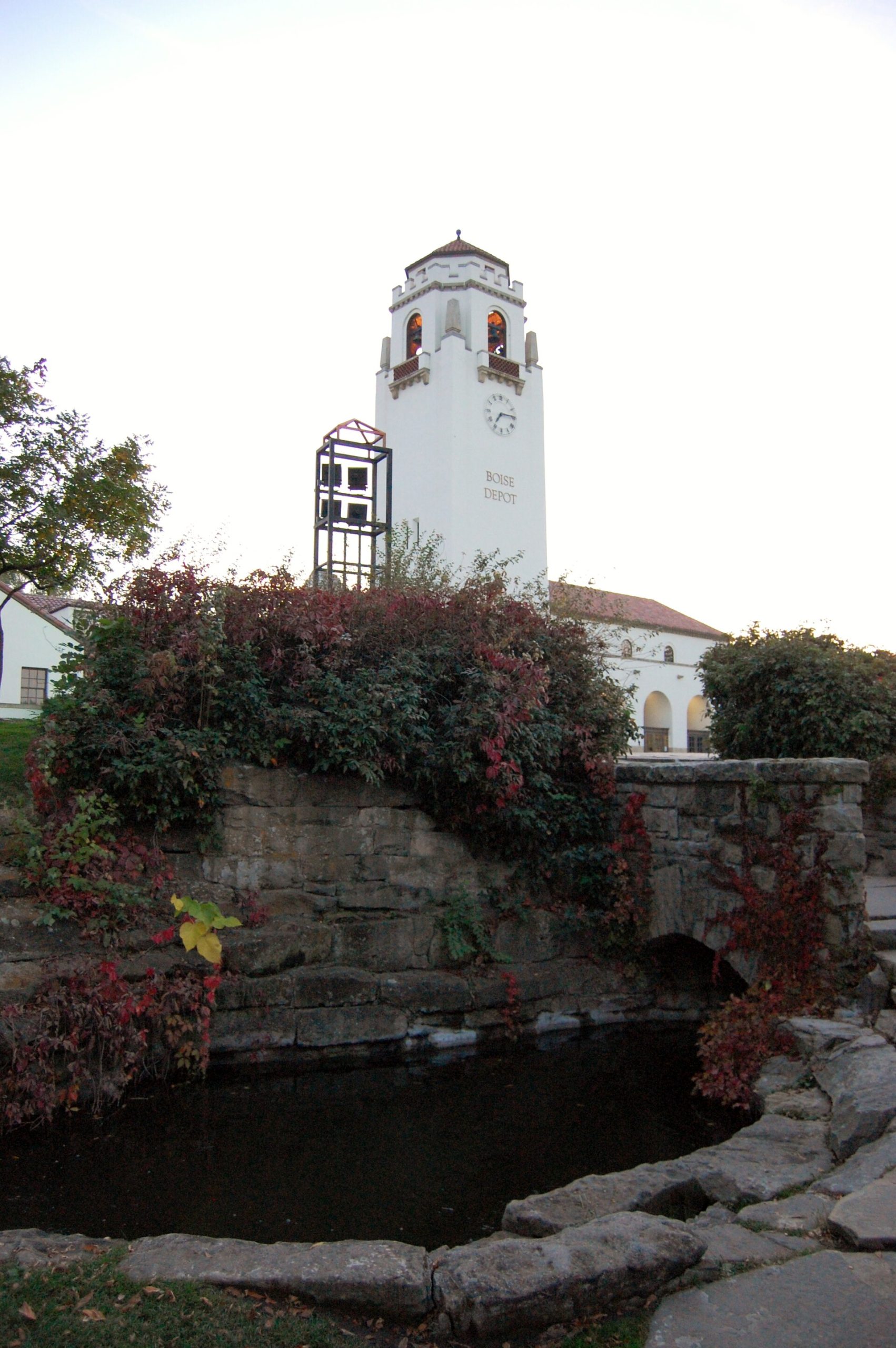
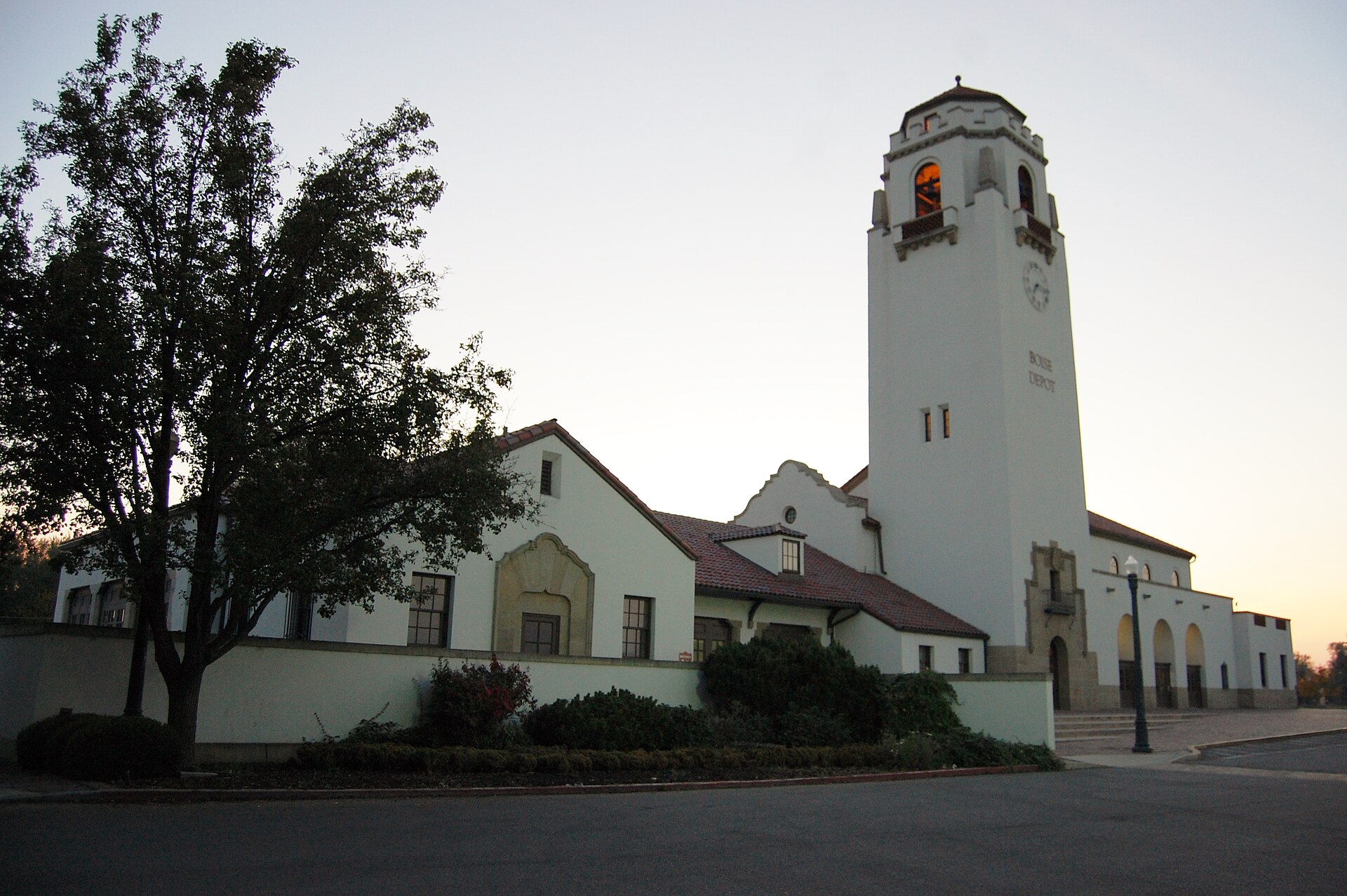
Parking structures and metered blocks are distributed roughly around downtown’s institutional anchors — the stretch near Capitol Boulevard, the area around the Boise Train Depot and Platt Gardens, and the blocks near the Ada County Courthouse. A fuller sense of how these pieces sit together is covered in the broader practical planning hub for getting around the city, and in the Getting Around archive, which collects transport-focused guides for the wider Boise area. For a sense of how downtown fits against the city’s other districts, the Neighbourhoods archive is the wider reference point.
What’s the single most reliable source for current rates?
The City of Boise’s own parking services pages remain the only authority that should be treated as current. Anything printed here about hours, prices or which specific garage is open on a given day is likely to be out of date within months — the durable fact is the shape of the system: metered streets, city-owned garages, event-driven exceptions, and enforcement that eases outside business hours. The changeable detail belongs to the city’s own site, checked on the day it’s needed.
Access Boise is an independent guide written from published, checkable sources. We have not visited the places described here and we do not publish personal recommendations or invented ‘local favourites’ — where something is singled out as notable, we say who says so. Opening times, fares, closures and prices change at short notice, so treat everything here as a starting point and confirm with the museum, operator or venue directly before building a day around it. We give no advice on visas, insurance, health or safety; use your own government’s official guidance for those.
Featured image: Photo by Roman Eugeniusz, source, CC BY-SA 3.0
.jpg)