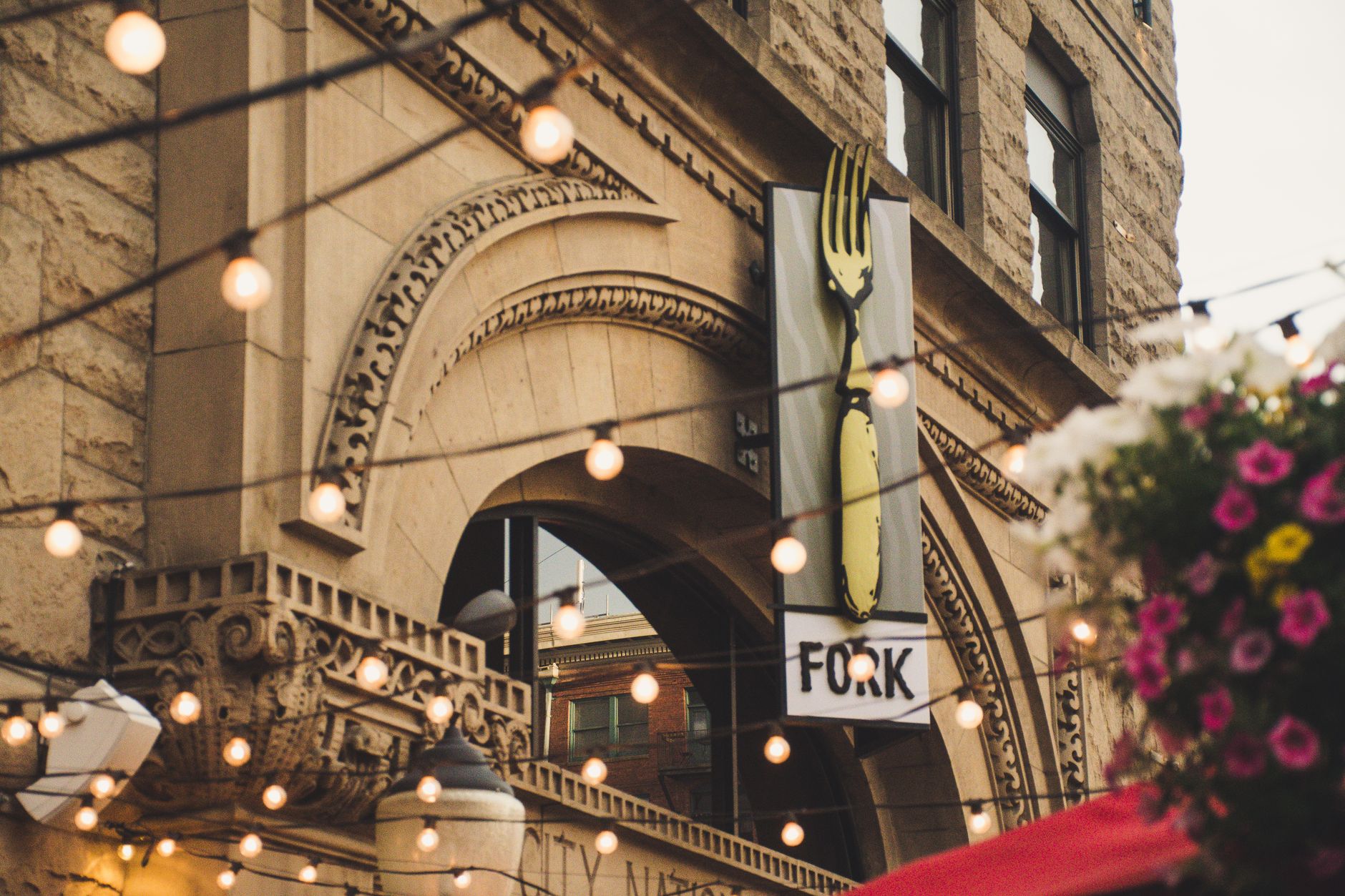
Capital City Public Market is the original, formal name for downtown Boise’s weekly open-air market on 8th Street. It began in the 1990s as part of downtown Boise’s redevelopment and for years operated under that name before rebranding as the Boise Farmers Market, which is the name most commonly used today for the same Saturday market in the same location.
Is Capital City Public Market the same thing as the Boise Farmers Market?
Yes. Capital City Public Market and Boise Farmers Market refer to the same seasonal Saturday market held on 8th Street in downtown Boise. Capital City Public Market was the market’s founding name, tied to its origins as a project of downtown redevelopment; Boise Farmers Market is the name under which it now markets and schedules itself publicly.
Readers who need current days, hours, and seasonal schedule should see what the Boise Farmers Market is and when it runs, since that kind of detail changes year to year and is best confirmed directly with the market rather than fixed in an article about its identity.
Where does the market actually take place?
The market runs on 8th Street in the core of downtown Boise, in the blocks that form the pedestrian spine of the district — the same corridor covered in a walking route through downtown Boise. On market days, the street closes to vehicle traffic and stalls line the block, turning what is normally a through-street for cars into a pedestrian market corridor for the day.
That closure is one of the more visible examples of how downtown Boise periodically converts street space to foot traffic, a pattern also discussed in coverage of why downtown Boise has so many one-way streets and how the grid is used. The market sits close to Capitol Boulevard, the axis that connects the Idaho State Capitol to the Boise River, placing it near the geographic and civic center of downtown rather than on its edge.
Who organizes the market?
The name Capital City Public Market points directly to its origin: Capital City Development Corporation (CCDC), Boise’s urban renewal agency, which has led redevelopment of downtown Boise for decades. CCDC’s own materials on downtown Boise’s redevelopment describe public markets and street-level activation as part of its broader mandate to bring foot traffic and public life back to the district’s core.
Over time, day-to-day operation and public branding of the market shifted toward the market itself operating as a standalone, publicly facing entity under the Boise Farmers Market name, while the historical link to CCDC and downtown’s redevelopment period remains part of how the market is documented. Readers researching the market’s history or its role in downtown planning will find the Capital City Public Market name in older civic and planning references even where current market materials use the newer name.
What kind of vendors does the market have?
The market’s own descriptions of itself, consistent with how public markets of this type are typically structured, group vendors into a few recurring categories:
- Idaho growers selling seasonal produce, the backbone of any market using the word “farmers.”
- Prepared food vendors selling ready-to-eat items for on-site eating, distinct from the sit-down restaurants covered in Access Boise’s food and drink coverage.
- Craft and artisan vendors selling goods not tied to a growing season — a category common to public markets generally and one that lets the market continue to draw crowds outside peak harvest months.
- Live music and street performance, a standard feature of the market days and part of what distinguishes the event from an ordinary retail street.
Because the mix includes non-food vendors, the market functions as more than a grocery stop. It behaves, on the day it runs, as a public gathering point for the district — closer in function to a plaza event than a conventional shopping trip.
Is the market seasonal or year-round?
Public markets of this kind in Boise typically run on a seasonal schedule, with an outdoor season through the warmer months and a reduced or indoor presence, if any, during winter. Specific start and end dates, along with any winter market arrangement, are the kind of detail that shifts year to year and is confirmed directly by the market rather than fixed here.
The broader seasonal shape of Boise itself — when downtown is at its busiest, and when weather changes what a Saturday outdoors actually feels like — is covered in when the best time of year to visit Boise actually is and in the site’s separate accounts of Boise summer heat and what a Boise winter is actually like, both of which shape how a Saturday market day plays out depending on the month.
How does the market fit into downtown Boise as a district?
Downtown Boise’s boundaries and character are described in more detail in what actually counts as downtown Boise, and the market sits well inside that core rather than at its margin. Its placement on 8th Street ties it to the same walkable grid that holds the Idaho State Capitol, the historic commercial blocks, and the pedestrian routes covered in which parts of Boise actually work on foot.
For a visitor building a day around downtown, the market functions as one anchor point among several rather than a stand-alone destination — a natural stop on a walking day that might also take in the Basque Block a few blocks away, or Grove Plaza’s public events on non-market days.
Does the market matter to residents, or mainly to visitors?
It matters to both, for different reasons. For residents, a weekly market on a closed downtown street is a recurring fixture of the calendar — a place to buy Idaho produce directly from growers, a reason to be downtown on a Saturday rather than in a car headed elsewhere, and one of the more visible signs of how downtown Boise has been deliberately rebuilt around pedestrian activity since the redevelopment era that gave the market its original name.
For visitors, it is one of the more legible ways to see how the city organizes public space on a given day: a street that carries traffic all week converted, on schedule, into a market corridor. That pattern — streets, plazas and corridors doing different jobs depending on the day and season — recurs across downtown Boise and is part of the broader picture in Access Boise’s guide to what living in Boise is actually like and in the practical planning covered at Access Boise’s hub on getting around and planning a Boise day.
What should a reader confirm before planning around the market?
Because the market’s schedule, exact vendor lineup and any winter arrangement change from year to year, readers should treat this article as an explanation of what the market is and where it came from, not as a current schedule. For dates, hours and seasonal changes, the operator’s own current materials are the only reliable source, and the companion piece on when the Boise Farmers Market runs is the place to check before building a Saturday around it.
Access Boise is an independent guide written from published, checkable sources. We have not visited the places described here and we do not publish personal recommendations or invented ‘local favourites’ — where something is singled out as notable, we say who says so. Opening times, fares, closures and prices change at short notice, so treat everything here as a starting point and confirm with the museum, operator or venue directly before building a day around it. We give no advice on visas, insurance, health or safety; use your own government’s official guidance for those.