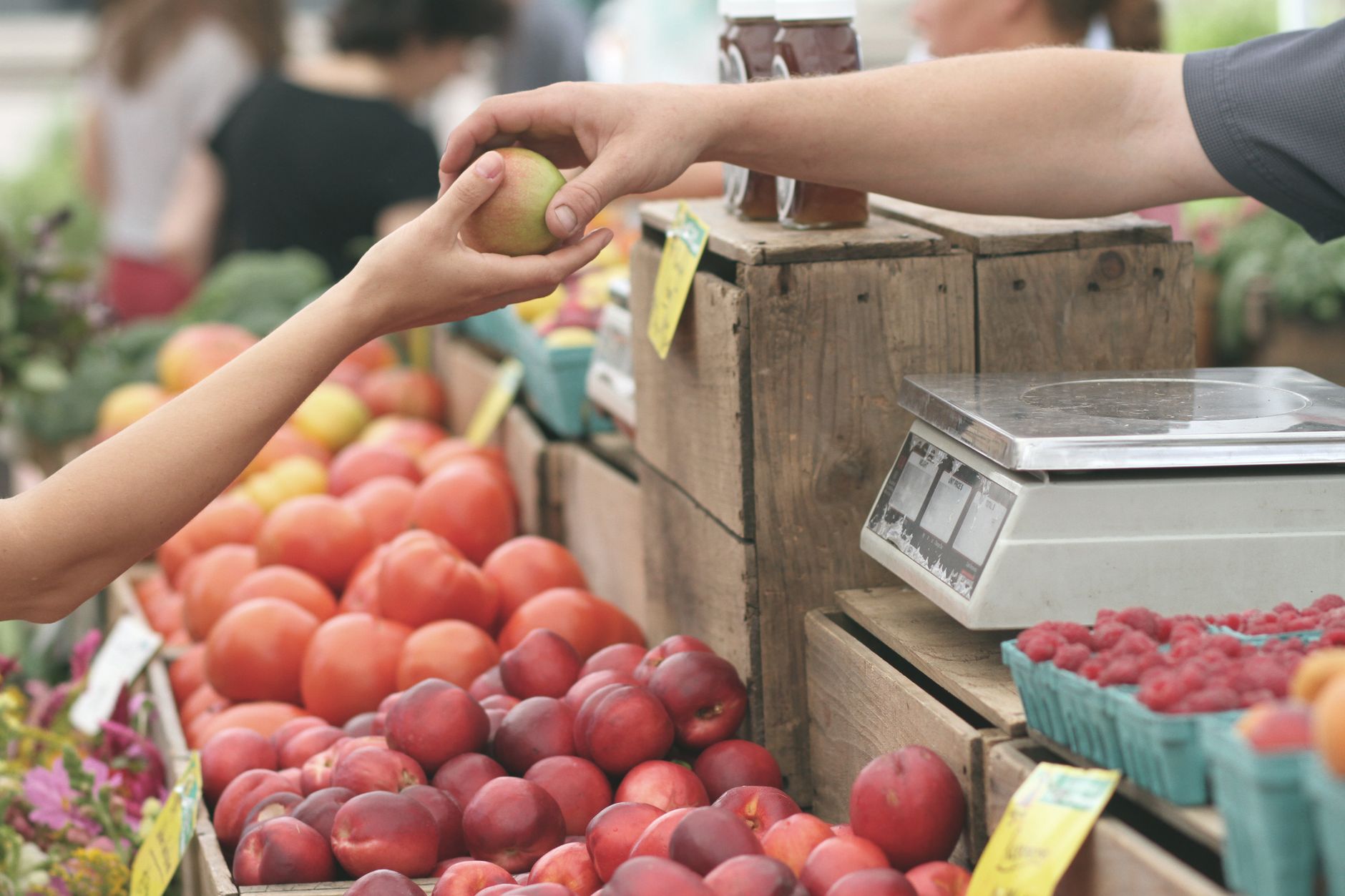
The Boise Farmers Market is the common name for Capital City Public Market, a weekly outdoor market held on a closed-off street in downtown Boise. It runs on Saturdays for most of the year, with a shorter, colder-weather version in some years, and it is organized by the city’s urban renewal agency rather than a private company.
What is the Boise Farmers Market, officially?
Its formal name is Capital City Public Market. It is a curated outdoor market of local farms, food producers, prepared-food vendors and craft sellers, set up along a stretch of downtown street closed to vehicle traffic for the day. It is organized by Capital City Development Corporation (CCDC), Boise’s urban renewal agency, which manages several of downtown’s public spaces and redevelopment districts. That civic sponsorship is part of what distinguishes it from a private pop-up market — it operates as a piece of downtown’s public programming, similar in spirit to how the agency also manages plazas and streetscape projects elsewhere in the core.
Where does the market take place?
It sets up on 8th Street in downtown Boise, in the blocks near the Grove and the historic commercial core, with the street closed to cars for the market’s hours. This puts it inside the same compact downtown grid covered by the site’s walking route through downtown Boise, and within the boundaries described in the site’s guide to downtown Boise’s boundaries. It is walkable from most of the surrounding blocks, which matters for anyone weighing whether to drive in at all.
When does it run — what season, what day?
The market runs on a seasonal pattern rather than year-round: a long Saturday season roughly from spring through the end of the calendar year, shifting to a smaller, sometimes indoor or reduced winter schedule once the weather turns. Exact start and end dates move slightly from year to year, so the market’s own published schedule, not a fixed date remembered from a previous season, is the thing to check before planning a visit.
Within that season, hours are also set by the organizer and can shift with daylight and demand. Because these operational details — start dates, closing dates, weekly hours — are the kind of thing that changes annually, this article deliberately does not attach specific figures to them. Confirm current hours and the season’s open and close dates on the market’s own site or CCDC’s public listings before building a plan around it.
What is actually sold there?
Markets of this kind, and public descriptions of Capital City Public Market, describe a mix of:
- Fresh produce from regional farms, weighted toward what is in season in the Treasure Valley
- Prepared food and food trucks or stalls selling ready-to-eat items
- Baked goods, coffee, and specialty foods
- Local crafts, art and handmade goods from Idaho makers
- Occasional live music or busking, common to street markets of this scale
This is not a farm stand in miniature — it functions closer to a mixed street market, with food-to-eat-now sitting alongside food-to-take-home. Readers curious about what recurs on Boise’s food scene more broadly can cross-reference the site’s notes on the finger steak, a dish specific to the Treasure Valley, and on Basque food in Boise and which dishes recur, since both traditions surface in the city’s food-vendor culture more broadly, if not necessarily at this specific market.
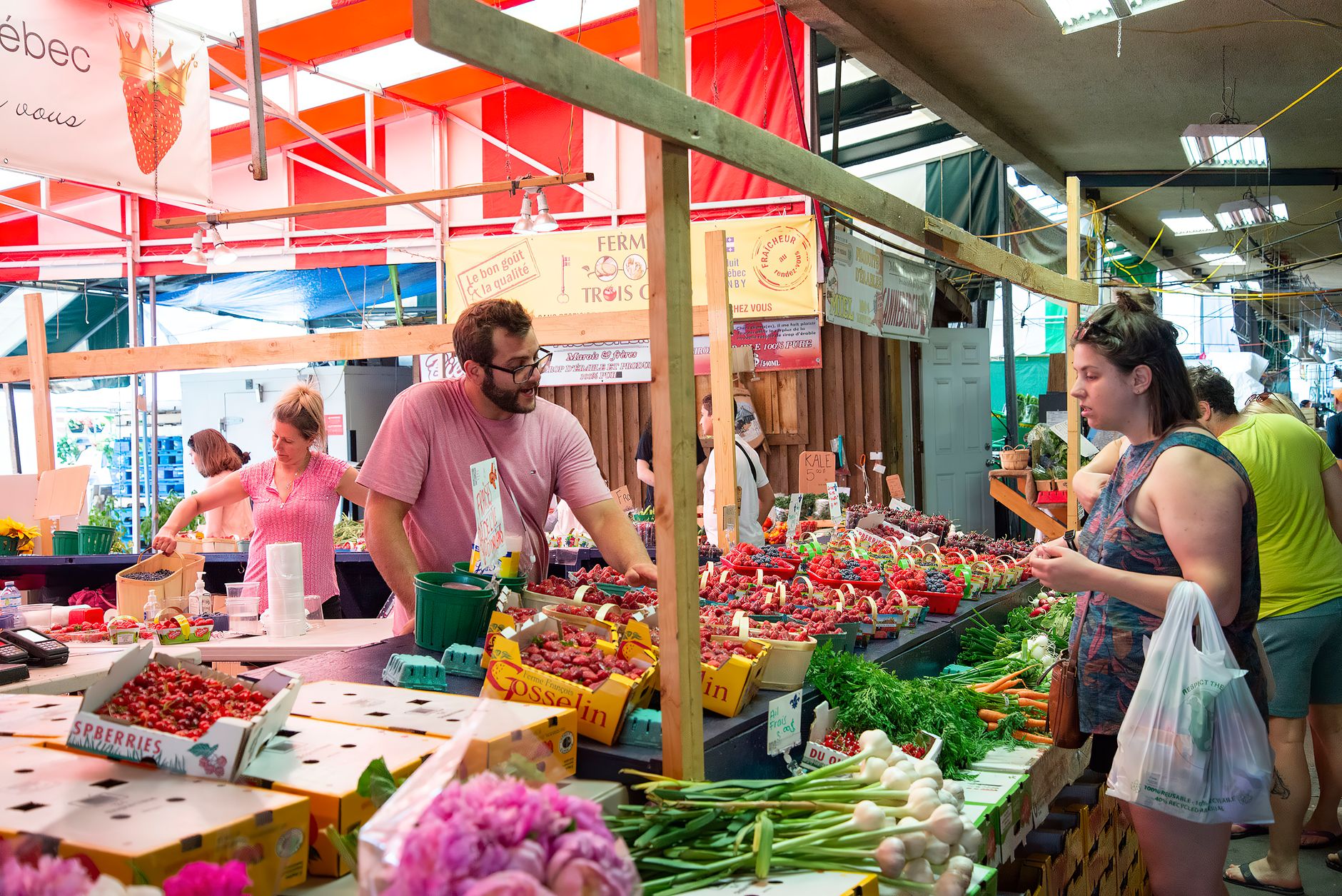
Who organizes it, and is there a cost to attend?
CCDC organizes and permits the market as part of its downtown public-space programming; vendors apply and pay to participate, but walking through the market as a shopper does not carry an entry fee — it operates as an open street event, not a ticketed one. That said, CCDC’s own materials and the market’s published vendor policies are the authoritative source on any procedural detail — vendor fees, application rules, or changes to the market’s footprint — rather than assumptions carried over from other cities’ farmers markets.
Is there a winter version of the market?
Some seasons have included a scaled-back winter iteration, often moved partly or fully indoors given Boise’s cold-season weather, though the exact format has varied by year rather than being a fixed institution. Anyone planning a winter visit around the market should treat this as unconfirmed until checked directly, and should also read the site’s explanation of what a Boise winter is actually like, since cold snaps and the valley’s inversion pattern do affect outdoor street events.
How does a resident use this market differently than a visitor?
For a visitor, the market functions as a single Saturday stop inside a downtown itinerary — a way to see a slice of the city’s food and craft economy in one place without a car. For someone who lives in Boise, it functions more like a recurring weekend errand: a source for seasonal produce, a rotating set of food vendors, and a predictable social gathering point that shapes downtown foot traffic on market Saturdays specifically. Longtime residents also tend to track which vendors are seasonal regulars versus one-off appearances, information that is not really available to a first-time visitor and that only shows up by attending across a season. The site’s broader look at what it is actually like to live in Boise covers this kind of week-to-week civic rhythm in more depth.
How do you get there, and where do you park?
Because the market closes 8th Street to vehicles, driving directly to the market site is not an option during market hours — the practical approach is to park in a downtown garage or lot within a few blocks and walk in. The site’s guide to how downtown Boise parking actually works covers the mix of metered street parking, garages and lots that ring the closed-off blocks. Downtown Boise generally scores well for walking once a visitor is inside it, a point covered in the site’s assessment of which parts of Boise are actually walkable, and the market sits well within that walkable core.
What else sits near the market worth knowing about
The market’s downtown location puts it within a few blocks of most of the city’s dense concentration of civic buildings, museums and historic blocks, rather than in an outlying district. Readers building a broader day around the market — rather than treating it as a single errand — can use the site’s practical hub for getting around, planning and food in Boise as a starting point, and the Food & Drink archive for more on what recurs across the city’s restaurants, markets and food traditions beyond this one weekly event.
The short version
The Boise Farmers Market — Capital City Public Market — is a CCDC-organized Saturday street market on 8th Street downtown, running a long spring-through-December season with a smaller, sometimes indoor winter presence in some years. It sells produce, prepared food, and crafts, costs nothing to walk through, and sits inside Boise’s walkable downtown core. Exact dates and hours change annually and should be confirmed on the market’s own published schedule rather than assumed from a prior year.
Access Boise is an independent guide written from published, checkable sources. We have not visited the places described here and we do not publish personal recommendations or invented ‘local favourites’ — where something is singled out as notable, we say who says so. Opening times, fares, closures and prices change at short notice, so treat everything here as a starting point and confirm with the museum, operator or venue directly before building a day around it. We give no advice on visas, insurance, health or safety; use your own government’s official guidance for those.