A day in Boise without a car works well downtown, along the river, and in the neighborhoods that ring the city center, all of which sit within a compact, walkable core. It gets harder once the plan includes the foothills, Bogus Basin, or the suburbs, which are built for driving and only partly served by transit.
Is Boise walkable enough to spend a whole day on foot?
Yes, for the downtown core and its immediate neighborhoods. Boise’s grid downtown is compact and flat, and several adjoining districts — the North End, the East End, the Basque Block — are within a 20 to 30 minute walk of each other. A detailed breakdown of which parts of the city function this way, and which don’t, is covered in Is Boise Walkable? Which Neighborhoods Work on Foot.
Downtown Boise’s own boundaries are loosely defined by the Boise River to the south, the Connector (Interstate 184) to the west, and the foothills-facing streets to the north — a footprint explained in what counts as downtown Boise. Everything inside that footprint is realistically car-free.
How do you get downtown from the airport without a car?
Boise Airport (BOI) sits a few miles south of downtown, and getting from the terminal into the city center without driving means using a taxi, rideshare, or the public bus route that connects the airport to downtown, depending on schedule. The airport’s own site and Valley Regional Transit’s route pages are the sources to check before travel, since schedules change. The mechanics of this trip — distance, options, and what doesn’t run late — are laid out in What Is Boise Airport, and How Do You Get to Town?
What can a car-free day downtown actually cover?
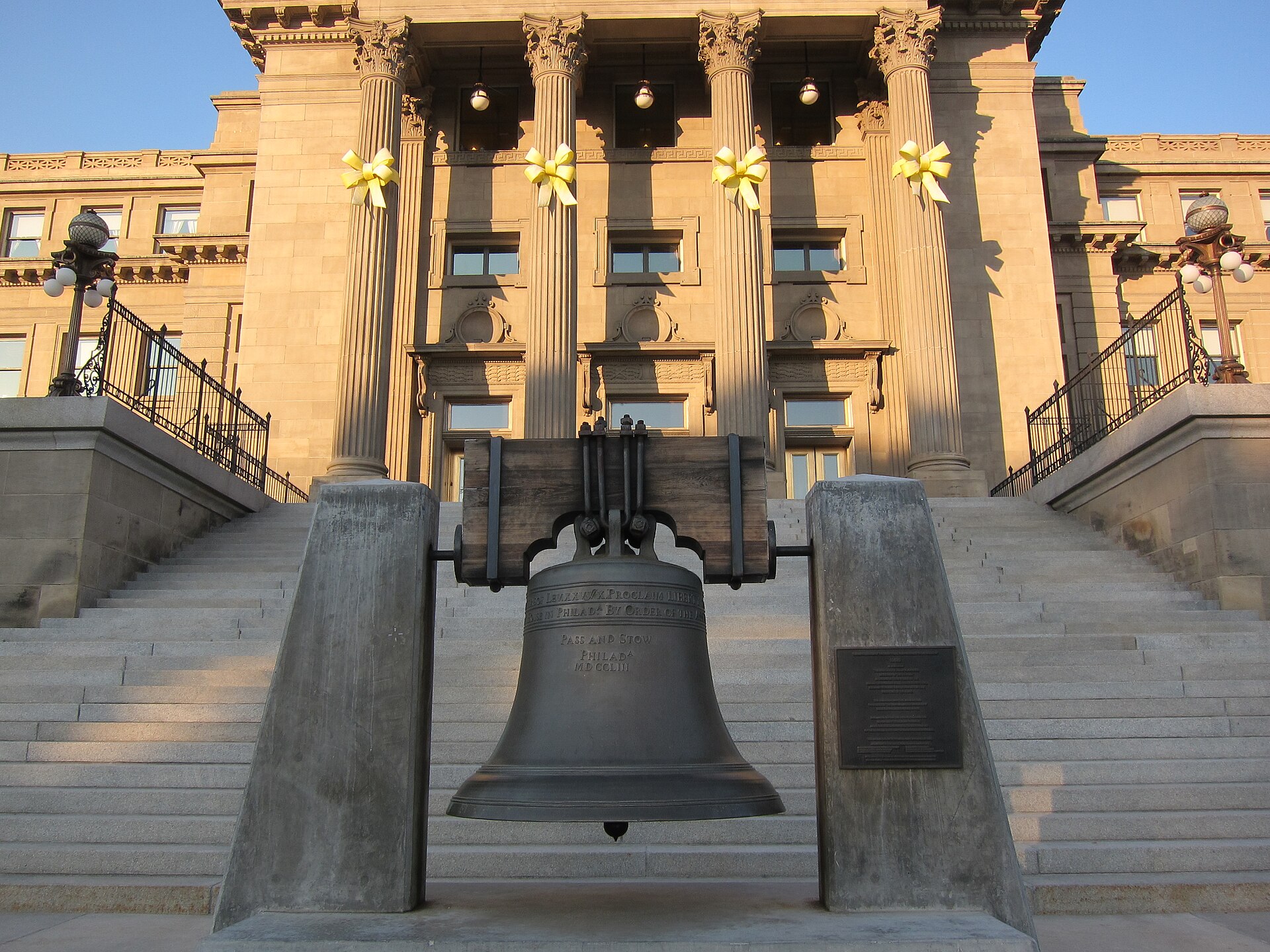
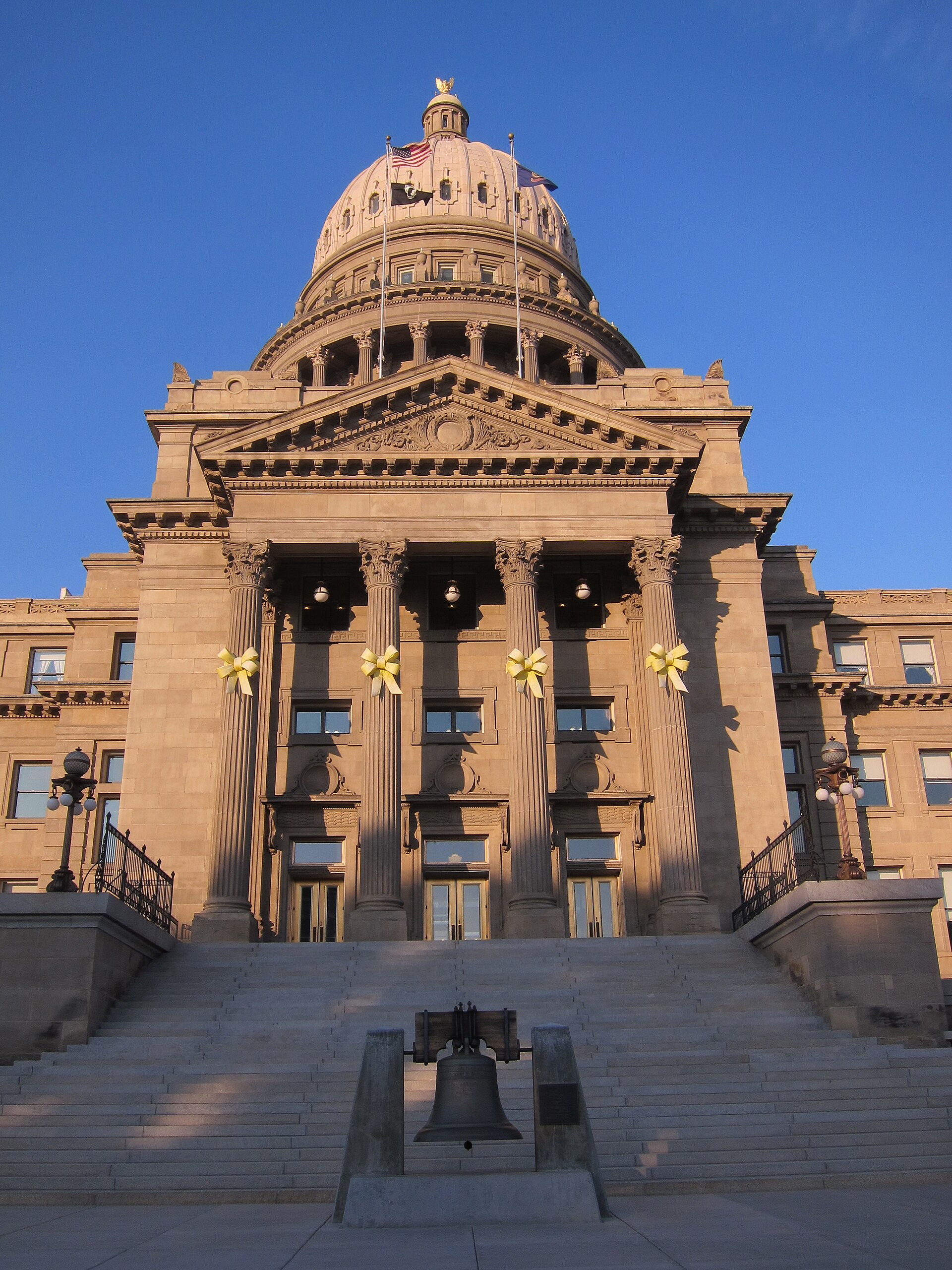
Enough that most visitors don’t need a vehicle at all for a single day. Boise’s downtown holds the Idaho State Capitol, the Basque Block, Grove Plaza, the historic Egyptian Theatre, and the Boise Art Museum’s collection in Julia Davis Park, all within walking distance of each other. A landmark-by-landmark route through this footprint is mapped in A Walking Route Through Downtown Boise, Landmark by Landmark, and the National Park Service and the Idaho State Historical Society are among the bodies that document individual sites along it, including the Basque Block’s own listing.
The Basque Museum and Cultural Center, which the National Park Service references as anchoring the block, sits directly on this walkable stretch; a fuller account of its collection is at the Basque Museum & Cultural Center’s collection.
Can the Greenbelt substitute for a car within the city?
Largely yes for anyone heading along the river corridor. The Boise Greenbelt is a paved, mostly flat path running roughly 25 miles along the Boise River, connecting Julia Davis Park, the Old Idaho Penitentiary grounds, and several residential neighborhoods without touching a road for long stretches. Whether it functions as a genuine commuting or day-trip route, rather than just a recreational one, is examined in Can You Use the Boise Greenbelt to Commute? A Straight Answer.
Walking or cycling the Greenbelt east from downtown reaches the Old Idaho Penitentiary and the Idaho Botanical Garden, both sited on the former penitentiary grounds and documented by the Idaho State Historical Society, which operates the penitentiary site. Details on what the grounds hold are at the Idaho Botanical Garden’s location on the old penitentiary grounds.
.jpg)
What does Valley Regional Transit actually cover?
Valley Regional Transit operates the fixed bus routes serving Boise and the wider Treasure Valley, running on a fare structure and schedule set by the agency itself, not by any third party. Route density is highest downtown and along major corridors like State Street and Broadway, and considerably lower toward the outer suburbs. A route-by-route explanation of where the network actually reaches is in What Is Valley Regional Transit, and Where Does the Bus Go?, and current fares and timetables should be confirmed on Valley Regional Transit’s own site, since both are subject to change.
For a single day in the city, the bus is most useful for reaching destinations just outside comfortable walking range — the Boise State University campus area, for instance, or outer stretches of the Bench — rather than as a primary way of moving through downtown itself, where walking is usually faster.
What about bikes and scooters instead of a bus?
Boise has operated dockless e-scooter and bike-share programs through the city’s own permitting system, giving a car-free visitor a way to cover distances a bit beyond comfortable walking range, such as reaching the North End or the Boise State campus. What’s currently available, and how the pricing generally works, is covered in Boise’s E-Scooter and Bike-Share Options, Explained. Because operators and coverage areas change, the reader should check current availability rather than assume a program from a prior visit still runs the same way.
Cycling more broadly is a genuine option for a car-free day, particularly given the flat downtown grid and the Greenbelt’s connections; the city’s cycling infrastructure and its limits are assessed in How Good Is Cycling in Boise? A Straight Answer.
Can you reach the foothills or Bogus Basin without a car?
This is the weak point of a car-free day in Boise. Bogus Basin, the city’s nearest ski area, sits up a mountain road with no fixed transit route running to it year-round, and reaching it without a personal vehicle generally means a seasonal shuttle, a rideshare, or an organized trip, none of which should be assumed available without checking first. The realistic options, and the road itself, are detailed in Getting From Boise to Bogus Basin Without a Car and How to Get to Bogus Basin, and What the Road Is Like.
Table Rock and the lower foothills trailheads, by contrast, are reachable on foot or by bike from the East End and North End, though the climb is real and the trailheads themselves have limited or no transit service — something to weigh against a single day’s time budget.
Does the season change what’s possible without a car?
Yes, meaningfully. Summer heat affects how much walking is comfortable in the middle of the day, a pattern explained in What Is a Boise Summer Actually Like?, while winter brings the temperature inversions that can trap cold, stagnant air over the valley for days at a stretch, covered in What Is Boise’s Winter Inversion, and Why Does It Matter?. Both affect how much of a car-free day is spent outdoors versus inside museums and covered spaces, and both are worth checking against the calendar before planning a walking-heavy itinerary.
Is a car-free day in Boise a realistic plan, overall?
For a single day centered on downtown, the river corridor, and adjoining walkable neighborhoods, yes — the distances are short and the infrastructure, while not extensive, covers that footprint adequately. For a day that also wants the foothills or Bogus Basin, a car or an arranged ride becomes close to necessary. The broader question of whether a car is needed for a Boise stay generally, beyond a single day, is addressed directly in Do You Need a Car in Boise, Honestly? A Straight Answer, which is a useful companion to this narrower, single-day version of the same question.
Access Boise is an independent guide written from published, checkable sources. We have not visited the places described here and we do not publish personal recommendations or invented ‘local favourites’ — where something is singled out as notable, we say who says so. Opening times, fares, closures and prices change at short notice, so treat everything here as a starting point and confirm with the museum, operator or venue directly before building a day around it. We give no advice on visas, insurance, health or safety; use your own government’s official guidance for those.
Featured image: Photo by Roman Eugeniusz, source, CC BY-SA 3.0
.jpg)