There is no year-round public bus to Bogus Basin. In winter, the ski area itself operates a seasonal shuttle from pickup points in Boise, run by Bogus Basin Mountain Recreation Area — a nonprofit that owns and operates the hill. Outside that shuttle’s schedule, the practical options are a rideshare, a carpool, or — for the fit and determined — a bicycle up Bogus Basin Road.
What is Bogus Basin, and how far is it from Boise?
Bogus Basin sits in the foothills north of the city, roughly 16 miles from downtown Boise by road, reached via Bogus Basin Road, which climbs out of the North End through the foothills. Bogus Basin’s own site describes the area as a nonprofit ski and recreation operation, distinct from the resorts run by private companies elsewhere in Idaho — a structure that shapes how it prices lift tickets and how it funds transport programmes.
The road itself is a mountain road with real elevation gain, switchbacks, and winter conditions that can include ice and snowpack even when downtown Boise is clear. That single fact explains almost everything about why getting there without a car is a genuinely different problem than getting around inside the city.
Does Bogus Basin run its own shuttle?
Yes, seasonally. Bogus Basin’s own site describes a winter shuttle service that runs from designated pickup locations in the Boise area up to the mountain, intended largely for skiers and riders during the operating season. Because this is a seasonal service tied to snow conditions and the ski area’s own operating calendar, routes, stops, frequency and fares are set fresh each winter and should be confirmed directly on Bogus Basin’s own site before planning around them.
This is the single most reliable answer to “how do I get up there without driving” for anyone visiting or living in Boise during ski season. It is not, however, a general-purpose transit line — it exists to move people to and from the ski hill, on a schedule built around lift operating hours, not a fixed public transit timetable.
Does Valley Regional Transit go to Bogus Basin?
Valley Regional Transit, the agency responsible for public bus routes across Ada and Canyon counties, operates fixed routes within Boise, Meridian, Nampa and neighboring communities, as described on the bus network overview for the area. Its regular fixed routes do not extend up Bogus Basin Road to the ski area itself.
Riders sometimes conflate the ski area’s own seasonal shuttle with the wider VRT network because both serve the same broad task — moving people without cars around the Boise area — but they are separately operated services with separate schedules. Anyone trying to combine a VRT bus into town with a ride up to Bogus Basin should treat the two as separate legs with separate timetables to check.
Can you get there by rideshare or taxi?
Rideshare and taxi services operate in the Boise area and can be booked to Bogus Basin Road destinations, subject to the same winter driving conditions that affect any private vehicle on that route. Neither this site nor the rideshare platforms control road conditions on Bogus Basin Road, and drivers may decline trips in heavy snow or ice regardless of what a booking app shows as available.
This is worth stating plainly for visitors without their own transport: a rideshare up a mountain road in winter is not equivalent to a rideshare across a flat city grid. Anyone relying on this option should build in flexibility, and should not assume a return trip down the mountain late at night will be as easy to arrange as the trip up.
Can you cycle up Bogus Basin Road?
Bogus Basin Road is a paved climb used by road cyclists based in Boise, particularly outside winter months, and it appears in general assessments of cycling conditions around the city, discussed in more detail in the site’s own look at how good cycling actually is in Boise. It is not a bike path or a protected route — it is a public mountain road shared with vehicle traffic, with a sustained grade and no shoulder for much of its length.
This makes it a genuine option for a fit cyclist attempting the climb as a ride in its own right, but not a realistic way to transport skis, boots and winter layers for a day at the ski area. Anyone treating it as commute infrastructure to the hill itself should recognise it functions more as a cycling route than a transit corridor.
What about combining the airport, downtown, and the shuttle?
Visitors arriving without a rental car typically land at Boise Airport, get into the city core by the methods described in the site’s guide to getting from Boise Airport into town, and then need a second, separate arrangement to reach Bogus Basin. There is no single through-ticket covering airport to ski hill; it is airport-to-downtown, then downtown (or a designated pickup point) to the mountain via the seasonal shuttle, rideshare, or a private transfer.
This two-stage structure is common in smaller regional cities where a ski hill sits close to town but is operated independently of the municipal transit network. It is worth planning around explicitly rather than assuming a single connection exists.
Does this change for people who live in Boise year-round?
Residents with season passes typically either drive themselves, carpool informally, or rely on the same seasonal shuttle used by visitors, since it is generally priced and scheduled with regular skiers in mind as much as day-trippers. The broader question of whether a car is necessary for daily life in Boise — as opposed to specifically reaching the ski hill — is addressed directly in the site’s own assessment of whether you need a car in Boise at all, which treats Bogus Basin access as one factor among several, not the deciding one.
For someone living car-free in the city proper, the practical pattern that emerges is straightforward: daily errands, downtown work, and much of the Greenbelt-adjacent recreation described in the site’s Greenbelt commuting guide are genuinely manageable without a vehicle. Reaching Bogus Basin regularly through an entire winter, on the other hand, generally means either the seasonal shuttle on a consistent schedule, a carpool arrangement with other pass holders, or accepting the cost of regular rideshare trips up a mountain road.
What should a first-time visitor actually check before going?
Before planning a trip to Bogus Basin without a car, confirm three things directly on the ski area’s own site: whether the seasonal shuttle is currently running, which pickup points it uses that season, and its current schedule relative to lift opening and closing times. None of these are fixed year to year, and none should be assumed from a previous season’s information.
- Confirm shuttle operation dates and pickup points on Bogus Basin’s own site before the trip.
- Treat rideshare to the mountain as weather-dependent, not guaranteed.
- Do not plan to cycle the road as a way of carrying ski equipment.
- Build in a separate leg for getting from the airport or a hotel into whatever pickup point the shuttle uses.
For the wider context of how Boise’s transport network fits together — where the bus network reaches, how the street grid is laid out, and what the city’s own transit programmes cover — the site’s practical planning hub and the Getting Around archive lay out the rest of the system beyond this one seasonal route. The broader question of what living in the city day to day actually involves, car or no car, is covered in the Living in Boise hub.
Access Boise is an independent guide written from published, checkable sources. We have not visited the places described here and we do not publish personal recommendations or invented ‘local favourites’ — where something is singled out as notable, we say who says so. Opening times, fares, closures and prices change at short notice, so treat everything here as a starting point and confirm with the museum, operator or venue directly before building a day around it. We give no advice on visas, insurance, health or safety; use your own government’s official guidance for those.
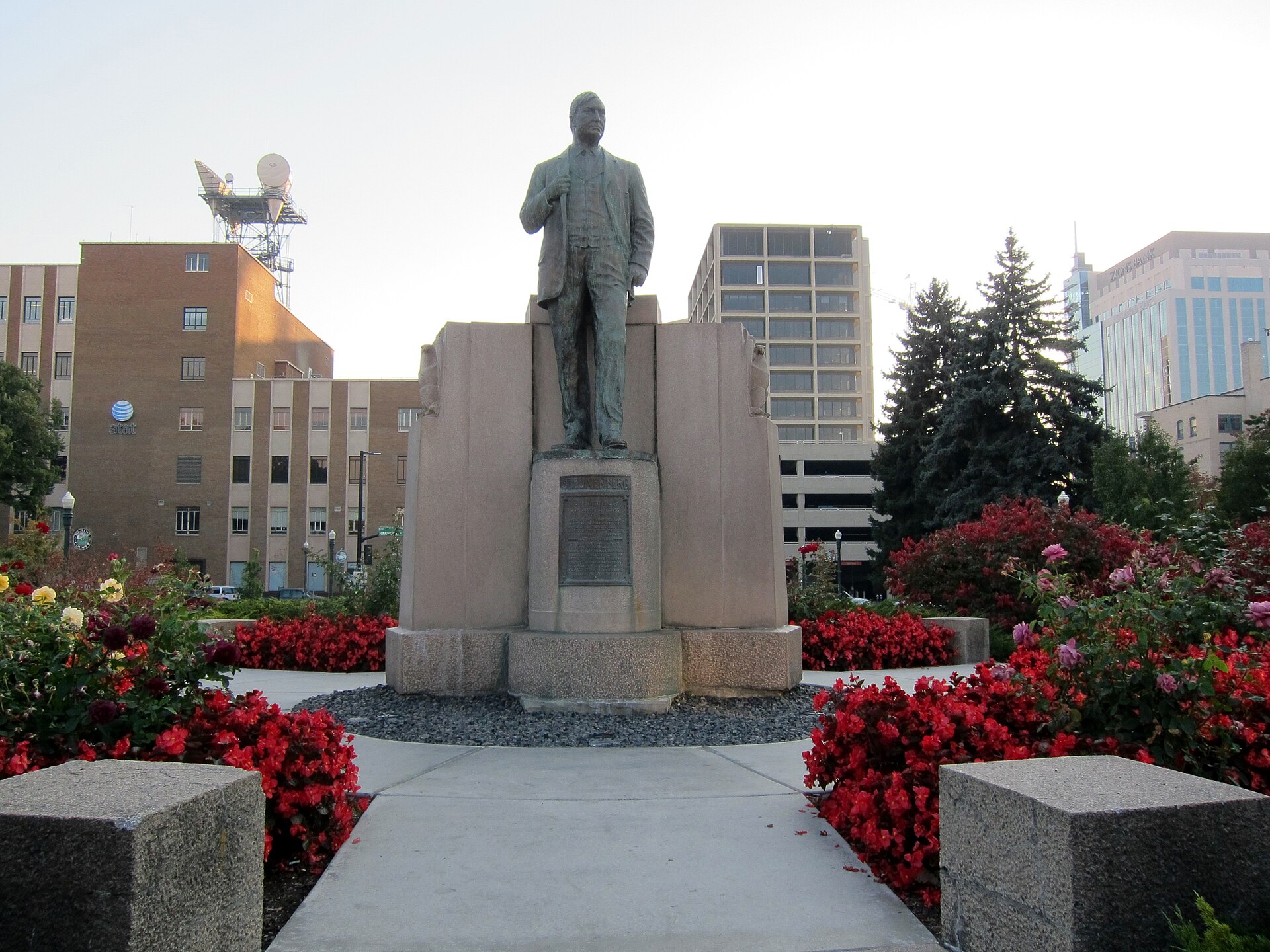
Featured image: Photo by Roman Eugeniusz, source, CC BY-SA 3.0
.jpg)