The sensible order for a first visit to Boise is: understand the grid before you move through it, spend the first stretch downtown and on the Basque Block, use the Greenbelt and river as a connector rather than a destination, and save the foothills and Capitol for whichever half of the day has the best light and least heat. Order matters here more than in most cities because the city’s shape is unusually legible once you know it.
What comes first on a first visit to Boise?
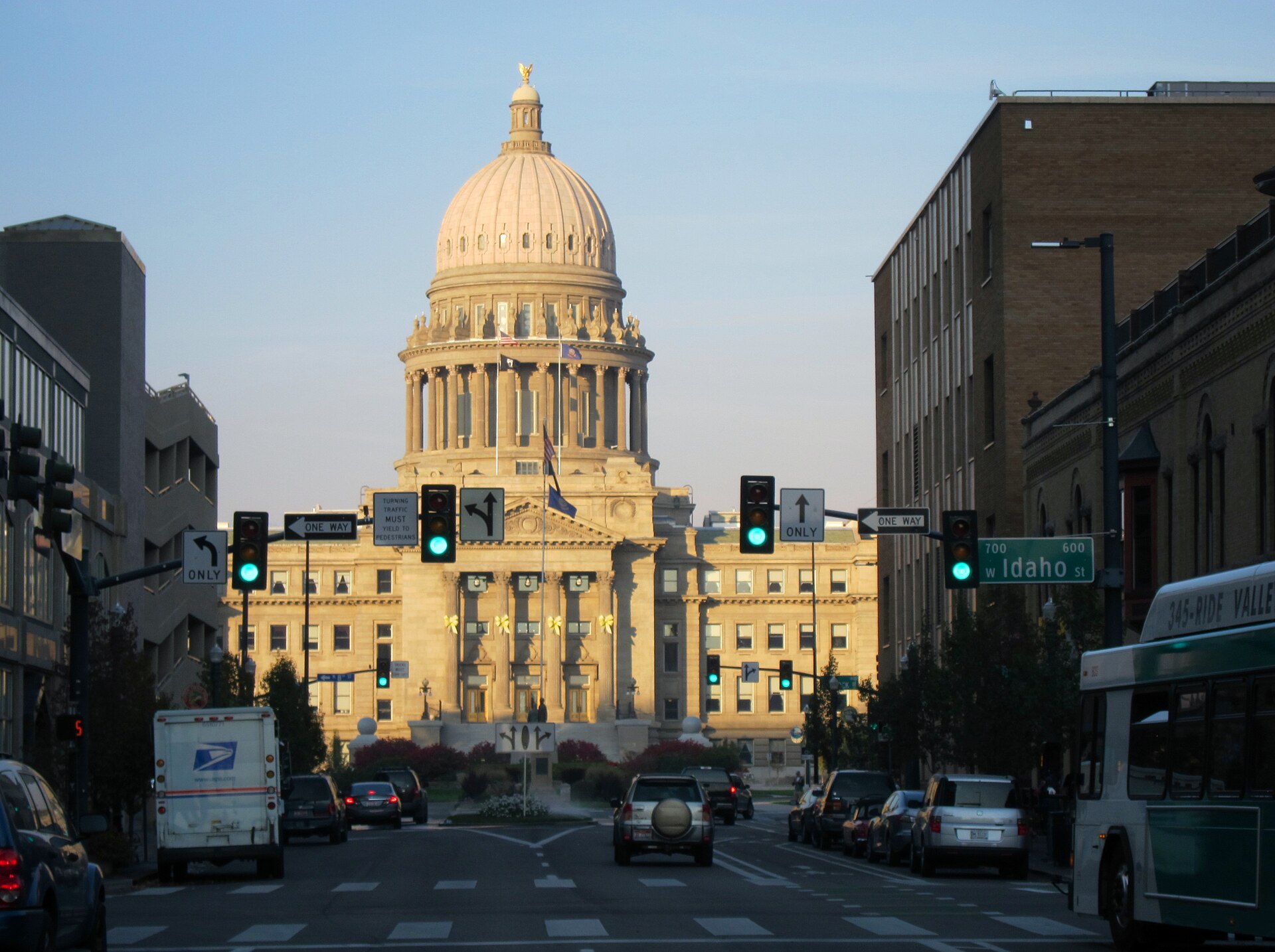
Orientation comes first, and it takes about ten minutes. Boise sits on a grid laid out along the Boise River, with numbered streets running roughly north-south and named streets running east-west through downtown. Capitol Boulevard is the spine that lines up with the Idaho State Capitol at one end and the Boise Depot on a bench above the river at the other. Once that alignment is clear, the rest of downtown stops feeling like a puzzle. The city’s own street layout and the logic behind its one-way pairs are covered in more detail in a guide to how Boise is laid out and which way its streets run, and the specific pattern of one-way streets downtown is explained separately, since it trips up more first-time drivers than any other part of the grid.
Where does downtown fit into the order?
Downtown comes early, on foot, before a car is involved at all. Boise’s downtown core is compact enough to walk in full, and it holds the highest concentration of things a first visit is actually built around: the Grove Plaza, the Egyptian Theatre, Freak Alley’s mural corridor, and the Basque Block. The boundaries of what counts as “downtown” versus adjoining districts like the East End or the Bench are not arbitrary — they’re mapped out in a dedicated piece on downtown Boise’s boundaries. Whether this whole area works without a car is answered directly in a piece on which parts of Boise are actually walkable, and the short version is that downtown is one of the few Boise districts where a car is a liability rather than a convenience.
How does the Basque Block fit into a first day?
The Basque Block sits within downtown’s walking radius and is worth visiting on the same pass, not as a separate trip. It is a single block of Grove Street recognized for its concentration of Basque cultural institutions, a legacy of the sheepherding immigration that brought a substantial Basque community to Idaho starting in the late 1800s. The Basque Museum and Cultural Center holds the block’s core collection and archival material documenting that history, and it is the primary source for anyone wanting the documented version of the story rather than the shorthand version. The block also hosts Jaialdi, a large Basque festival held periodically in Boise; the pattern and rough timing of that event, since it is not annual, is explained in a separate piece on what Jaialdi is and how often it happens.
When should the Capitol come into the sequence?
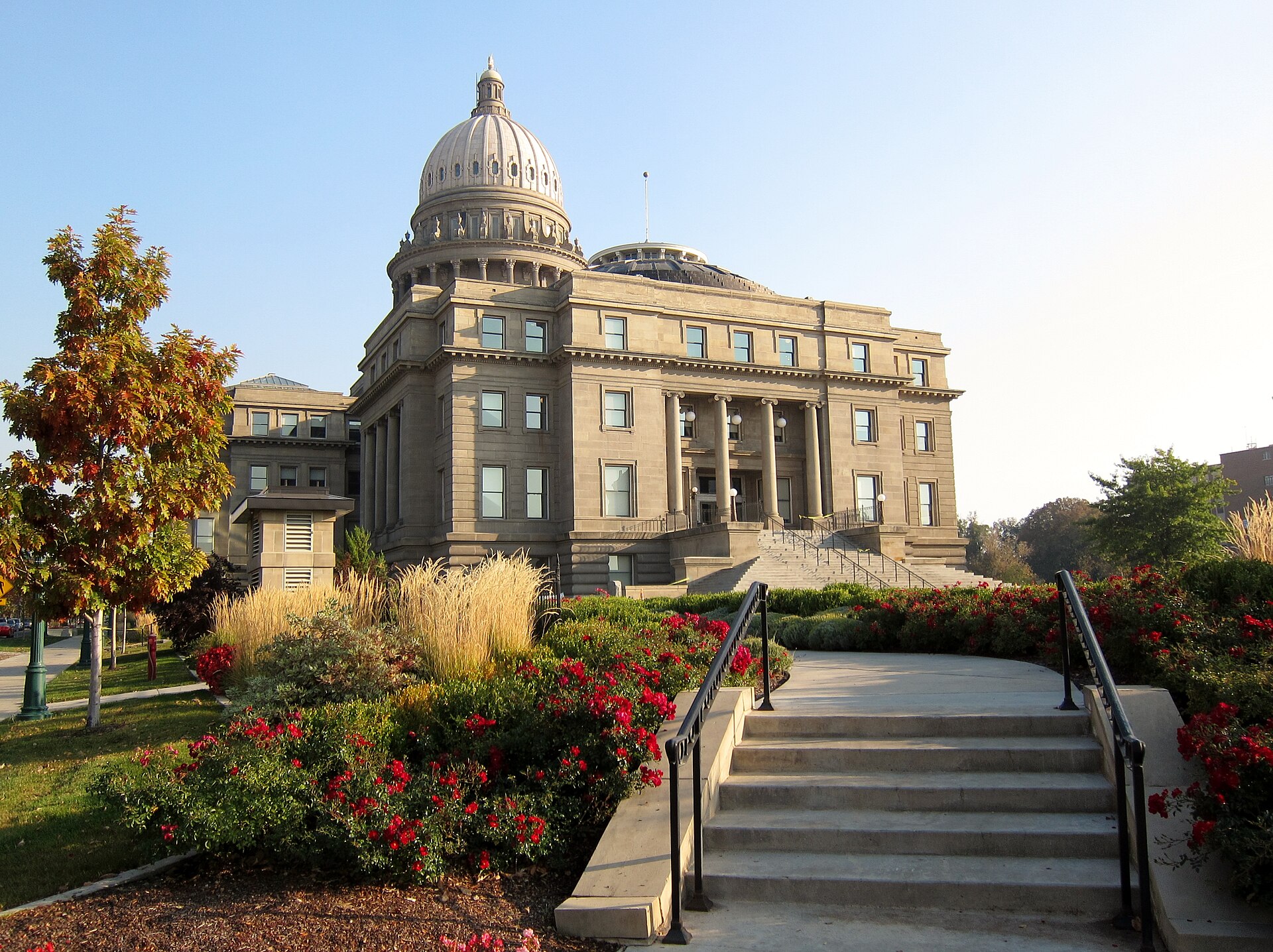
The Idaho State Capitol works well either right after downtown or as a closing stop, since it sits at the top of Capitol Boulevard and is open to the public as a state office building with a rotunda and self-guided access. The Capitol’s own site lists visiting hours and current access details, since these are set by the legislative session calendar and change year to year — durable claims aside, that’s the kind of figure worth confirming directly with the Idaho State Capitol’s own site rather than trusting a fixed number here. The building is also notable for being heated by Boise’s municipal geothermal system, one of the oldest continuously operating district geothermal systems in the country, a mechanism explained in full in a piece on how Boise’s geothermal system works and what it heats.
.jpg)
Where does the river and Greenbelt fit in?
The Greenbelt works best as connective tissue rather than a separate outing. It is a paved, roughly continuous path following the Boise River through the city, linking downtown to Julia Davis Park, the Boise Zoo, and neighborhoods further out like the Depot Bench and Bown Crossing. A first visit doesn’t need to walk or cycle the whole thing — using a short stretch of it to move between downtown and Julia Davis Park’s museum cluster covers the useful part. The city’s own parks department maintains the corridor, and its year-round function for residents — not just visitors — is covered in a dedicated piece on whether the Greenbelt can be used to commute.
When should the foothills come in?
The foothills come last, and ideally in the first or last hours of daylight rather than the middle of the day. Boise sits directly against the Boise Foothills, and trailheads reachable from the city give quick access to open sagebrush terrain with views back over the grid — useful for understanding the city’s shape from above once the street-level version is familiar. The city’s own Ridge to Rivers programme manages the trail network and publishes maps and trail conditions. Foothills timing depends heavily on the season: a summer visit needs to account for heat, covered in planning a Boise day at 100°F, while a winter visit runs into the inversion layer that traps cold, stagnant air over the valley, explained in how to plan a Boise day during the inversion.
Does the order change by season?
Yes, and this is where a first-time itinerary either holds up or falls apart. Boise’s climate is dry and high-elevation, and the practical shape of a day shifts more with the season than it does in most cities of comparable size. A guide to the best time of year to visit Boise lays out the tradeoffs between spring, summer, and the shoulder months, and it’s worth reading before locking in any order at all, since a sequence built for a June morning doesn’t transfer cleanly to a January afternoon with an inversion sitting over downtown.
How many days does this order actually need?
A single day covers downtown, the Basque Block, and either the Capitol or Julia Davis Park, but not all of it comfortably — that ceiling is addressed directly in what can be seen in Boise in one day. Two days adds the foothills and a proper pass through the museum cluster, following the plan in how to spend two days in Boise. A third day is where the order stops being about landmarks and starts making room for a neighborhood with no single headline attraction — the Bench, the North End, or Garden City — which is the subject of what a third day in Boise makes room for.
Does this order require a car?
No, not for the first day or two. Downtown, the Basque Block, the river parks, and a short foothills trailhead are all reachable without one, and the tradeoffs of driving versus not are laid out plainly in whether you need a car in Boise, honestly. A car becomes more useful once the itinerary extends outward to Meridian, Eagle, or the ski access road to Bogus Basin, none of which are part of a sensible first-visit sequence but do matter for anyone staying longer.
What should be checked before travel, not assumed here?
Opening hours, festival dates, Capitol access, and current fares all shift, and this article deliberately avoids fixing numbers to them. Anyone building a firm schedule should confirm current hours directly with each institution’s own site, and travelers should also check their own government’s current travel guidance for the United States before departure — that is outside the scope of what this site covers.
For the broader planning questions — getting into the city from the airport, how far apart neighborhoods actually sit, and what a Boise day costs in practice — the Boise practical planning hub and the wider Boise guide to museums, landmarks and neighborhoods cover the ground this piece only sequences.
Access Boise is an independent guide written from published, checkable sources. We have not visited the places described here and we do not publish personal recommendations or invented ‘local favourites’ — where something is singled out as notable, we say who says so. Opening times, fares, closures and prices change at short notice, so treat everything here as a starting point and confirm with the museum, operator or venue directly before building a day around it. We give no advice on visas, insurance, health or safety; use your own government’s official guidance for those.
Featured image: Photo by Roman Eugeniusz, source, CC BY-SA 3.0
.jpg)