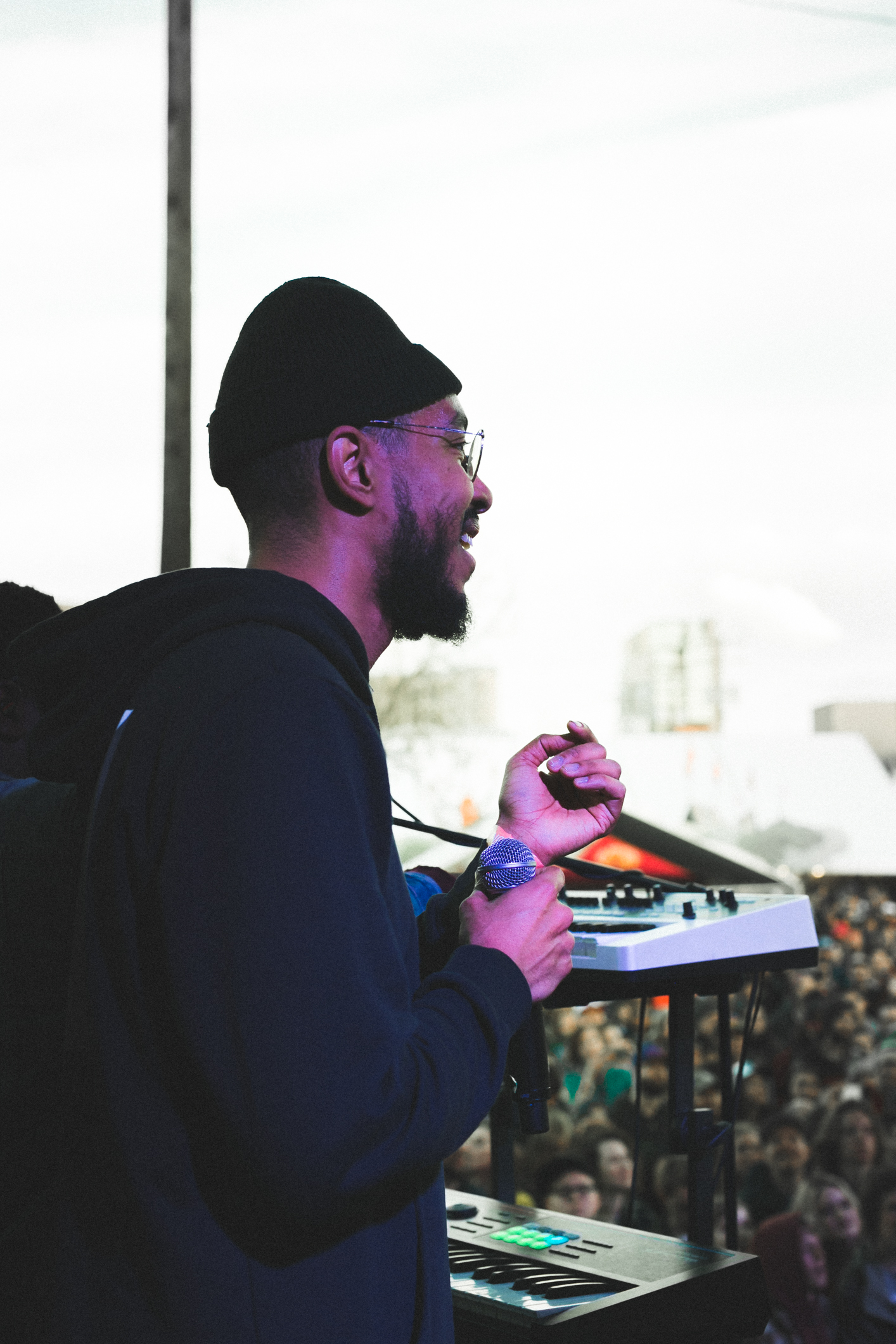
What is Treefort Music Fest?
Treefort Music Fest is an independent, multi-day music and arts festival held each year in downtown Boise. It began in 2012 as a music-focused event and has grown into a cluster of parallel programs — music, film, comedy, food, technology, yoga, and more — running at overlapping venues across a compact stretch of downtown. It is organized by Treefort Music Fest LLC, and current lineup, schedule, and pass details are published on the festival’s own site.
When does it happen, and why does the date matter?
Treefort runs for several days in late March, a timing organizers have kept consistent since the festival’s founding. Because that falls before Boise’s tourist season proper and while spring weather is still unsettled, it functions differently from a summer event — check the festival’s own site for exact dates each year, since they shift within the same general window.
The late-March slot matters for planning beyond the music. It sits ahead of the stretch covered in when to visit Boise, and weather at that time of year is still cool and variable rather than the dry heat described in what a Boise summer is actually like. Anyone traveling for the festival should treat it as an early-spring trip, not a summer one, and check Boise’s elevation and dry air for what that means for comfort and hydration outdoors.
Where in the city does it take place?
Treefort’s footprint is downtown Boise, using existing venues rather than building a fairground from scratch. Over its run, the festival has used a range of established rooms and outdoor spaces within a walkable radius, including the Egyptian Theatre and stages set up in and around the Grove Plaza — the paved public square at the heart of downtown. The festival’s own site publishes the full current venue map each year, since the exact list of participating rooms shifts.
Because the venues sit close together, the practical geography matters more than any single stage. Readers unfamiliar with downtown’s layout should start with what counts as downtown Boise, and where it begins and ends and what Grove Plaza is used for before working out how far apart different venues sit.
What are the “forts” — is it just music?
No. Music is the anchor, but Treefort has expanded into a set of parallel, co-branded programs — Filmfort for screenings, Comedyfort for standup, Alefort for beer, Foodfort for food vendors, and others focused on technology, yoga, and family programming, according to the festival’s own descriptions of its lineup. Each runs on its own schedule inside the same festival week, often in different venues, so a single pass does not automatically mean access to every program — that detail is worth confirming on the operator’s own site before assuming coverage.


How does the festival change downtown for the week?
For its run, Treefort turns ordinary downtown blocks into a working festival site. Streets around the main venue cluster are closed or restricted to vehicle traffic under permits issued through the city, sidewalks and plazas carry queues and temporary signage, and normal foot traffic through the area increases sharply. This is consistent with how the city treats other large downtown events, discussed generally at what Boise City Hall Plaza is and what happens there, another public space used for civic and festival gatherings.
For residents, the practical effect is felt less in the music itself than in getting around downtown during the closures. Anyone who lives or works near the venue cluster should expect altered routes for a few days, similar in kind — though not necessarily in scale — to the disruption described in why State Street gets rebuilt so often, where ongoing downtown work already shapes traffic patterns.
What does it mean for parking, driving and transit?
Street closures and increased pedestrian volume make driving into the festival footprint impractical during peak hours. The city’s existing downtown parking system, covered in detail at how parking works in downtown Boise, still applies outside the closed blocks, but garages near the venue cluster fill faster than on an ordinary day.
Downtown’s dense grid and short blocks — described at which parts of Boise are actually walkable — work in the festival’s favor, since most venues sit within easy walking distance of each other. Visitors staying outside downtown should also look at where Valley Regional Transit’s bus routes actually go and Boise’s e-scooter and bike-share options as ways to reach the area without adding to the parking pressure.
What happens to venues and downtown outside festival week?
Outside the festival, the venues Treefort uses return to their normal, year-round programming — the Egyptian Theatre continues its regular film and event schedule, as detailed at what the Egyptian Theatre is and why it’s Egyptian, and Grove Plaza reverts to its everyday role as a public square. Treefort does not have a standalone venue of its own; it is, by design, a temporary layer over existing downtown infrastructure.
That structure is worth understanding for anyone comparing Treefort to permanent cultural institutions in the city. Downtown’s museums and performance venues, covered generally in the Boise guide to museums, landmarks and neighbourhoods, operate on their own separate schedules unrelated to the festival calendar.
Practical notes for visitors and residents
- Pass types, single-show tickets, and access to individual “forts” vary and change year to year — confirm current structure on Treefort’s own site before assuming what a pass covers.
- Lodging and downtown restaurants fill up around festival week; this is a durable pattern worth planning around rather than a specific price or availability figure, which changes constantly.
- Late March weather in Boise is unpredictable — cold mornings, possible rain or late snow are all plausible, distinct from the dry-heat pattern described at what a Boise summer is actually like.
- Residents near the venue cluster should expect several days of altered parking and street access, consistent with how the city manages other large downtown closures.
For a broader sense of how downtown functions the rest of the year — its grid, its one-way streets, and how far its neighborhoods actually sit from one another — see why downtown Boise has so many one-way streets and how far apart everything in Boise really is. Both explain the underlying city that Treefort temporarily reshapes for a week each spring, and that returns to its ordinary rhythm once the festival ends.
Access Boise is an independent guide written from published, checkable sources. We have not visited the places described here and we do not publish personal recommendations or invented ‘local favourites’ — where something is singled out as notable, we say who says so. Opening times, fares, closures and prices change at short notice, so treat everything here as a starting point and confirm with the museum, operator or venue directly before building a day around it. We give no advice on visas, insurance, health or safety; use your own government’s official guidance for those.
Featured image: Photo by Treefort Music Fest, source, CC BY-SA 2.0
