Bardenay is a Boise restaurant chain that distills its own gin, rum and vodka on-site, something no US restaurant had been licensed to do since Prohibition ended in 1933. Its 1999 opening forced the Idaho legislature to write a new category of liquor license. That license, not the restaurant itself, is the reason Bardenay matters outside Idaho.
What is Bardenay, exactly?
Bardenay is a restaurant-and-bar company founded in Boise by Kevin and Kathy Settles. It opened its first location downtown in 1999, built around working copper stills visible from the dining room. The company later added locations in Eagle and Coeur d’Alene, Idaho.
The stills are not decorative. Bardenay has described itself publicly as a working distillery that happens to also run a restaurant, producing its own gin, rum, and vodka for use in the bar. That combination — distillery and restaurant under one roof, one license — is what Idaho law did not previously allow.
Why did Idaho have to change its law for this?
Idaho is a “control state” for distilled spirits. That means the state itself, through what is now Idaho State Liquor and Wine, is the sole wholesaler of hard liquor. Every bottle sold at retail, including bottles made by an Idaho distillery, normally passes through state-set markup and distribution before it reaches a shelf.
Before 1999, Idaho’s alcohol code had no license that let a single business both manufacture distilled spirits and sell them by the drink to its own customers. Distilling was regulated as a separate, wholesale-facing activity. Restaurants held liquor-by-the-drink licenses. The two tracks did not meet.
Bardenay’s founders asked the Idaho legislature to create a bridge between them. Lawmakers obliged, and Idaho became one of the first states in the country to license a restaurant to distill its own spirits for on-site sale.
What did the 1999 law actually permit — and not permit?
This is the part most accounts skip. The statute did not deregulate distilling in Idaho. It carved out a narrow, specific exception, and the shape of that exception still matters for anyone opening a distillery in the state today.
Three limits defined it:
- On-premise tie to restaurant sales. The license let a distillery operate only as an attachment to a licensed restaurant. Spirits made on-site were meant to be served and sold through that restaurant’s bar, not distributed independently.
- Control-state markup still applied. Idaho did not exempt restaurant-distillery spirits from the state’s control-state pricing structure. Bottles sold for off-premise consumption still ran through the same wholesale markup system that governs every other distilled spirit sold in Idaho.
- Capped off-site sales. The law restricted how much product a restaurant-distillery could sell directly to the public for carry-out, keeping the license tied to on-premise consumption rather than turning the restaurant into a competing retail liquor store.
Put simply: Idaho allowed a restaurant to distill, but it did not allow that restaurant to become a bottle shop. The law solved Bardenay’s specific problem — make spirits, serve them where they are made — without unwinding the control-state system around it.


Which other Idaho distilleries could follow Bardenay’s model?
Very few, and that is the point. The 1999 license was written around a restaurant that distills, not a distillery that happens to have a tasting room. Those are different businesses with different economics.
A restaurant-distillery needs a full kitchen, dining-room staff, and a liquor-by-the-drink license layered on top of a manufacturing permit. That is expensive and operationally complex for a producer whose real business is making spirits, not plating food. Most craft distilleries that followed Bardenay into the Idaho market were not restaurants at all.
Idaho’s alcohol code has since grown a separate path for them: a craft distillery license, distinct from the restaurant-distillery exception Bardenay used. That license lets a small producer run a tasting room, sell limited quantities of its own product directly to visitors, and skip the restaurant build-out entirely. It still operates inside Idaho’s control-state framework — a craft distillery does not bypass the state’s wholesale role for spirits sold beyond its own tasting room — but it does not require a kitchen or a dining license to exist.
The result is two tracks running side by side in Idaho today:
| License type | What it requires | What it allows | What it still restricts |
|---|---|---|---|
| Restaurant-distillery (Bardenay’s model, 1999) | Full restaurant license plus distilling permit | On-site distilling for use in the attached bar and restaurant | Off-premise sales capped; control-state markup still applies |
| Craft distillery license | Distilling permit plus a tasting room | Direct sales of own product to visitors, limited quantities | No restaurant kitchen required, but still inside control-state wholesale rules for broader distribution |
A newer Idaho producer choosing between these paths is really choosing a business model: build a full restaurant to sell spirits by the glass, or build a tasting room and sell bottles in limited volume while routing broader distribution through the state system. Bardenay opened the first door. Idaho had to build the second one later for everybody else.
Does Idaho’s control-state system still shape this today?
Yes, and it shapes more than distilleries. Idaho State Liquor and Wine still sets markup on distilled spirits sold anywhere in the state, restaurant-distillery or otherwise. Grocery and convenience stores in Idaho can sell beer and wine, but hard liquor by the bottle is sold only through state-run or state-licensed liquor stores.
That structure predates Bardenay by decades and has outlasted the 1999 carve-out without major change. A visitor used to buying a bottle of whiskey at a supermarket in another state will not find that option in Idaho. Readers who want the fuller picture of how that plays out in bars, restaurants, and stores can see Idaho’s alcohol laws in practice for how the control-state system affects ordinary drinking and buying in Boise today.

Where does Bardenay fit into Boise’s wider drink culture?
Bardenay’s 1999 opening came before Idaho’s craft beer and craft distilling scenes had much shape at all. Boise’s brewery industry grew substantially in the two decades after, a pattern covered in more detail in the piece on what Boise’s brewery scene is built on. Distilling followed a slower curve, partly because the license path for a stand-alone distillery did not fully exist until years after Bardenay opened.
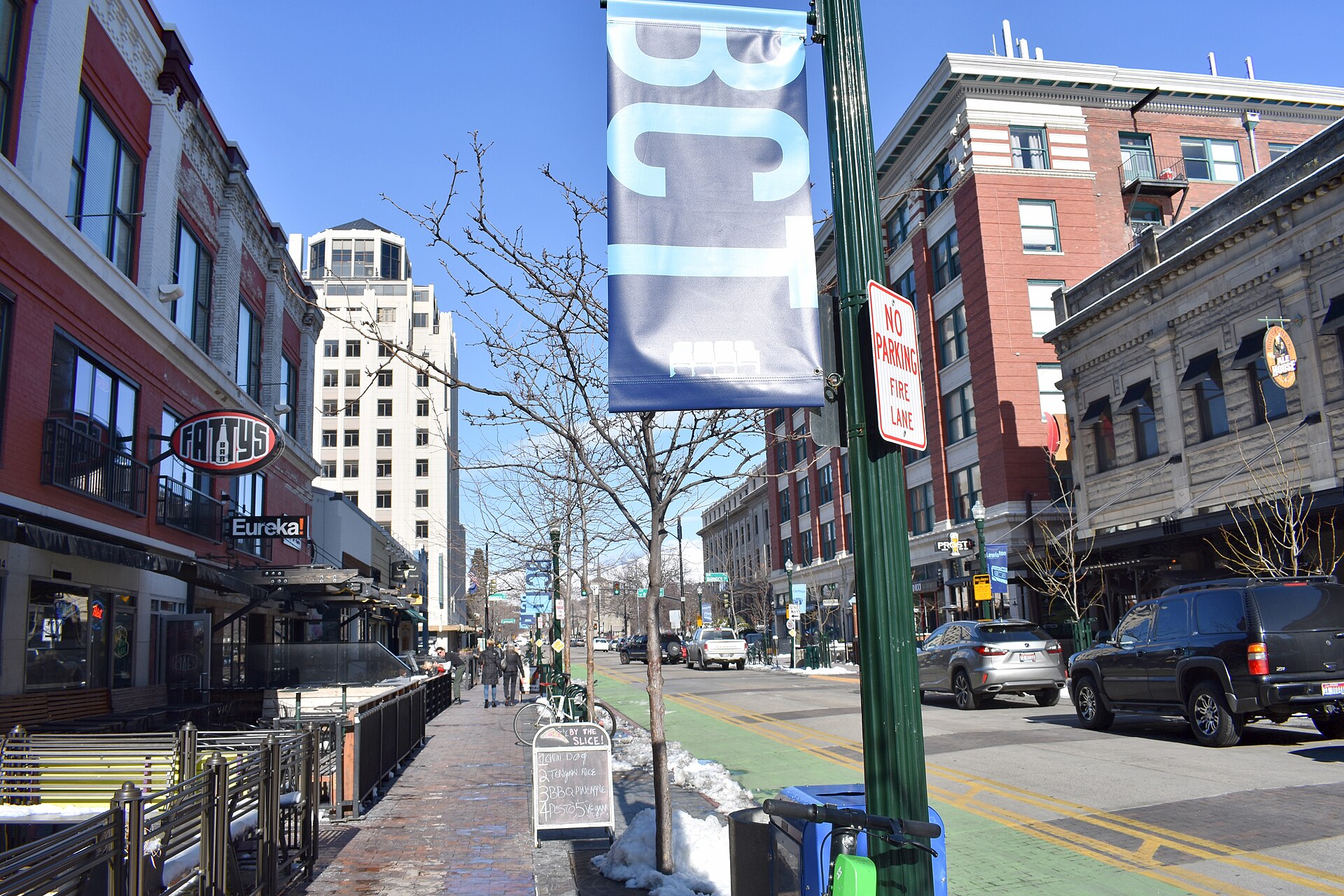
Boise’s downtown drink and dining geography has also grown up around this period. The 8th Street food corridor sits close to where Bardenay’s original location opened, part of a wider cluster of bars and restaurants that developed downtown through the 2000s and 2010s. Readers comparing Boise’s broader food and drink identity, including Basque drinking traditions like Picon punch, can find more in the site’s Food & Drink coverage.
What should a visitor or resident actually take from this?
The headline fact — first restaurant-distillery since Prohibition — is true and checkable. The more useful fact is narrower. Idaho did not deregulate liquor in 1999. It built one specific exception for one specific business model, left the control-state system intact around it, and then built a second, different license years later for everyone who wanted to distill without running a restaurant.
That two-track structure is still visible in Idaho’s distillery landscape now. It is a small, concrete example of how state alcohol law actually works, a subject covered more broadly for residents and visitors alike in the site’s guide to living in Boise and the wider Boise guide.
Related reading
getting around, planning, itineraries, food and the foothills.
Access Boise is an independent guide written from published, checkable sources. We have not visited the places described here and we do not publish personal recommendations or invented ‘local favourites’ — where something is singled out as notable, we say who says so. Opening times, fares, closures and prices change at short notice, so treat everything here as a starting point and confirm with the museum, operator or venue directly before building a day around it. We give no advice on visas, insurance, health or safety; use your own government’s official guidance for those.
Featured image: Photo by Patrick R., source, CC BY-SA 3.0
