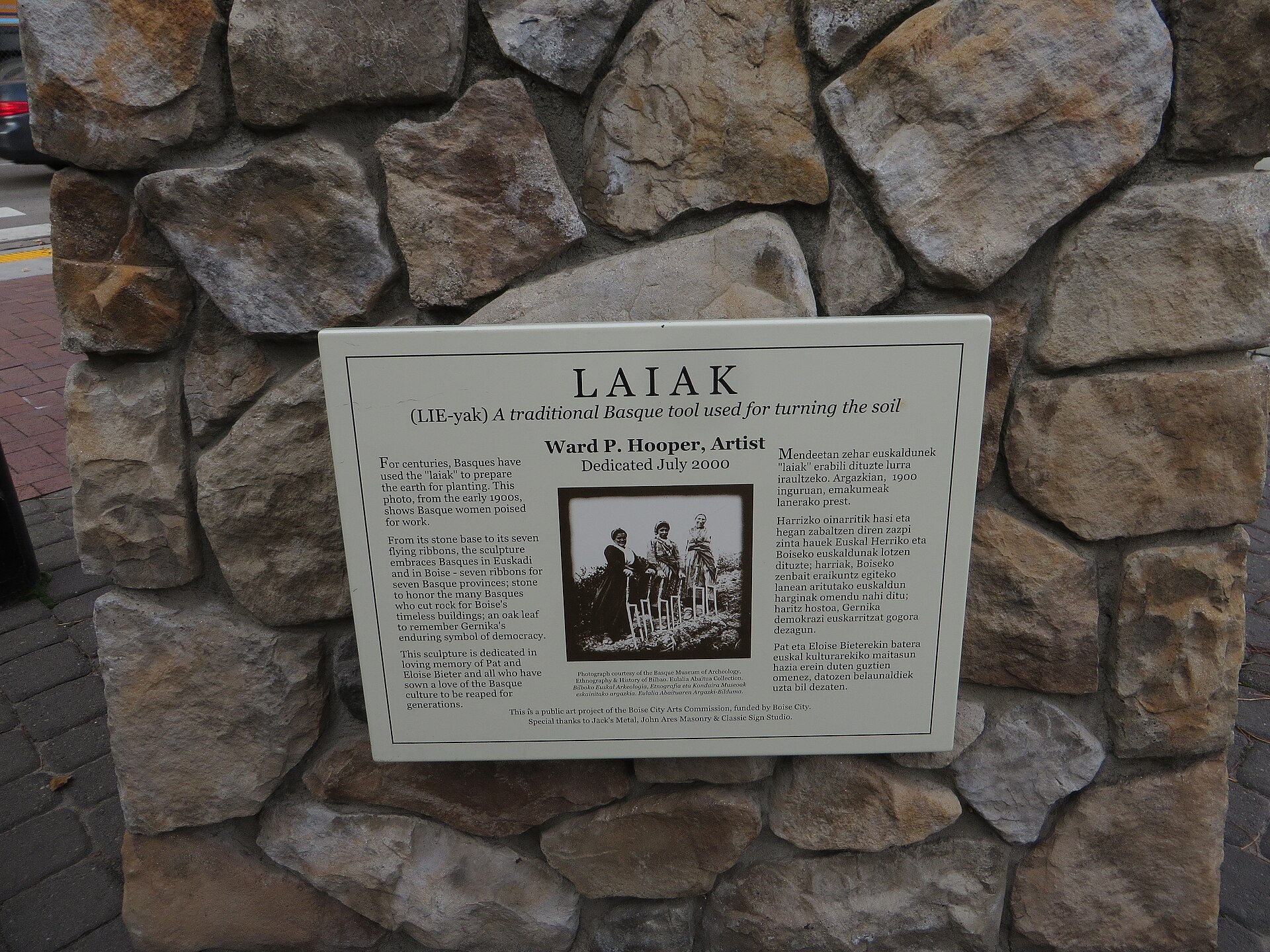
Picon punch is a bittersweet cocktail built on an amaro-style liqueur, soda water, a splash of grenadine and a brandy float on top. Basque immigrants and the boardinghouses that took them in brought the drink to Boise in the early 1900s. It remains the drink most closely tied to the city’s Basque Block, and to Basque identity in Idaho generally.
Why did Basque immigrants in Boise adopt this drink?
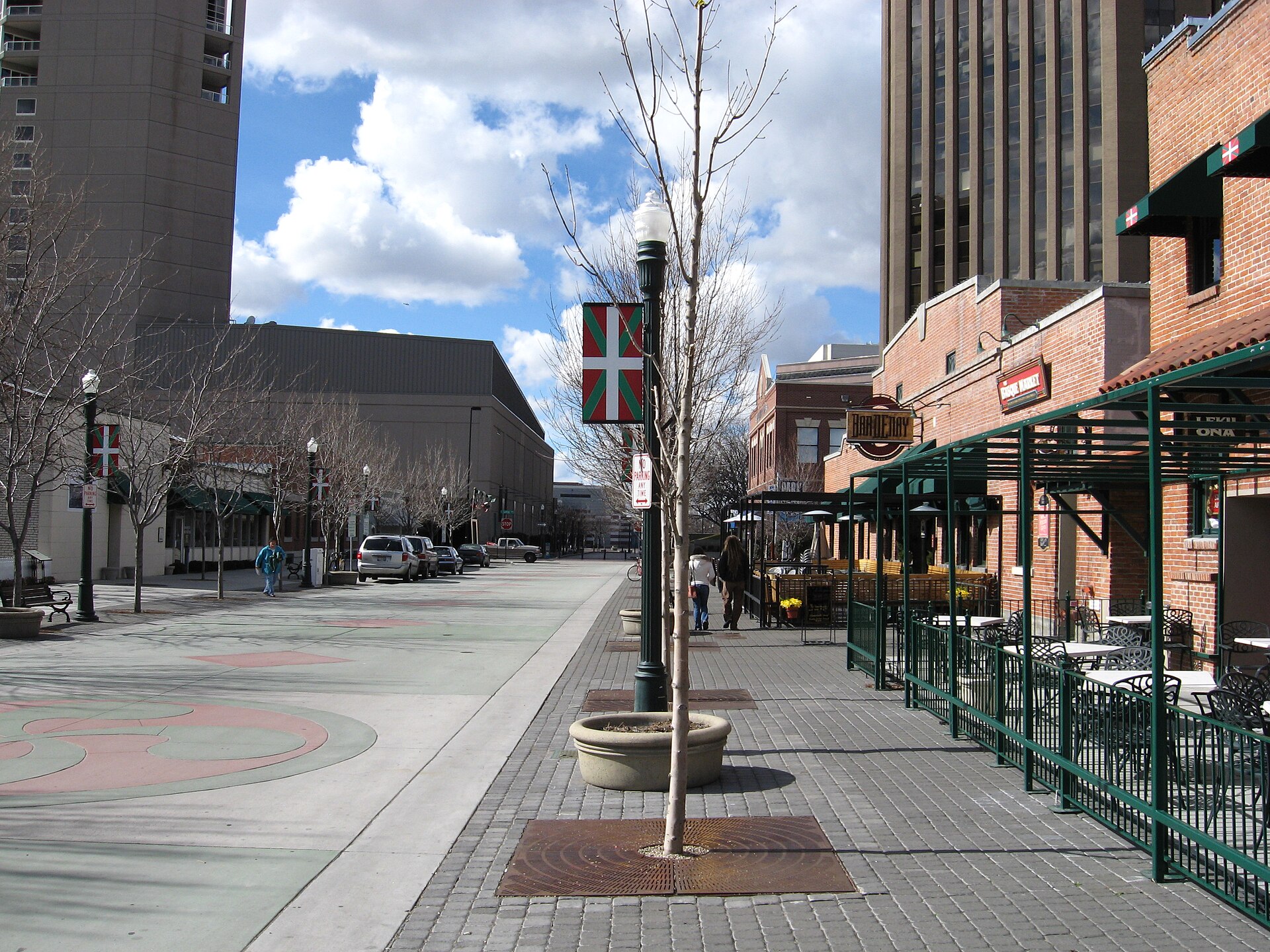
Basque sheepherders and laborers arrived in southern Idaho from roughly the 1890s through the mid-1900s, many recruited to work the region’s open range. Boise became their main urban base. The city’s Basque Block, on Grove Street downtown, grew up around the boardinghouses, or ostatuak, that housed new arrivals between jobs.
Picon punch was already popular among Basques in France and Spain before emigration. In Boise’s boardinghouses it became the drink poured for a herder coming down from the hills, or for a family marking a Sunday gathering. It was strong, bitter, and quick to make in volume — practical qualities for a communal bar in a working boardinghouse.
The drink’s staying power has less to do with taste and more to do with continuity. Basque social clubs, church groups and family gatherings kept serving it long after the sheep camps thinned out. It survived as a marker of identity, not just a hangover from an older economy.
What happened to Amer Picon, the original ingredient?
The original recipe depends on Amer Picon, a French bitter liqueur flavored with gentian root, orange peel and quinine. It was imported into the United States for decades. That changed.
French producers reformulated Amer Picon more than once over the twentieth century, lowering its alcohol content and altering the bittering agents for European tax and regulatory reasons. Eventually the brand stopped being exported to the US market in a form close to the original. Bars that had built a house drink around it were left without their key ingredient.
This is not a Boise-specific problem. Bartenders across the country who serve Picon-style drinks have dealt with the same gap. Boise’s Basque bars simply had a longer, more visible relationship with the liqueur, so the substitution mattered more here.
What do bars use instead, and in what ratio?
Most bars now substitute Torani Amaro, an Italian orange-and-quinine liqueur with a flavor profile close enough to stand in. Some make a house bittering syrup instead, following recipes that Basque families and community cookbooks have circulated for years.
The classic proportions, as published in cocktail references going back decades, are straightforward:
| Component | Original recipe (Amer Picon) | Common Boise substitute |
|---|---|---|
| Base liqueur | 1.5 oz Amer Picon | 1.5–2 oz Torani Amaro, or house-made bitters |
| Sweetener | none needed | splash of grenadine, to soften Torani Amaro’s sharper edge |
| Mixer | 4 oz club soda | 4 oz club soda |
| Float | 0.5 oz brandy | 0.5 oz brandy, poured on top last |
The brandy float is the one constant. It sits on top rather than being stirred in, so the first sip is smooth and the last sip is stronger. Bartenders adjust the grenadine to taste, since Torani Amaro reads a little sharper on its own than the original French liqueur did.

None of this is a secret recipe. It is the standard workaround discussed in Idaho food writing whenever the Amer Picon shortage comes up, and
Related reading
what the city is like to actually live in, getting around, planning, itineraries, food and the foothills, museums, landmarks, neighbourhoods and day trips, What Is Fry Sauce, and Where Did It Come From?, Boise Cost of Living Compared to Portland, Seattle, Denver and Salt Lake.
Access Boise is an independent guide written from published, checkable sources. We have not visited the places described here and we do not publish personal recommendations or invented ‘local favourites’ — where something is singled out as notable, we say who says so. Opening times, fares, closures and prices change at short notice, so treat everything here as a starting point and confirm with the museum, operator or venue directly before building a day around it. We give no advice on visas, insurance, health or safety; use your own government’s official guidance for those.
Featured image: Photo by Ken Lund, source, CC BY-SA 2.0
