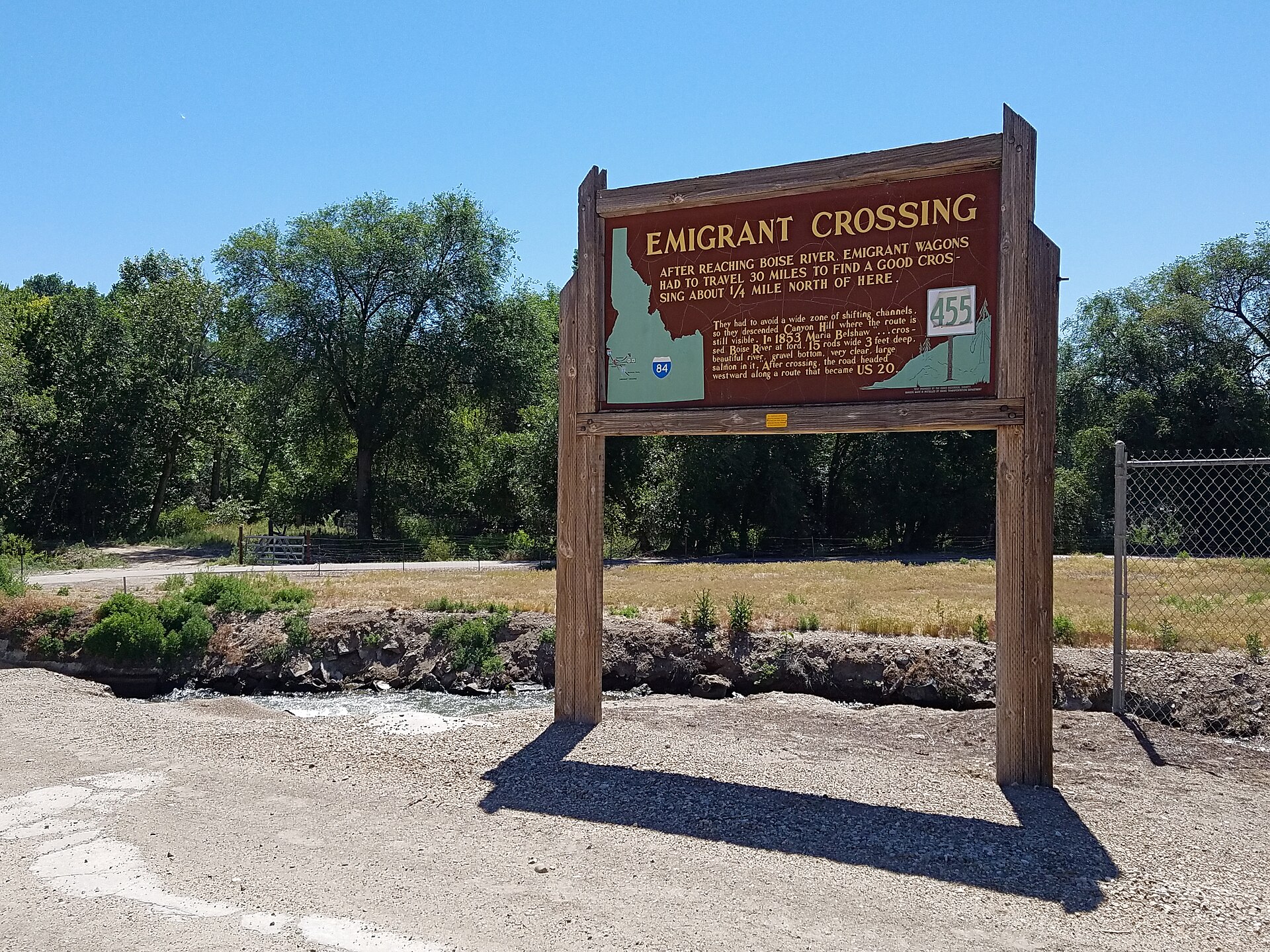
Living in Boise without a car long term is workable if the address is inside a narrow band — downtown, the North End, the Boise State area, or a few blocks off the Greenbelt — and difficult almost everywhere else. Bus service is limited outside a few corridors, distances between errands add up fast, and winter changes the calculus for walking and cycling.
Which parts of Boise actually work without a car?
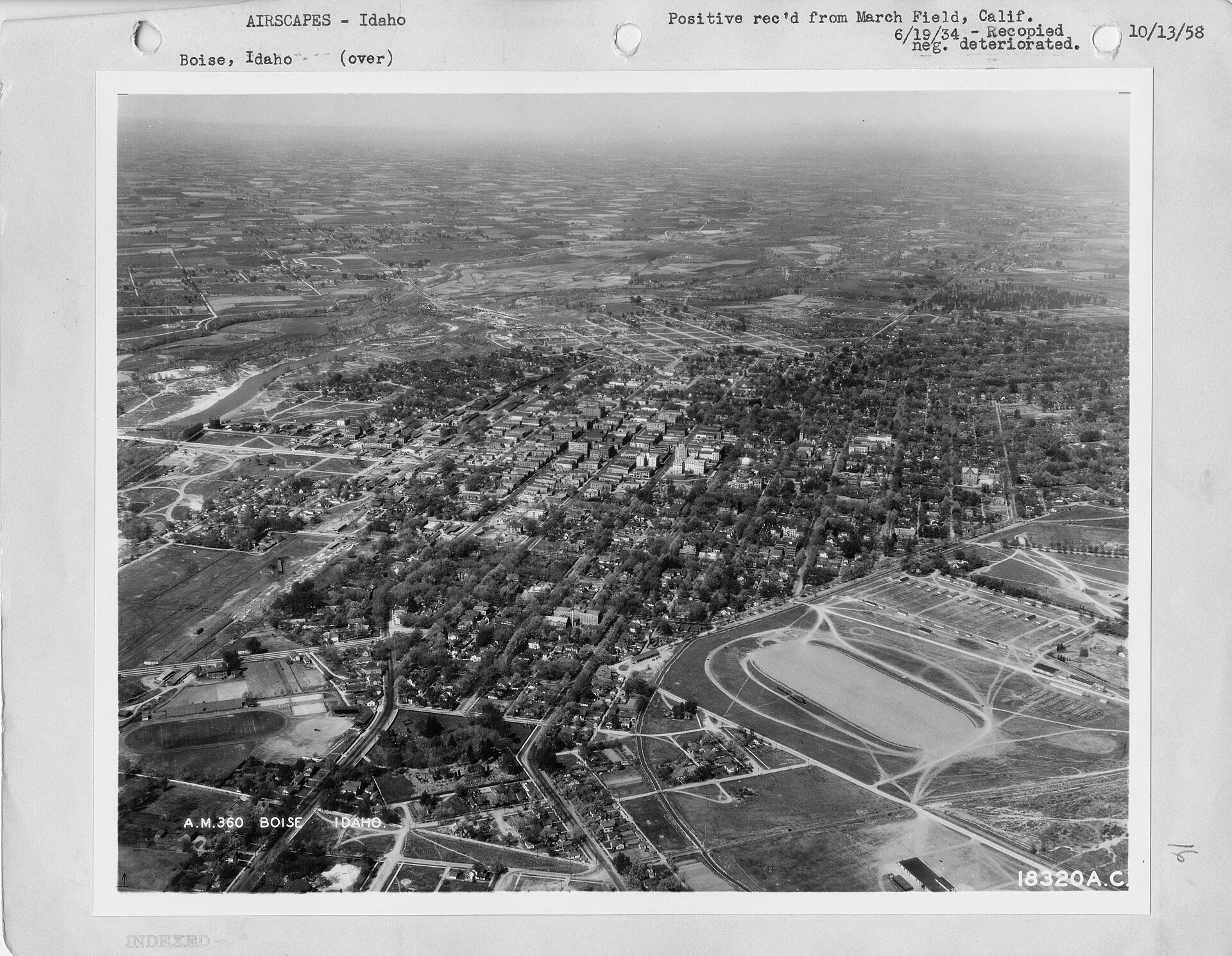
The workable zone is small: downtown Boise, the North End, the East End, and the blocks around Boise State University. These areas share a grid layout, sidewalks, and proximity to groceries, pharmacies, and transit stops. Once a household moves to the Bench, the foothills fringe, or any of the outer subdivisions, daily life without a car depends heavily on bus frequency and how far a resident is willing to walk or bike to reach it.
Access Boise’s broader look at how the city’s districts differ, at Boise’s neighbourhoods and what they’re like to live in, is useful background for anyone weighing an address against a transport-free routine before signing a lease.
A related question — what a single car-free day in Boise looks like for a visitor — is covered separately at a day in Boise without a car. That piece is about a visit. This one is about the following ten years.
How does Boise’s public transit fit into daily life?
Bus service in Boise and the surrounding valley is operated by Valley Regional Transit (VRT), the regional transit authority for Ada and Canyon counties. VRT’s own site is the source for current routes, schedules, and fare structure, and should be checked directly rather than assumed, since frequency on individual routes changes.
For residents, the practical shape of the system matters more than any single timetable: a small number of higher-frequency routes run through downtown, and service thins out considerably toward the edges of the metro area and on evenings and weekends. A household relying on VRT as its only transport needs to plan around that thinning, not around a single trip.
Access Boise’s dedicated look at this, what Boise’s public transport is actually like for residents, covers route structure, fare cards, and how commuters use the system in more detail than fits here.
What does the Greenbelt and bike network add?
The Boise River Greenbelt is a paved, multi-use path running along both banks of the Boise River through the city, linking a string of parks and neighbourhoods. For anyone living near it, the Greenbelt functions as a genuine commuting corridor on a bike, not just a recreational path — it connects downtown to the Bench, to Garden City, and to several East End and North End access points without needing a road crossing at every block.
The city has also added e-scooter and bike-share options in recent years, which extend the useful range of a car-free household for shorter trips that are too far to walk but not worth owning a bike for. Access Boise’s overview of Boise’s e-scooter and bike-share options covers how these programmes are set up and where they tend to be concentrated.
The full route and what it connects is described at the Boise River Greenbelt, end to end, and the broader question of which parts of the city are genuinely walkable — as opposed to merely having sidewalks — is answered directly at Boise: which parts are walkable.
What about groceries, errands, and daily logistics?
Grocery access without a car depends almost entirely on neighbourhood. Downtown and the North End sit within reasonable walking or biking distance of the Boise Co-op, a member-owned grocery cooperative that has served as a central food source for those districts for decades; Access Boise’s separate piece on what the Boise Co-op is covers its role and how it operates. Outside the central districts, grocery stores tend to be arranged around arterial roads designed for car access, with parking lots between the sidewalk and the door — workable on foot or by bike, but not designed for it.
Errands that involve larger purchases, medical appointments outside the central hospitals, or reaching big-box retail on the Bench or in the outer valley are the point where most car-free households in Boise end up relying on a bike trailer, a rideshare trip, or borrowing a vehicle occasionally. This is a structural fact about how the metro area was built, not a comment on any one resident’s choices.
Downtown’s own street layout is worth understanding separately, since several core streets run one-way; Access Boise covers this at Boise’s downtown one-way streets and why they run that way, which matters for anyone navigating on a bike as much as by car.
How does winter change the picture?
Boise’s winters bring snow, occasional ice, and — on colder, stiller days — a temperature inversion that traps cold air and pollution in the valley. All three affect a car-free routine. Sidewalks in central neighbourhoods are generally cleared, but clearance quality varies by property owner, since Boise places responsibility for sidewalk snow removal on adjacent residents and businesses rather than a single city crew.
Access Boise’s dedicated explainer, how Boise handles snow, sets out how the city treats roads, how sidewalk clearance actually works in practice, and what tends to lag. For anyone planning to walk, bike, or wait at bus stops through a Boise winter long term, that piece is the more useful read than any general assumption about a snowy city.
VRT bus frequency does not typically increase to compensate for worse walking and biking conditions in winter, which is the detail that most affects a car-free household’s actual quality of life from November through February.
Is it cheaper to live in Boise without a car?
It can be, but the saving is smaller than it first appears once winter workarounds, occasional rideshare use, and the narrower choice of housing are counted. Boise’s cost of living generally runs lower than many West Coast metro areas but has risen sharply relative to the rest of Idaho; Access Boise’s cost of living in Boise versus the rest of Idaho lays out the actual figures and their sources rather than a general impression.
A car-free household typically pays a premium to live in the walkable core — rents in the North End and downtown run higher than the Bench or outer suburbs — which offsets some of what is saved by not owning a vehicle. Whether that trade nets out favourably depends on the household’s income, work location, and tolerance for VRT’s limited off-peak service.
Who does this actually work for, long term?
It suits people whose work, groceries, and social life are concentrated inside downtown, the North End, the East End, or the Boise State campus area, and who are willing to adapt around winter conditions and a thin bus network rather than expect either to change. It works less well for anyone whose job, family commitments, or preferred housing sit on the Bench, in Garden City, or in the outer valley, where the distances between destinations were built around driving.
- Central, walkable neighbourhoods with Greenbelt or frequent-bus access make a car genuinely optional for many daily needs.
- Winter sidewalk clearance and bus frequency are the two most common friction points reported by long-term car-free residents, not summer conditions.
- Reaching the foothills, the outer valley, or day-trip destinations beyond the metro area still generally requires a car, a ride, or an organised trip.
For a fuller sense of how the rest of the city’s daily systems fit together — schools, utilities, healthcare, and the neighbourhood variation behind all of it — Access Boise’s Living in Boise hub is the starting point, with the Getting Around archive covering transport specifics in more depth than any single article can hold.
Access Boise is an independent guide written from published, checkable sources. We have not visited the places described here and we do not publish personal recommendations or invented ‘local favourites’ — where something is singled out as notable, we say who says so. Opening times, fares, closures and prices change at short notice, so treat everything here as a starting point and confirm with the museum, operator or venue directly before building a day around it. We give no advice on visas, insurance, health or safety; use your own government’s official guidance for those.
Featured image: Photo by Tamanoeconomico, source, CC BY-SA 4.0
.jpg)