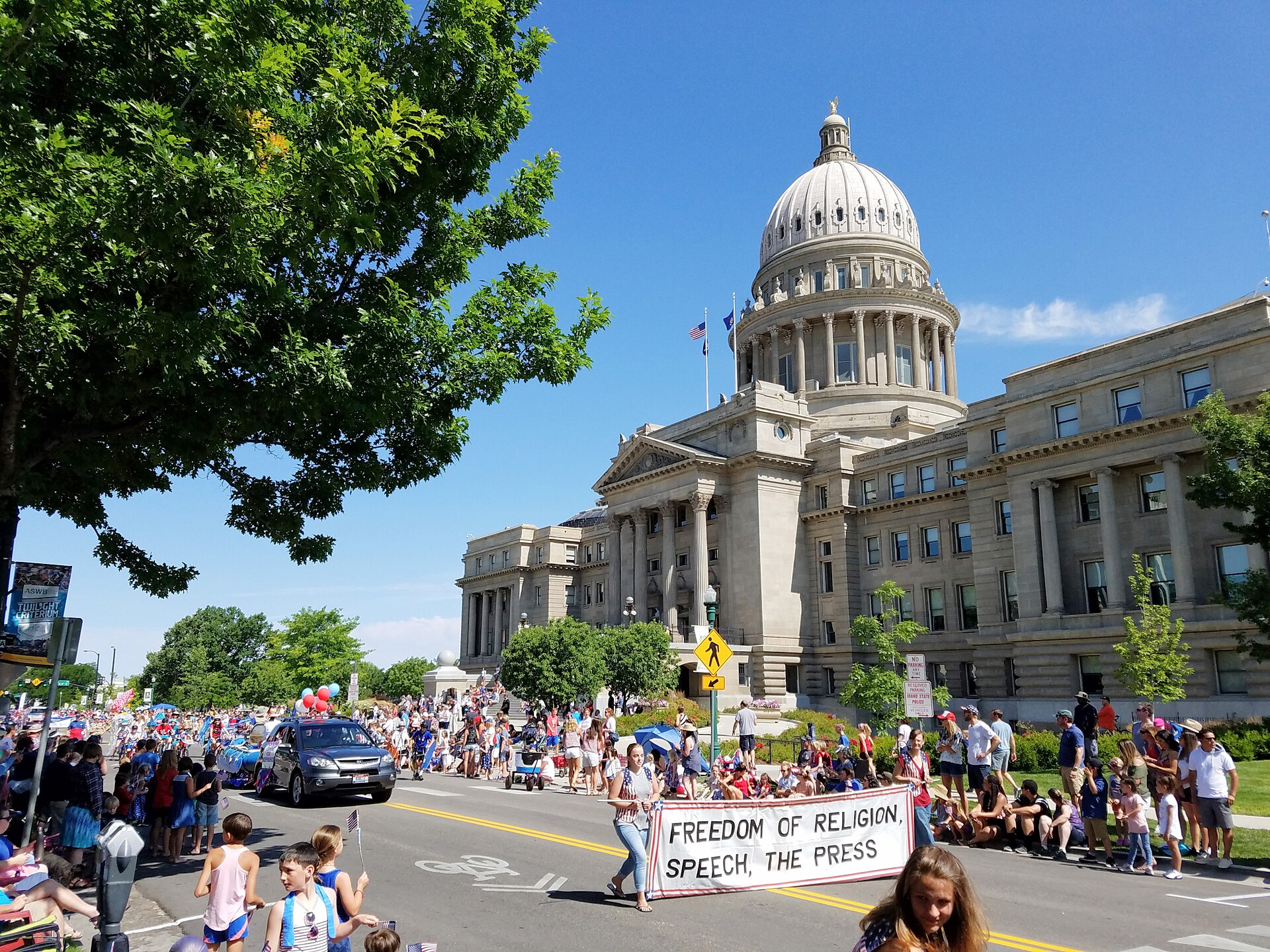
The Cathedral of the Rockies is the popular name for First United Methodist Church, a large Gothic-style church in downtown Boise. It is not a cathedral in the formal sense — Methodist churches don’t have bishops’ seats called cathedrals — but a long-standing congregation whose building has become one of the visual anchors of the downtown skyline.
What is the Cathedral of the Rockies, exactly?
It is the working nickname for First United Methodist Church of Boise, a congregation of the United Methodist denomination. The name refers to the building’s scale and stone Gothic Revival styling rather than to any formal ecclesiastical rank. The church’s own site is the primary source for its history, services and use of the building, and readers wanting confirmed detail on hours or events should check there directly rather than rely on secondhand listings.
Why is a Methodist church called a “cathedral”?
In strict church terminology, a cathedral is the seat of a bishop, a term used in Roman Catholic and Anglican/Episcopal structures. The United Methodist Church does not designate cathedrals in that formal sense. “Cathedral of the Rockies” is a descriptive nickname that has stuck locally, reflecting the building’s size, its stone construction, and its prominent tower — the kind of scale associated with cathedral architecture even where the formal designation doesn’t apply.
Is the Cathedral of the Rockies Boise’s only “cathedral”?
No. Boise does have an actual cathedral in the technical sense: the Cathedral of St. John the Evangelist, the seat of the Roman Catholic Diocese of Boise. That building holds the formal cathedral designation because it is the bishop’s seat church for the diocese. The Cathedral of the Rockies is a nickname applied to a Methodist church of similar visual grandeur but different ecclesiastical status. The distinction matters for anyone trying to match a name on a map to the correct building.
How old is the congregation?
The congregation traces its roots into Boise’s early history as a Protestant congregation established not long after the city itself was founded in the 1860s, according to the church’s own historical account. The current building is a later structure, built to house a growing congregation as downtown Boise developed through the early twentieth century. Readers wanting a precise founding date or construction year should confirm the figures on the church’s own site, since parish histories are periodically revised and republished.
What does the building look like?
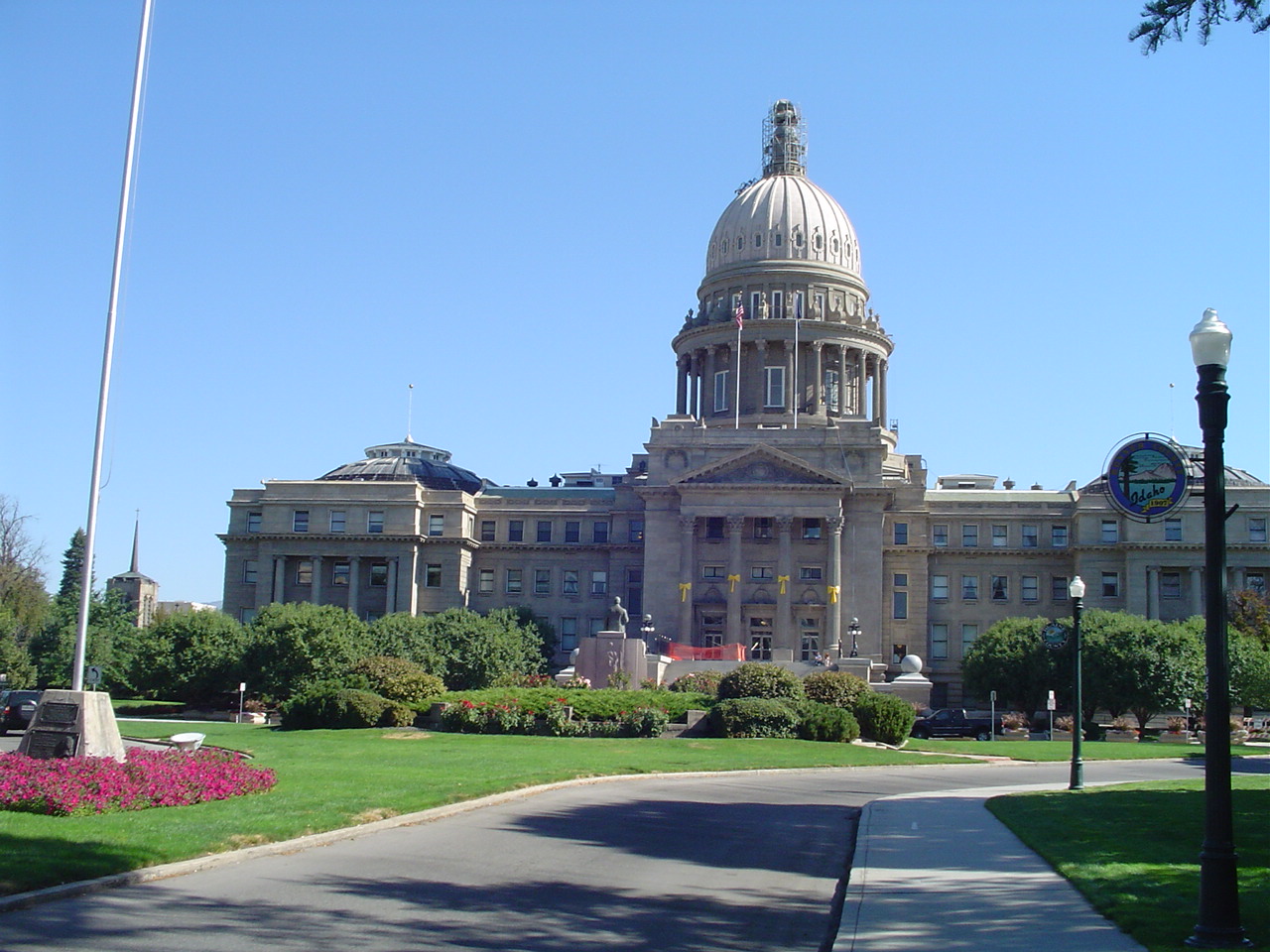
The Cathedral of the Rockies is built in the Gothic Revival style associated with large American Protestant churches of the early to mid-twentieth century: cut stone construction, pointed-arch windows, and a tower that reads clearly against the downtown skyline. That silhouette is part of why the nickname endures — the building visually reads as a cathedral even without the formal title, in a downtown otherwise dominated by government buildings and mid-rise commercial architecture.
Can visitors go inside?
Active congregations set their own access for services, tours and events, and that detail changes with the calendar and with staffing. The church’s own site is the correct source for current worship times, public events, and any stated policy on visiting the interior outside of services. This site does not publish hours for working religious buildings because they are set and altered by the institution itself, not by outside guides.
Does the building host anything beyond worship?
Large downtown churches with substantial sanctuaries and pipe organs are sometimes used for concerts, recitals or civic events, and this is common practice for buildings of this scale in American cities. Whether the Cathedral of the Rockies currently hosts such events, and on what basis, is a detail the church controls directly. Readers interested in Boise’s broader performance venues, including the city’s dedicated concert hall, can compare scale and use at the Morrison Center for the Performing Arts, which is Boise State University’s purpose-built venue for music and theater.
How does it fit into downtown Boise?
The church sits within Boise’s compact downtown core, in the same general area as the city’s civic and cultural landmarks. Downtown Boise is walkable, and its major fixed points — the Idaho State Capitol, the courthouse, the central plaza, and several church buildings including this one — sit within a few blocks of each other. For a sense of how these downtown streets connect, see the explainer on what Capitol Boulevard connects, the axis that runs from the Capitol toward the Boise River.
Civic gathering space nearby functions differently from church space: it’s public, secular and programmed by the city. The Grove Plaza is Boise’s downtown public square, used for markets, concerts and civic events, and it illustrates the contrast between a privately run congregation building and a city-owned public space just blocks away.
Where does it sit among Boise’s landmarks?
The Cathedral of the Rockies is best understood as part of Boise’s downtown architecture rather than as a museum or a state-run attraction. It doesn’t appear on the same official visitor rosters as the Idaho State Capitol or the state’s museums, because it is an active house of worship rather than a public institution. For readers building out a fuller picture of downtown Boise’s built landmarks — the Capitol, the courthouse murals, the historic train depot — the Landmarks & Sights archive covers the durable, checkable facts on each. The Idaho State Capitol visitor guide is a useful companion piece, since the Capitol sits within easy walking distance and is the other large stone building that shapes this stretch of downtown’s skyline.
What should a resident or long-term visitor take from this?
For someone living in Boise, the Cathedral of the Rockies is a working congregation with its own calendar, not a static sight to check off. For a visitor trying to make sense of the skyline, the point worth carrying is the naming distinction: this building earns its nickname through scale and architecture, while Boise’s actual Roman Catholic cathedral carries the formal designation under a different name. Both are part of how downtown Boise reads from a distance, and both are documented, checkable buildings rather than backdrops.
Readers assembling a wider view of how downtown Boise’s institutions, museums and public spaces fit together can start from the Boise guide hub, which indexes landmarks, museums and neighborhoods, or the living in Boise hub for how these downtown fixtures function for people who live with them year-round rather than pass through once.
Access Boise is an independent guide written from published, checkable sources. We have not visited the places described here and we do not publish personal recommendations or invented ‘local favourites’ — where something is singled out as notable, we say who says so. Opening times, fares, closures and prices change at short notice, so treat everything here as a starting point and confirm with the museum, operator or venue directly before building a day around it. We give no advice on visas, insurance, health or safety; use your own government’s official guidance for those.
Featured image: Photo by Tamanoeconomico, source, CC BY-SA 4.0
.jpg)