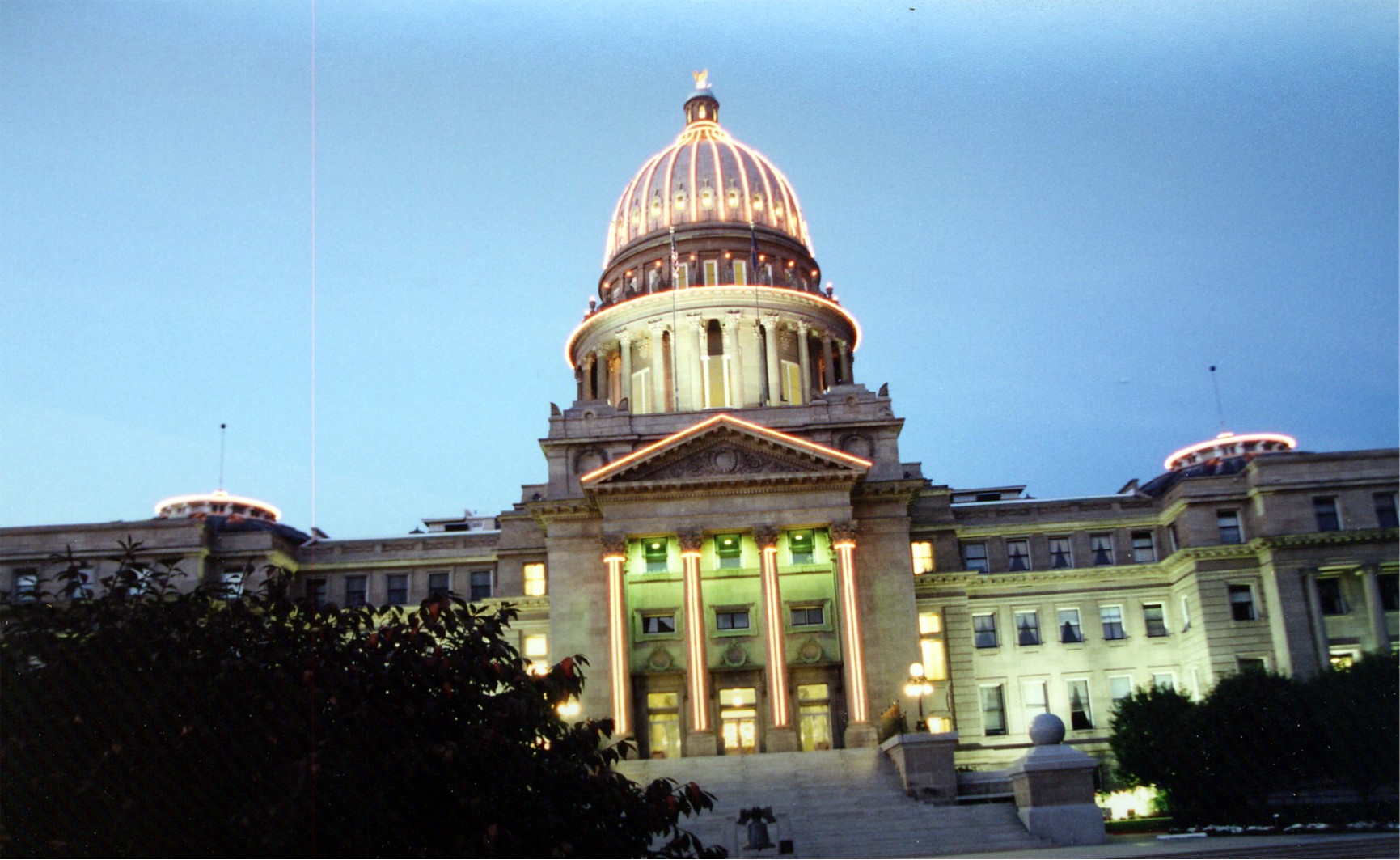
What is the Morrison Center?
The Morrison Center for the Performing Arts is Idaho’s largest performing arts facility, built on the campus of Boise State University and owned and operated by the university. It opened in 1984 and functions as the primary home for opera, ballet, orchestral music and touring theatrical productions in the Boise area, alongside its role as a university venue for commencement and academic events.
Where is it, and why is it on a university campus?
The building sits on the Boise State University campus on the south side of the Boise River, close to the university’s academic core and within walking distance of the Boise River Greenbelt. Boise State’s own site describes the Morrison Center as a university-owned facility rather than a city or state-run auditorium, which is why its programming mixes student and academic use with professional touring seasons.
That campus location matters practically: parking, building access and event entrances are managed under Boise State’s own campus systems rather than a separate downtown venue’s rules, and the university’s Morrison Center site is the correct place to confirm current parking arrangements for a given event.
What happens there — who actually performs?
The Morrison Center hosts a mix of resident performing arts organizations and touring productions. According to the venue’s own site, its regular tenants and users include:
- Opera Idaho, the region’s professional opera company
- Ballet Idaho
- The Boise Philharmonic orchestra
- Touring Broadway productions, typically presented as part of an annual series
- Boise State University’s own academic events, including commencement ceremonies and student performances
This combination — resident arts companies plus commercial touring shows plus university functions — is what makes the Morrison Center different from a single-purpose concert hall or a university’s own recital room. It is booked year-round by multiple organizations rather than programmed by one company.
What is actually inside the building?
The Morrison Center’s own site describes two principal performance spaces under one roof. The larger is a full-scale concert and theater hall used for opera, ballet, orchestral concerts and touring musicals, seating in the range of a large civic auditorium. The smaller is the Velma V. Morrison Recital Hall, used for chamber music, smaller ensembles and lectures.
The building also includes backstage production space, rehearsal areas and lobby space used for pre-show programming and university functions. It was designed from the outset to handle full staged productions — sets, orchestra pits, fly systems — rather than function purely as a concert hall, which is part of why it can host both a symphony program and a touring musical in the same week.
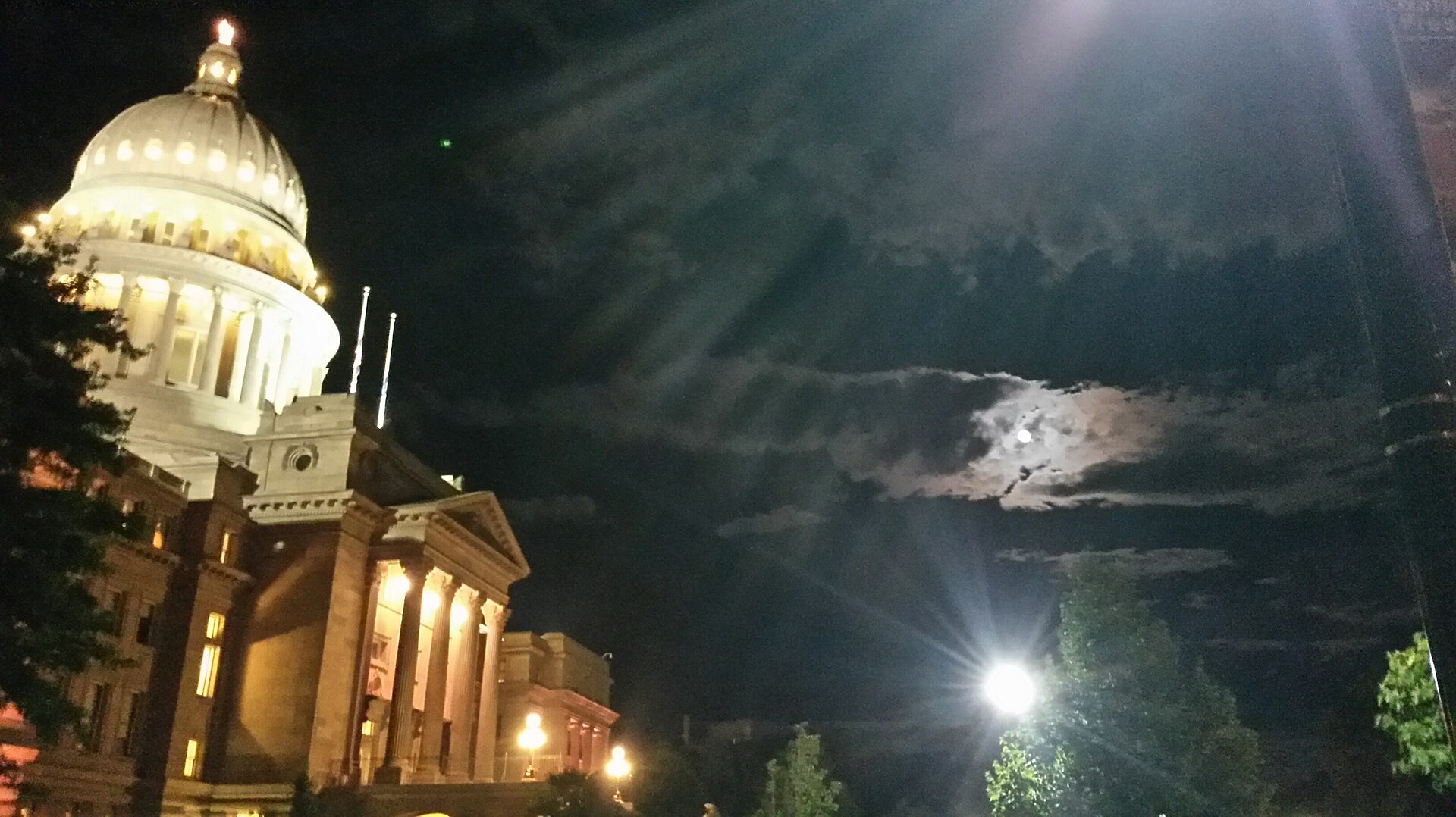

Who is the Morrison Center named after?
The building is named for Harry W. Morrison, co-founder of the Boise-based construction and engineering firm Morrison-Knudsen, and his wife Velma V. Morrison, whose philanthropic support helped fund the center’s construction. Boise State University’s own materials on the building credit the Morrison family’s contribution as central to getting the project built in the early 1980s, alongside state and university funding. The recital hall’s separate naming after Velma V. Morrison reflects a distinct phase of her family’s giving to the university.
How does the performance calendar actually work?
Like most large performing arts venues, the Morrison Center runs on overlapping seasons rather than a single continuous schedule. Opera Idaho, Ballet Idaho and the Boise Philharmonic each publish their own season calendars, typically running from early fall through spring, with individual productions spaced weeks apart. A touring Broadway series is generally announced as a season package, sold and scheduled separately from the resident companies’ own programs.
Because the building is also a working university facility, some dates each year are held for Boise State’s own commencement ceremonies and student events, which is not something a commercial venue calendar would show. Any specific date, ticket price or seating configuration should be confirmed directly through the Morrison Center’s own site, since all of this shifts year to year and season to season.
Summer tends to be the quietest stretch for public performances, since the resident companies’ seasons generally align with the academic year — a pattern that mirrors many other university-linked arts venues nationally rather than being unique to Boise.
How does it fit into Boise’s wider arts and landmark scene?
The Morrison Center is one of a small number of large-capacity performance venues in the Boise area, alongside the restored downtown movie palace covered in Access Boise’s guide to the Egyptian Theatre. Where the Egyptian is a single historic auditorium downtown, the Morrison Center is a modern, purpose-built multi-hall facility on a university campus — a useful distinction for anyone trying to work out where a given show is likely to be staged.
Visitors building a fuller cultural itinerary around the Morrison Center often pair it with Boise’s museum circuit. The collection-based guide to the Boise Art Museum and the overview of the state’s own holdings in the Idaho State Museum both sit within a short distance of the university area, and Access Boise’s broader Museums & Galleries hub and Landmarks & Sights hub group these together for planning a day that mixes performance with collections.
Anyone interested in Boise’s built landmarks more generally can also compare the Morrison Center’s 1980s campus architecture against older civic buildings, including the domed Idaho State Capitol downtown and the Spanish Revival Boise Depot, both of which predate the university’s performing arts building by several decades.
What should a first-time attendee actually check before going?
Anyone planning to attend a performance should confirm four things directly with the relevant organization rather than relying on secondhand listings: the specific date and start time, which hall the performance is in (the main hall or the recital hall), current ticket pricing, and campus parking arrangements for that particular event. Because Boise State controls campus access and parking separately from the performing companies’ own box offices, event-day parking rules can change depending on what else is happening on campus that day.
For opera, ballet and orchestral performances, tickets are generally sold through each resident company’s own box office rather than a single Morrison Center ticketing system; for touring Broadway shows, tickets are typically sold through the touring series’ own presenter. The Morrison Center’s own site is the most reliable place to find current links to each of these, along with any accessibility information for a specific hall or performance.
As with any large public building, readers planning international travel to attend a performance should rely on their own government’s official travel guidance for entry requirements, rather than on venue or tourism sites.
Access Boise is an independent guide written from published, checkable sources. We have not visited the places described here and we do not publish personal recommendations or invented ‘local favourites’ — where something is singled out as notable, we say who says so. Opening times, fares, closures and prices change at short notice, so treat everything here as a starting point and confirm with the museum, operator or venue directly before building a day around it. We give no advice on visas, insurance, health or safety; use your own government’s official guidance for those.
Featured image: Photo by David Wilson from Oak Park, Illinois, USA, source, CC BY 2.0
.jpg)