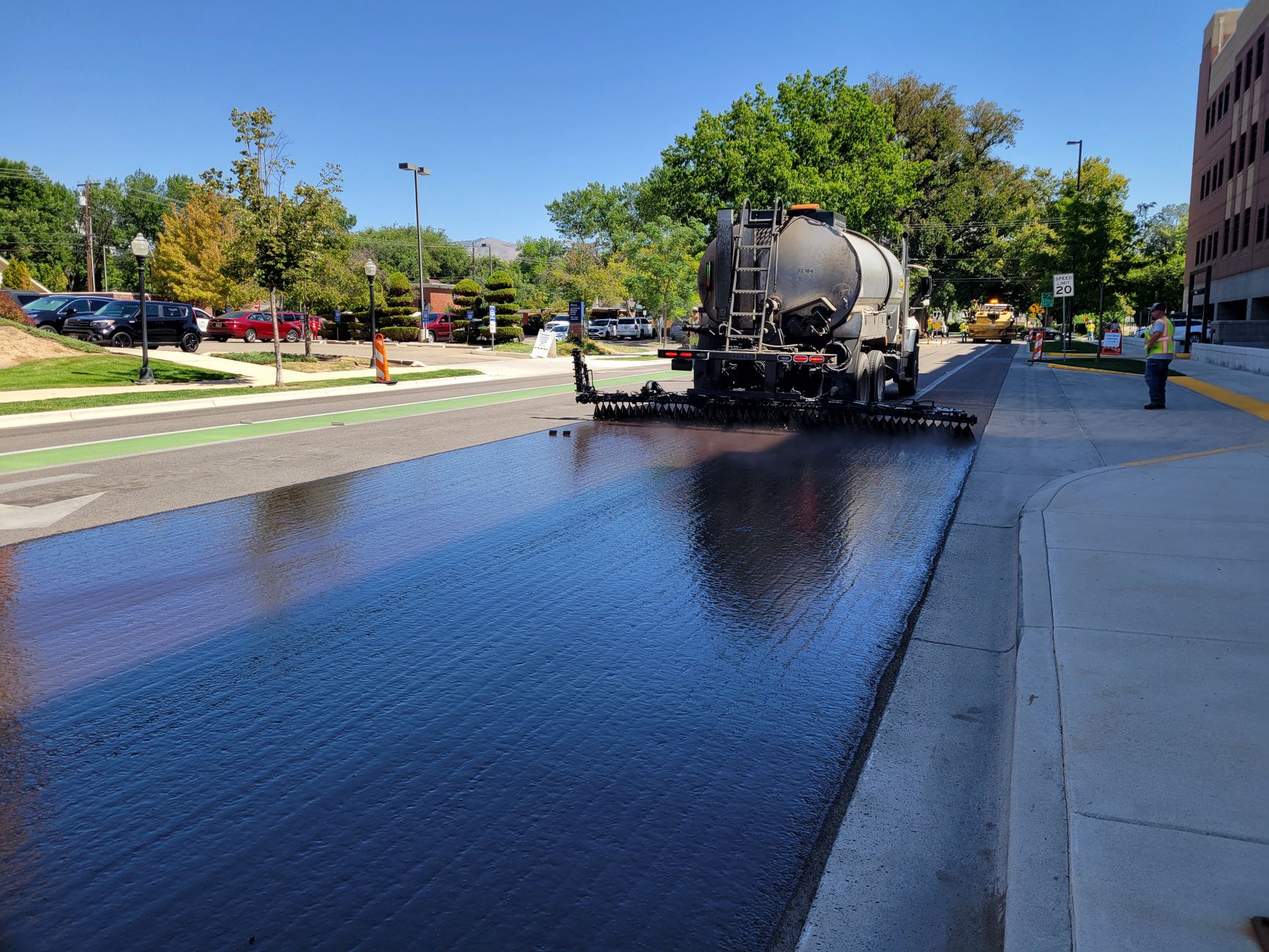
For a resident, Boise’s public transport is a bus system run by Valley Regional Transit, supplemented by a bike-share network, e-scooters, and a Greenbelt path many people actually use to commute. There is no light rail or subway. Most households still own a car, and the system is built around that fact rather than against it.
What agency actually runs Boise’s public transit?
Valley Regional Transit (VRT) is the regional public transportation authority for Ada and Canyon counties, and it operates the bus service branded as ValleyRide within Boise and out to neighboring cities. VRT is a public agency, not a private operator, and its own site publishes current routes, schedules, and fare information — the only place a resident should confirm specifics before relying on them.
There is no separate “Boise Metro” or municipal subway to speak of. The city of Boise coordinates with VRT on transit planning and funds some service, but the buses themselves are a countywide system, which matters for anyone commuting between Boise and its faster-growing suburbs.
How does the bus network work day to day?
ValleyRide runs a set of numbered fixed routes radiating from downtown Boise, with a central hub near the Main Street area where several lines connect. Buses run on published timetables rather than turn-up-and-go frequency, which is the detail that most affects daily use.
- Core routes along corridors like State Street, Fairview Avenue, and Broadway Avenue run more often than routes into outlying neighborhoods.
- Service to suburbs such as Meridian, Eagle, Nampa, and Caldwell exists but on a sparser schedule, making it workable for a fixed commute and much harder for spontaneous trips.
- Evening and Sunday service is reduced on many routes, a pattern VRT documents on its own site rather than something riders should assume stays constant.
For a visitor doing one or two trips, this is a minor inconvenience. For a resident planning a five-day work week around it, it means checking the timetable becomes a habit, not a one-off.
Where does the bus network fall short for residents?
The honest limitation is coverage density. Boise’s population has grown faster than its transit frequency, and large stretches of newer residential development — particularly toward the Boise foothills’ lower edges and out toward the West Bench — sit a genuine walk from the nearest stop. This is consistent with the broader pattern described in how far apart everything in Boise actually is: the city is spread out enough that a car materially changes what’s practical.
Residents who rely on the bus as a primary mode tend to be concentrated near downtown, the Boise State University campus, and the denser corridors along the main arterial roads. Outside those bands, VRT’s own published maps show real gaps.
What does a fare actually cost, and how is it structured?
ValleyRide uses a standard cash or pass fare rather than a zone-based system like larger metros. VRT sells single-ride fares, day passes, and monthly or annual passes, with reduced rates for students, seniors, and riders with disabilities. Because fares are adjusted periodically, a resident should treat any number quoted elsewhere as provisional and check VRT’s own fare page directly before budgeting a monthly cost.
There is no rechargeable smart card of the kind used in larger transit systems; VRT’s current fare payment options are listed on its own site and are worth confirming directly, since payment methods have shifted over time as the agency has modernized.
Is there a train, streetcar, or light rail?
No. Boise has no operating passenger rail or light rail system. Proposals for a Boise-area streetcar or commuter rail along the Treasure Valley corridor have circulated in regional planning documents for years, but as of VRT’s and the city’s own published materials, none is in operation. Anyone planning a car-free life around an assumed rail line should not.
How do students and Boise State University fit into this?
Boise State University sits close to downtown, and its own campus is walkable in a way few other parts of the city are. As detailed in Boise State University’s place in the city, the university’s proximity to downtown bus routes and the Greenbelt makes it one of the few Boise addresses where a resident can plausibly skip car ownership, provided their daily life stays within that radius. VRT and Boise State have historically coordinated on student pass arrangements, which the university’s own transportation and parking services office documents each academic year.

What about biking, scooters, and the Greenbelt as actual transportation?
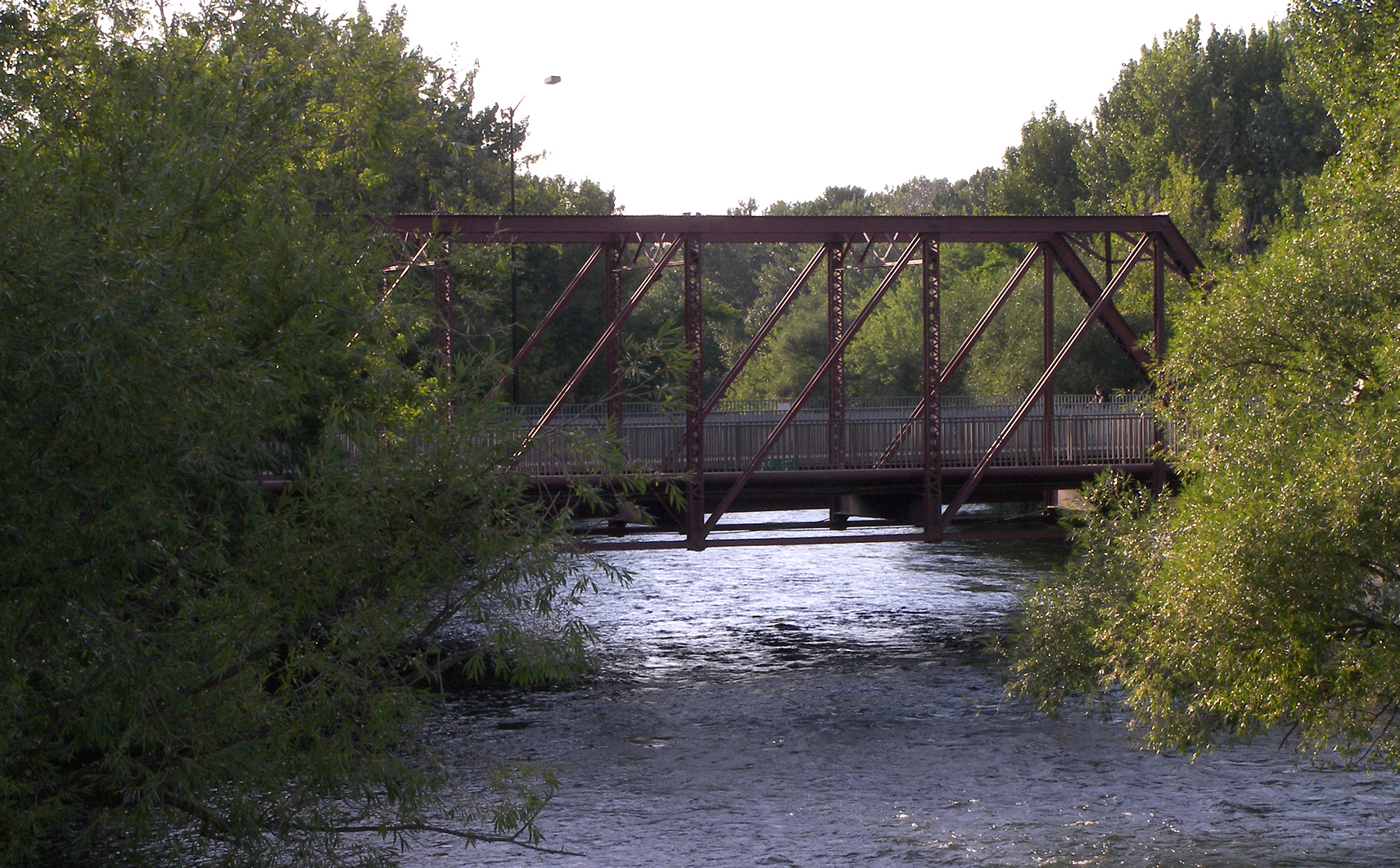
For many residents, the more reliable “public transit” in Boise is the Boise River Greenbelt — a paved multi-use path running the length of the river through the city — used daily for bike commuting rather than only recreation, a pattern covered in the Boise Greenbelt commuting guide. Its flatness and directness through downtown make it genuinely competitive with driving for short commutes.
Boise also has a bike-share program and e-scooter operators permitted by the city, both detailed in Boise’s e-scooter and bike-share options. These function as short-hop connectors — filling the gap between a bus stop and a final destination — more than as a standalone commute solution. Whether cycling works as year-round transport, given Boise’s dry climate and winter conditions, is addressed directly in how good cycling actually is in Boise.
Does the lack of heavy transit shape how people actually live here?
Yes, and it shows up in housing and commuting choices as much as in transit statistics. The absence of rail and the modest bus frequency are part of why car ownership remains close to universal among Boise households, a factor that intersects directly with neighborhood choice — covered in what Boise’s neighborhoods are actually like to live in — and with commute times factored into the cost of living in Boise versus the rest of Idaho. Someone relocating from a city with a subway system should read this as a genuine adjustment, not a footnote; it’s addressed more broadly in what it’s actually like to move to Boise from out of state.
Downtown itself functions differently. Its one-way street grid and compact core mean walking and short bus hops cover a lot of ground once someone is already there, a pattern explored in which parts of Boise are actually walkable and in how downtown Boise parking actually works for the days a car is still involved.
Can a resident realistically live in Boise without a car?
It’s possible in a narrow geographic band — downtown, the North End’s edge, and the Boise State campus corridor — where the bus network, Greenbelt, and bike-share overlap enough to cover daily errands and commuting. Outside that band, VRT’s own route maps show the coverage thinning quickly, and most residents plan around owning a vehicle.
The realistic picture, laid out in what a day in Boise without a car actually looks like, is that it works for specific routines rather than as a citywide default. Boise’s own I-184 Connector — the short freeway spur linking downtown to the interstate — exists precisely because the city was built, and continues to grow, around driving as the primary mode, with transit filling in around the edges rather than replacing it.
For current routes, fares, and service alerts, Valley Regional Transit’s own site remains the source to check directly rather than relying on secondhand summaries, since schedules and pricing are revised periodically. Broader context on how the city functions for someone actually living here, beyond transport alone, is covered in the Living in Boise hub and the wider Getting Around archive.
Access Boise is an independent guide written from published, checkable sources. We have not visited the places described here and we do not publish personal recommendations or invented ‘local favourites’ — where something is singled out as notable, we say who says so. Opening times, fares, closures and prices change at short notice, so treat everything here as a starting point and confirm with the museum, operator or venue directly before building a day around it. We give no advice on visas, insurance, health or safety; use your own government’s official guidance for those.