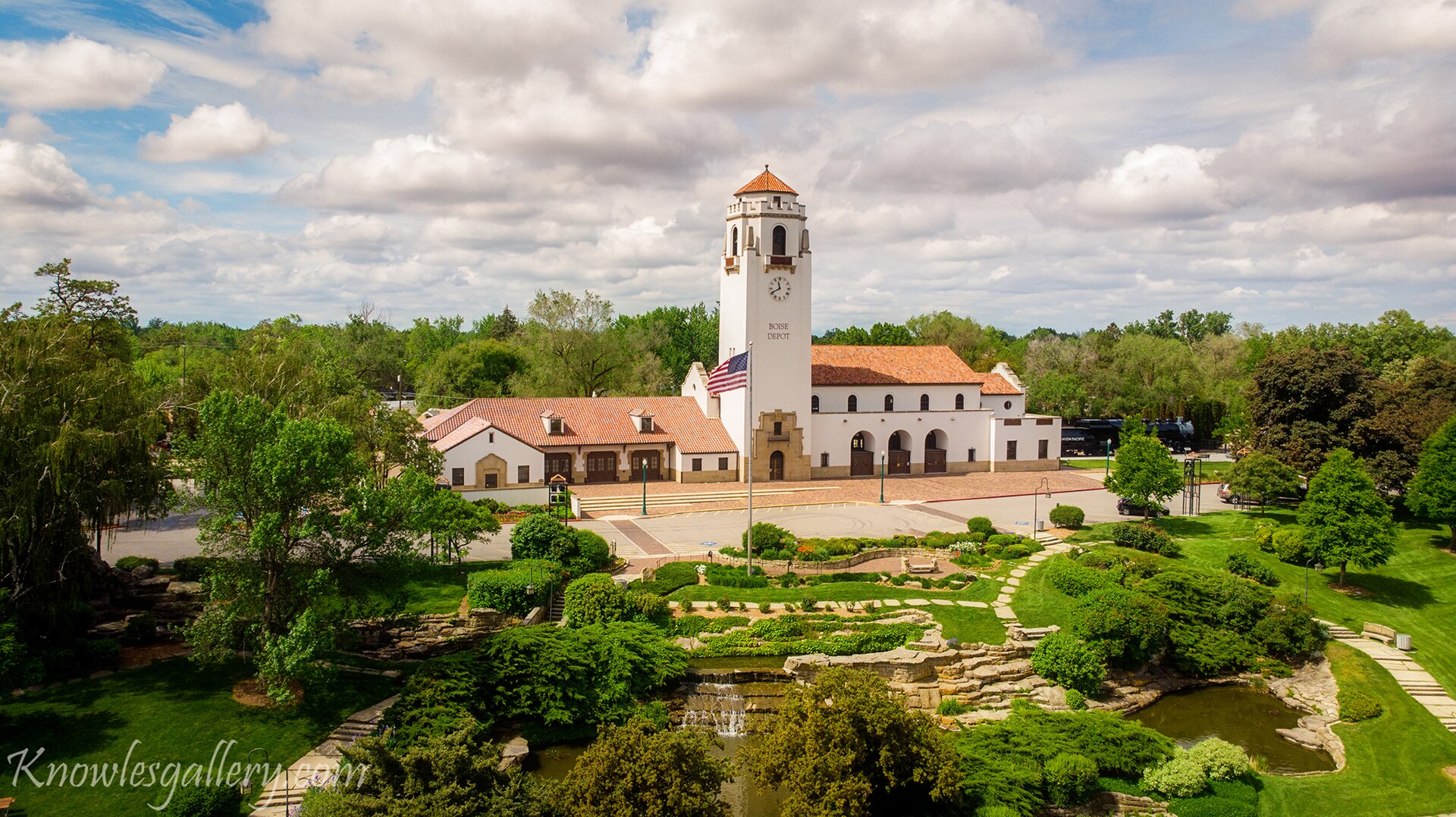
Moving to Boise from out of state means adjusting to a smaller, drier, more car-dependent city than most transplants expect, with housing costs that rose sharply in the early 2020s and have since leveled off. Winters bring inversion smog rather than heavy snow in the valley floor, and summers run hot and dry rather than humid.
Why do so many people move to Boise?
Population growth in Ada County, where Boise sits, has been driven largely by domestic migration rather than international arrivals or births, according to U.S. Census Bureau data cited repeatedly by Idaho’s own state and regional planning bodies. Remote work flexibility after 2020, relative housing affordability compared to West Coast metros at the time, and proximity to public land are the reasons most commonly cited in coverage of the trend, though the pace of that migration has slowed from its pandemic-era peak.
Is Boise expensive to move to now?
It is more expensive than it was a decade ago, and less of a bargain than its early-2020s reputation suggested, but it remains below several West Coast markets on typical housing cost measures. The city’s housing market rose fast and then cooled; the mechanics of that shift, including how prices moved by neighborhood, are covered in what has happened to Boise’s housing market. Renters and buyers researching a specific move should treat any figure as a snapshot and confirm current numbers through local real estate listings rather than national averages, since Boise’s market has diverged from broader Idaho and from national trends at different points.
Which neighborhood should a newcomer look at first?
There is no single answer — it depends on commute, budget, and whether proximity to the foothills or to downtown matters more. Boise’s neighborhoods function differently from one another: the North End is walkable and historic, the Bench areas are flatter and more affordable, and the newer growth corridors sit further from downtown. A neighborhood-by-neighborhood breakdown is covered in Boise’s neighborhoods, explained, and the neighborhoods archive covers individual districts in more depth, including how the Central Bench developed as a distinct area of the city.
Many newcomers end up outside Boise’s city limits entirely, in the surrounding valley. Eagle and Meridian have absorbed much of the region’s newest housing stock, and Nampa further west has its own separate downtown and economy. None of these are Boise neighborhoods; they are their own incorporated cities in the Treasure Valley, a distinction that matters for anyone comparing school districts, tax rates, or commute times.

Do you need a car to live in Boise?
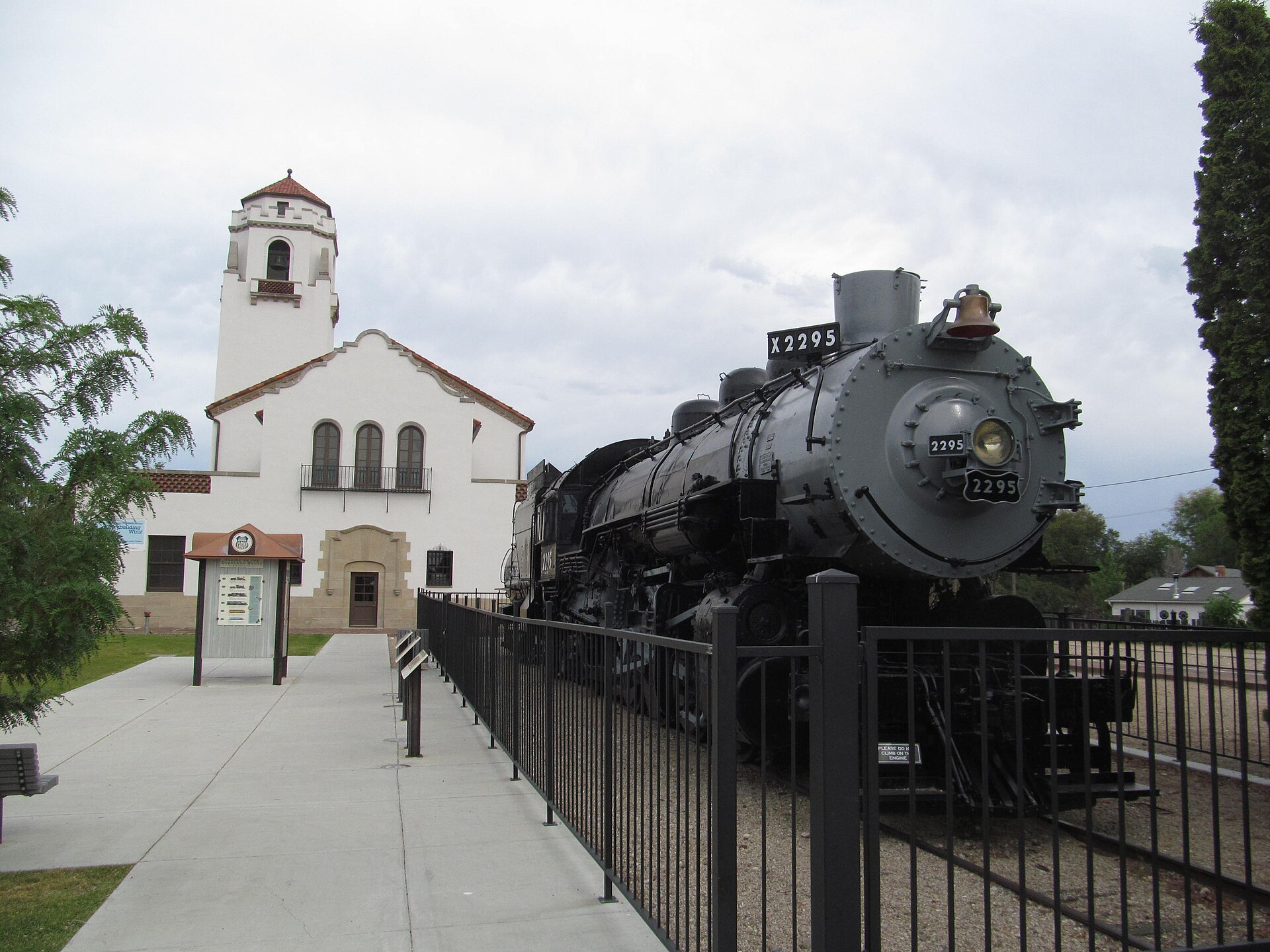
Most residents do. Boise has a walkable downtown core and a growing bike network, but the metro area is built around arterial roads and a valley-wide layout that assumes driving for anything outside the center. The question of whether a car is strictly necessary, and what the alternatives look like, is addressed directly in do you need a car in Boise. Valley Regional Transit operates the area’s bus network, and the city’s own bike infrastructure has expanded, but neither replaces a car for commuting from the suburbs or reaching the foothills reliably.
What does the climate actually feel like across a year?
Boise sits in a high-desert climate zone with low humidity, a factor that surprises transplants from wetter states more than temperature does. Summers are hot and dry, with stretches of triple-digit heat covered in what Boise summer heat is actually like. Winters are milder than many newcomers assume for an inland Western city, but the valley experiences temperature inversions that trap smog and haze for days at a time, a pattern explained in what Boise winter is actually like. The dry air itself, tied partly to the city’s elevation, changes everything from skin and sinuses to how quickly laundry dries, a subject covered separately in Boise’s elevation and dry air explained.
What is the job market like for someone relocating?
Idaho’s Department of Labor publishes regional employment data showing the Boise metro’s economy weighted toward healthcare, technology, government, and food processing and agriculture tied to the wider Treasure Valley. Boise State University is one of the region’s largest employers and anchors a downtown-adjacent campus. Anyone relocating for work should verify current sector data and wage figures directly through the Idaho Department of Labor’s own published statistics rather than secondhand summaries, since regional labor markets shift year to year.
How does the city’s growth show up day to day?
Growth is visible in traffic on arterial roads that were not built for current volumes, in construction on the valley’s edges, and in the gap between Boise’s older, denser core and its newer, car-oriented fringe. West Boise’s growth illustrates this pattern concretely: an area that was largely undeveloped decades ago now holds much of the city’s newer housing and retail. The city of Boise’s own planning department publishes growth and land-use data that residents can consult directly for a fuller picture than any single article can offer.
What do people underestimate before moving?
- How dependent daily life is on a car outside the downtown core.
- How dry the air is, distinct from simply “not raining much.”
- How much winter air quality, not snow, defines the season in the valley.
- How much closer public land is than in most mid-sized American cities — the foothills trail network begins at the edge of residential streets.
- How much of the region’s population actually lives outside Boise proper, in Meridian, Eagle, Nampa, or Kuna.
How close is outdoor access, really?
Closer than most transplants expect from a description alone. The Ridge to Rivers trail system connects directly to neighborhood streets on the city’s north side, and details on how that network is organized are covered in what the Ridge to Rivers trail system is. The Boise River Greenbelt runs through the city itself, and Bogus Basin, the area’s nearest ski area, sits a drive rather than a flight away. This proximity is one of the more consistently cited reasons for relocation in coverage of the city’s population growth, though it is worth treating as one factor among several rather than the whole story.
Where should a new resident start researching further?
The Living in Boise hub is built for exactly this question, gathering coverage of neighborhoods, housing, transport, and seasonal patterns in one place. The Living in Boise archive holds the fuller run of related articles, and the Boise Practical hub covers the mechanics of getting around, driving conditions, and planning specifics that matter more once the decision to move is already made. None of it substitutes for direct research through the city of Boise’s own published data, Ada County’s planning records, or Idaho’s state labor statistics, which remain the most current sources for anyone making the move rather than reading about it.
Access Boise is an independent guide written from published, checkable sources. We have not visited the places described here and we do not publish personal recommendations or invented ‘local favourites’ — where something is singled out as notable, we say who says so. Opening times, fares, closures and prices change at short notice, so treat everything here as a starting point and confirm with the museum, operator or venue directly before building a day around it. We give no advice on visas, insurance, health or safety; use your own government’s official guidance for those.
Featured image: Photo by Charles Knowles from Meridian Idaho, USA, source, CC BY 2.0
.jpg)