A Boise house typically draws electricity from Idaho Power, natural gas from Intermountain Gas Company, and water and sewer service from a mix of a private water utility and the city’s public works department. A portion of the city — mostly downtown and the East End — is also heated by piped geothermal water instead of, or alongside, gas. Trash and recycling run through a city contract, not a free market of haulers.
None of this is unusual by American standards, except the geothermal part. Boise sits on a shallow geothermal aquifer along the base of the foothills, and three separate systems tap it: one of the oldest continuously operating geothermal district heating systems in the country, a municipal system built by the city in the 1980s, and a state-owned system that heats the Capitol complex. Understanding a Boise utility bill means understanding which of these systems, if any, actually touches the house in question.
Who supplies electricity in Boise?
Idaho Power, an investor-owned utility regulated by the Idaho Public Utilities Commission, is the sole electric provider for Boise and most of the Treasure Valley. There is no residential choice of electric supplier the way some states allow.
Idaho Power’s own reporting describes a generation mix built heavily on hydroelectric dams along the Snake River system, supplemented by other sources; exact fuel-mix percentages and current rate schedules are published on the utility’s own site and change from year to year, so a resident or landlord should check there directly rather than rely on a fixed figure. Rates and any seasonal rate structures are also set through the Idaho Public Utilities Commission’s regulatory process, not by the company alone.
Who supplies natural gas?
Intermountain Gas Company is the natural gas utility for Boise and most of southern Idaho. Like electricity, it is a single regulated provider rather than a competitive market — a household does not choose between gas companies, only between using gas or not for a given appliance.
Most Boise houses built from the mid-20th century onward use gas for space heating, water heating, and often cooking, unless they sit inside one of the geothermal service areas described below or have been converted to all-electric heat.
What is Boise’s geothermal district, and how does it heat houses?
Geothermal district heating in Boise means hot water — not steam, and not electricity generated from heat — pumped from underground wells directly into buildings through insulated pipes, then returned to the aquifer or disposed of after use. It heats buildings and domestic hot water; it does not typically produce a household’s electricity.
Three distinct systems exist, and a given house is served by, at most, one of them:
- Boise Warm Springs Water District serves a corridor of historic homes along Warm Springs Avenue in the East End. The Idaho State Historical Society and city histories describe it as dating to the late 1800s, making it one of the oldest geothermal district heating systems in continuous use in the United States.
- The City of Boise’s municipal geothermal system was developed in the early 1980s and, according to the city’s own description of the program, delivers geothermal heat to dozens of downtown and East End customers, including public buildings such as City Hall, along with commercial buildings and some residential customers within its service footprint.
- The Capitol Mall geothermal system is owned and operated by the State of Idaho and heats the Idaho State Capitol and nearby state office buildings; it is separate from the city’s system and not available to private residential customers.
For a house, the practical question is simply whether the property lies within one of the city or Warm Springs service boundaries. Houses inside those boundaries can connect to geothermal heat as an alternative or supplement to gas; the vast majority of Boise houses, sitting outside those narrow corridors, heat conventionally with gas or electric systems. Anyone evaluating a specific address should confirm service availability through the City of Boise’s own geothermal program rather than assume it based on neighborhood reputation.

Who handles water and sewer?
Drinking water to most Boise houses is delivered by a private, regulated water utility that has operated in the city for well over a century under various corporate names; a resident can confirm the current operating name and current rates through the Idaho Public Utilities Commission, which regulates its pricing the same way it regulates Idaho Power.
Sewer service is different: wastewater collection and treatment in Boise is run by the City of Boise’s own public works department, which operates the city’s water renewal facilities. The city’s own materials describe treated water being returned to the Boise River or reused, and separate stormwater fees on a utility bill typically fund pipe and drainage maintenance rather than treatment itself.
How does trash and recycling work?
Boise does not have an open market of competing garbage haulers going door to door. The city contracts with a single hauler for curbside collection, and residents typically receive color-coded carts for garbage, recycling, and yard or food waste under the city’s own published collection rules. Specific accepted materials, cart sizes, and collection-day schedules are set and updated by the city and should be checked on the city’s own site rather than assumed from a previous address, since rules on items like glass or compostables have changed over time.
What about internet and phone service?
Boise houses are served by a mix of cable, fiber, and wireline internet providers whose specific footprints vary block by block, particularly in newer subdivisions versus older infill neighborhoods. Because provider coverage changes as networks are built out, the reliable way to check what is actually available at a specific address is to search that address directly on a provider’s own site rather than rely on general claims about the city.
How much do utilities typically cost in a Boise house?
Actual dollar figures are the least durable part of this picture — rates for electricity, gas, and water are all set through regulatory filings and change on their own schedules, and a number printed today may be out of date within a year. What is durable is the shape of a Boise bill: an electric charge from Idaho Power, a gas charge from Intermountain Gas for most houses outside the geothermal footprint, a water charge from the regulated water utility, a sewer and stormwater charge from the city, and a trash charge tied to the city’s contracted hauler.
Readers comparing costs against other Idaho cities, or deciding whether Boise utility costs matter much against rent or a mortgage, may find more context in a broader look at the cost of living in Boise versus the rest of Idaho, which sets utility costs against housing and other recurring expenses.
What should someone moving to Boise know about setting up utilities?
The practical order is usually electric and gas first, since both require an account tied to a specific move-in date, followed by water/sewer and trash, which in many houses are billed by the city or its contracted providers rather than set up individually by a new resident. Whether geothermal is even a relevant question depends entirely on the address; it is worth checking with the city or the Warm Springs district directly rather than assuming based on the house’s age or neighborhood.
New residents comparing neighborhoods for exactly this kind of practical detail — what’s on the geothermal loop, what’s on a slower-to-plow street in winter, what an older East End house’s heating system actually is — may find it useful to read a broader account of what Boise’s neighborhoods are actually like to live in alongside a general primer on what it’s like to move to Boise from out of state.
For anyone weighing utilities against a wider decision about where and how to live in the city, the Living in Boise hub and the Living in Boise archive cover related ground, from schooling to the job market, and the explanation of what happened to Boise’s housing market gives useful context for why utility infrastructure in older, established neighborhoods sometimes differs sharply from newer subdivisions on the valley floor.
Broader practical planning — moving logistics, seasonal considerations, and how the city actually runs day to day — is covered across the Planning & Practicalities archive.
Access Boise is an independent guide written from published, checkable sources. We have not visited the places described here and we do not publish personal recommendations or invented ‘local favourites’ — where something is singled out as notable, we say who says so. Opening times, fares, closures and prices change at short notice, so treat everything here as a starting point and confirm with the museum, operator or venue directly before building a day around it. We give no advice on visas, insurance, health or safety; use your own government’s official guidance for those.
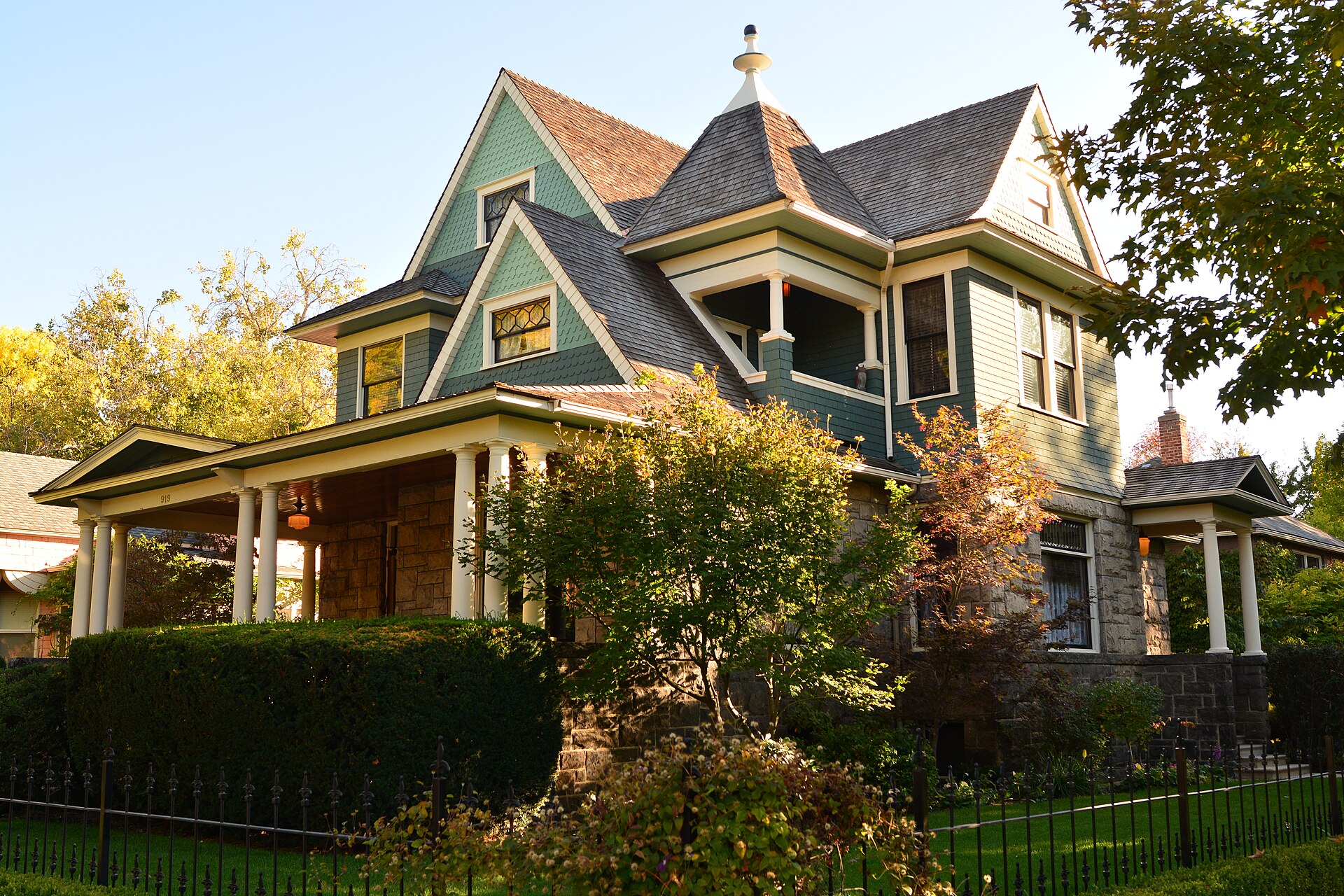
Featured image: Photo by Joe Mabel, source, CC BY-SA 4.0
