An entirely indoors Boise day means moving between a small cluster of downtown museums, the State Capitol, and one or two historic public buildings, using sidewalks and a short bus ride rather than a car, so that nothing on the plan requires being outside for longer than the walk between doors. Boise’s downtown core is compact enough that this is a realistic day, not a workaround.
Why would a Boise day need to be entirely indoors?
Boise has three recurring weather conditions that push people inside for stretches of a day or a season: a winter temperature inversion that traps cold, stagnant air in the valley; summer heat that regularly climbs past 95°F; and a wildfire smoke season in late summer when air quality can drop for days at a time. Any of these is reason enough to plan a day around buildings rather than streets.
These aren’t rare events. The mechanics of each are covered in detail elsewhere on this site — see how the winter inversion forms and clears, what a Boise summer actually feels like by midday, and how the city’s smoke season is timed and tracked. An indoors day works as a deliberate response to any of these, not just bad luck.
Which museums make up the core of an indoors day?
Four institutions sit within or near downtown and can be strung together on foot: the Idaho State Museum, the Boise Art Museum, the Basque Museum & Cultural Center, and the Discovery Center of Idaho.
- The Idaho State Museum is operated by the Idaho State Historical Society and holds the state’s own collection of Idaho history, from Indigenous material culture through territorial and mining history to the twentieth century. The society’s own site describes its exhibits and current hours.
- The Boise Art Museum, adjacent to Julia Davis Park, holds a permanent collection built around Northwest and contemporary American art and runs a rotating schedule of temporary exhibitions, as described on its own site.
- The Basque Museum & Cultural Center sits on the Basque Block on Grove Street and is the institution of record for Basque immigration history in Idaho — the National Park Service and the museum’s own materials both identify the block as the center of that community’s history in Boise.
- The Discovery Center of Idaho is a hands-on science museum aimed primarily at children and families, with exhibits built around physics, engineering and biology rather than a fixed historical collection.
None of these require advance booking as a rule, though the operator’s own site is the place to confirm current hours, since museums in Boise commonly close on Mondays and adjust hours seasonally. A broader view of which of them offer free admission or a free day is covered on this site’s guide to which Boise museums are free.
Is the Idaho State Capitol worth building the day around?
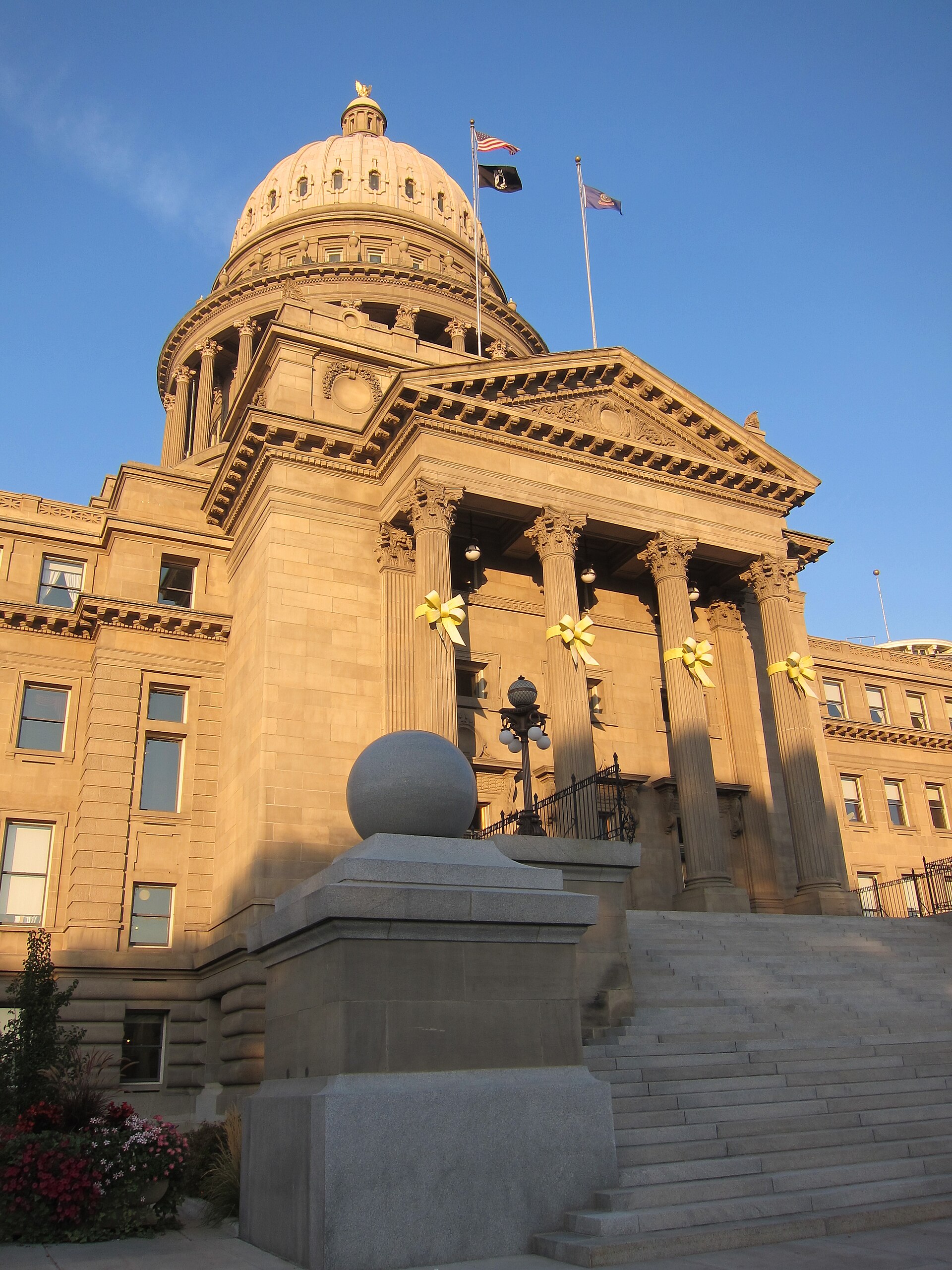
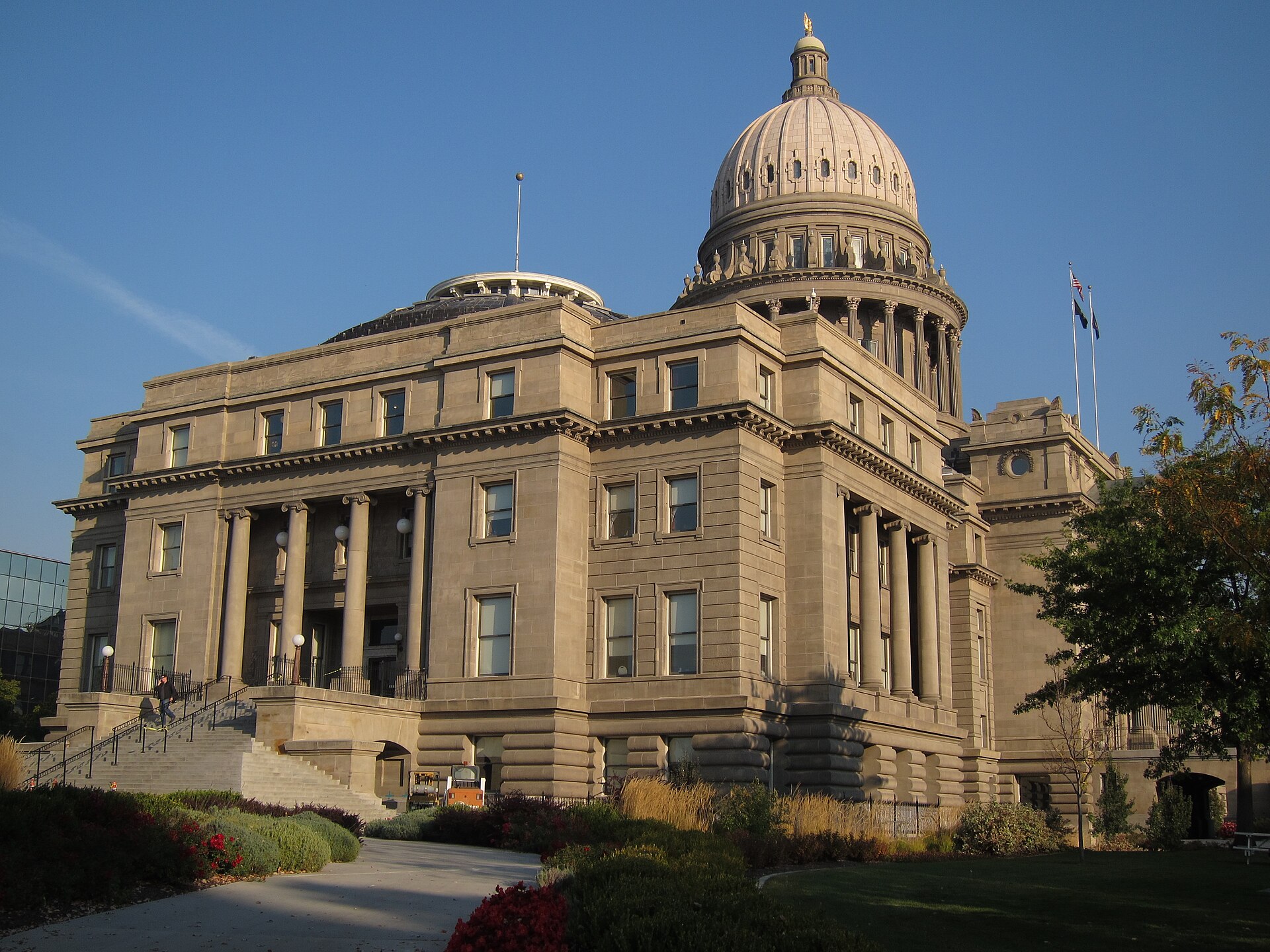
Yes — it is a working government building open to self-guided visits, and one of the few state capitols in the country heated by its own geothermal well system. Its rotunda, chambers and public art are viewable without a ticket during open hours.
The building sits at the top of Capitol Boulevard and is worth treating as a stop in its own right rather than a photo backdrop. What to actually look for inside — the chambers, the rotunda, the building’s public art — is covered on this site’s guide to visiting the Idaho State Capitol, and the geothermal system that heats it is explained separately at how the Capitol’s geothermal heating works. That system is connected to the wider municipal network described in the guide to Boise’s geothermal system.
.jpg)
What about a historic indoor venue that isn’t a museum?
The Egyptian Theatre, on Capitol Boulevard downtown, is a 1927 movie palace built in the Egyptian Revival style that swept the country after the discovery of Tutankhamun’s tomb. It still operates as a working cinema and event venue and is listed on the National Register of Historic Places.
An afternoon film there — or simply the building’s lobby and auditorium, when open for an event — is a legitimate way to fill an indoor block of the day without it being a museum stop. What the building is and why it looks the way it does is explained at why the Egyptian Theatre looks Egyptian.
How do you move between these stops without going back outside for long?
Downtown Boise’s museum cluster — the State Museum, the Art Museum and the Basque Block — sits within about a fifteen-minute walk of the Capitol, and the Discovery Center is a similarly short walk from the others. That density is what makes an indoors day possible at all rather than a theoretical exercise.
For the stretch between exposure, the practical choices are the same ones that govern any downtown Boise day:
- Walking short blocks, which the city’s grid is built for — see which parts of Boise are walkable.
- A short ride on Valley Regional Transit’s bus network, which the operator’s own site maps by route.
- Parking once, downtown, and treating the day as a walking loop from there — see how downtown Boise parking works.
None of this requires a car for the day once you’re parked or dropped downtown, which is the same logic covered more broadly in the guide to whether you need a car in Boise.
Does the plan change by season?
It changes what’s driving the decision, not the venues themselves. In winter, an indoors day is usually a response to the inversion trapping cold, hazy air in the valley — a condition explained fully in the guide to planning a Boise day during the inversion. In summer, it’s a response to heat that makes an afternoon on pavement genuinely unpleasant, covered in planning a Boise day at 100°F. In late summer, it can be wildfire smoke rather than heat or cold.
Museum hours themselves shift less than weather does — the Idaho State Historical Society and Boise Art Museum both publish seasonal schedules, and both are more likely to have extended hours or free evenings in the cooler months, which is worth checking directly on their own sites before building a day around them.
What does an indoors day skip, and does that matter?
It skips the Boise Greenbelt, the foothills trail network, and the outdoor plazas and parks that define how the city is usually described. That’s the deliberate trade-off, not an oversight — the counterpart to this plan is laid out in a Boise day that is entirely outdoors, and most visitors will do some version of both across a longer stay.
For a resident, an indoors day of this kind tends to happen a handful of times a year — an inversion week in January, a smoke-heavy stretch in August — rather than as a regular pattern. For a visitor with a single bad-weather day in an otherwise outdoor-focused trip, it’s a way to keep the day productive rather than losing it. Either way, the same four or five buildings do the work: nothing here depends on the sky cooperating.
Related reading
what the city is like to actually live in, getting around, planning, itineraries, food and the foothills, museums, landmarks, neighbourhoods and day trips.
Access Boise is an independent guide written from published, checkable sources. We have not visited the places described here and we do not publish personal recommendations or invented ‘local favourites’ — where something is singled out as notable, we say who says so. Opening times, fares, closures and prices change at short notice, so treat everything here as a starting point and confirm with the museum, operator or venue directly before building a day around it. We give no advice on visas, insurance, health or safety; use your own government’s official guidance for those.
Featured image: Photo by Roman Eugeniusz, source, CC BY-SA 3.0
.jpg)