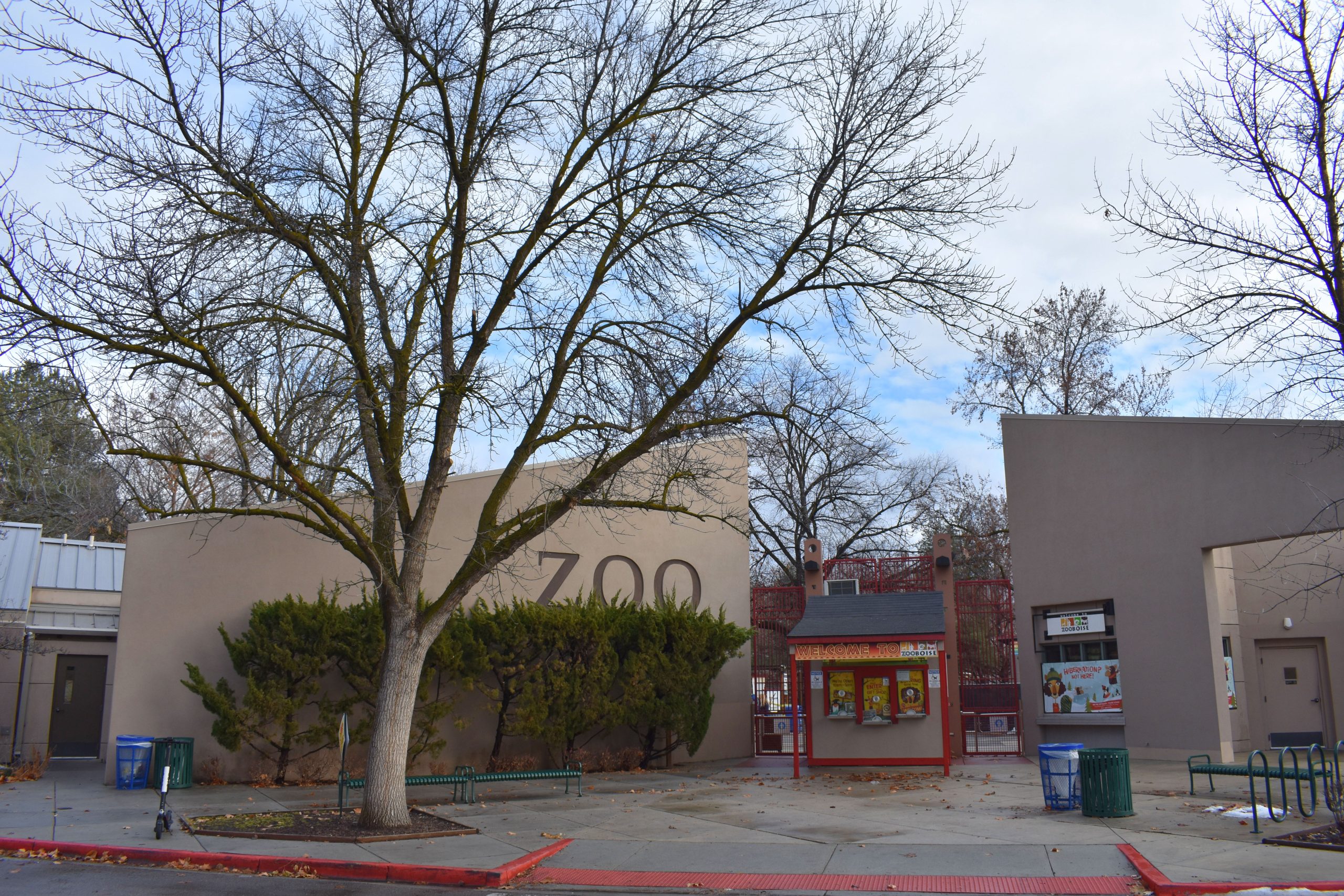
Zoo Boise is a city-owned zoo in Julia Davis Park, operated by Boise Parks and Recreation, holding a mixed collection of native Idaho species and animals from Africa, Asia and South America. Its conservation fee is a small surcharge added to every admission ticket, set aside in a dedicated fund and distributed to wildlife conservation projects the zoo selects each year.
What is Zoo Boise?
Zoo Boise is a municipal zoo run as a department of the City of Boise, sitting inside Julia Davis Park near the Boise River. It has operated on the site since the early 20th century and functions today as both a public animal collection and a base for the city’s conservation-fundraising work. Unlike a private or nonprofit zoo, it is a city facility, and its budget, admission structure and expansion plans are set through Boise’s own parks and recreation programme.
The zoo shares Julia Davis Park with several of Boise’s major cultural institutions, including the Idaho State Museum, the Discovery Center of Idaho and the Boise Art Museum, which makes the park itself one of the densest concentrations of visitor attractions in the city.
How does the conservation fee work?
Zoo Boise adds a modest conservation fee to the price of every ticket, and that money is ring-fenced from general admission revenue rather than absorbed into the zoo’s operating budget. The zoo’s own site describes this as its Quarters for Conservation model: a small, fixed amount per visitor accumulates into a dedicated pool, which the zoo then grants out to conservation organisations working with wild populations of species the zoo also holds in captivity.
A distinctive feature of the programme, as Zoo Boise describes it, is visitor participation. Guests are typically given a token or similar marker at admission and can place it in a box corresponding to one of several conservation projects on offer that year, effectively voting on how a portion of the pooled fee is allocated among finalists the zoo has already vetted. The zoo, not the visitor, decides which projects qualify for consideration; the visitor’s role is choosing among a shortlist.
Because this is a fee structure that has changed and been refined over time, and because the exact amount per ticket is the kind of figure that moves with budgets, readers should confirm the current fee and how it is itemised on Zoo Boise’s own site before visiting, rather than relying on a fixed number here.
Where does the conservation fee money actually go?
Zoo Boise publishes, through its own communications, the list of conservation partners and projects it funds in a given cycle, typically field conservation work tied to species represented in the zoo’s own collection — the kind of link a zoo needs to justify keeping the animal in captivity at all. Past funding has gone to organisations working on cheetah conservation in the wild, reflecting the zoo’s long-standing collection focus on cheetahs and its formal ties to cheetah conservation groups.
This model, sometimes described in zoo-industry literature as originating at Zoo Boise, has since been adopted in some form by other North American zoos, which is one reason Zoo Boise is occasionally cited in professional zoo and aquarium publications as a case study in visitor-directed conservation funding rather than only as a small-city zoo.
What animals does Zoo Boise hold?
Zoo Boise’s own site describes a collection built around two strands: species native to Idaho and the broader Rockies, and non-native species from Africa, Asia and South America housed in themed sections of the grounds. The zoo has long been associated with cheetahs specifically, maintaining a breeding and exhibition programme tied to its conservation-fee partnerships with cheetah field-research groups.
Because exhibit lineups change as animals age, are moved between accredited institutions, or as enclosures are renovated, the current roster of species on view is best checked directly against Zoo Boise’s own site rather than assumed from any list published elsewhere, including this one.
Where is Zoo Boise, and how do visitors reach it?
Zoo Boise sits inside Julia Davis Park, on the south side of downtown Boise along the Boise River, within walking distance of the Boise River Greenbelt path that runs the length of the river through the city. The park is also served by city bus routes operated by Valley Regional Transit, and has on-site parking, though capacity there is limited on high-traffic days such as weekends in warmer months.
Because it sits in the same park cluster as several museums, visitors who plan a day around Julia Davis Park are effectively choosing among the zoo and its museum neighbours, and should expect the park itself, not any single institution, to set the pace of a visit.
When is Zoo Boise open, and does the season matter?
Zoo Boise operates on a seasonal schedule typical of outdoor zoos in a climate with cold winters and hot summers: reduced hours and a smaller subset of animals visible outdoors in winter, and full hours with the complete collection on view through the warmer months. Some exhibits are indoor or climate-controlled year-round, but outdoor sections tied to hardier or cold-adapted species may be more active to visit in winter than the height of summer, when animals retreat to shade during the hottest part of the day.
Because opening hours, seasonal closures and any holiday closures change from year to year, readers should treat any specific hours quoted elsewhere as provisional and confirm the current schedule on Zoo Boise’s own site before travelling.
How does Zoo Boise’s fee compare to other Boise museums and attractions?
Zoo Boise is unusual among the city’s paid attractions in building a named conservation surcharge directly into its ticket structure and disclosing where that money goes. Most of Boise’s other major paid institutions — the Old Idaho Penitentiary, the Idaho State Museum, and the Boise Art Museum — set a single admission price without a comparable itemised add-on, though several offer their own discounted days or membership schemes through their own sites.
For residents weighing an annual membership against single-visit tickets, Zoo Boise’s own site is the only reliable source for current membership tiers, since these are revised periodically and often bundle reciprocal access to other accredited zoos in the region.
What else sits near Zoo Boise in Julia Davis Park?
Julia Davis Park is the anchor for several of the attractions covered in Access Boise’s own Museums & Galleries archive and its Landmarks & Sights archive, including the Idaho State Museum’s collection on state history and the Discovery Center of Idaho’s hands-on science exhibits. The park also contains a rose garden, paddleboat pond and open lawns used for city events, making it one of the few places in Boise where a single afternoon can reasonably combine a zoo visit with a museum stop.
Visitors planning entry logistics, accessibility needs or current pricing for any of these institutions should consult each operator’s own site directly, since Access Boise does not operate or sell tickets to any of them and does not hold current pricing as fixed fact.
Access Boise is an independent guide written from published, checkable sources. We have not visited the places described here and we do not publish personal recommendations or invented ‘local favourites’ — where something is singled out as notable, we say who says so. Opening times, fares, closures and prices change at short notice, so treat everything here as a starting point and confirm with the museum, operator or venue directly before building a day around it. We give no advice on visas, insurance, health or safety; use your own government’s official guidance for those.
Featured image: Photo by Tamanoeconomico, source, BY-SA