The Western Idaho Fair is an annual county-style fair held each August at Expo Idaho, a fairgrounds in Garden City, immediately west of downtown Boise. It combines a carnival midway, livestock and 4-H competitions, agricultural exhibits, food vendors and grandstand entertainment over roughly ten days. It is run under Ada County government, not a private promoter.
Where Is the Western Idaho Fair Held?
The fair takes place at Expo Idaho, a permanent fairgrounds complex in Garden City. Garden City is a separate incorporated municipality entirely surrounded by Boise, with its own city government — a distinction covered in detail in what Garden City is and why it’s a separate city. Expo Idaho holds barns, a grandstand, exhibit halls and open grounds used for the fair’s midway and vendor rows, and the same site hosts other events — trade shows, expos, concerts — throughout the rest of the year.
When Does the Fair Happen?
The Western Idaho Fair runs for about ten days in August, a pattern it has held for decades. Exact dates shift year to year, so readers should confirm the current schedule on the fair’s own site before planning around it. August in the Treasure Valley is reliably hot and dry, a climate pattern described in more detail in the site’s explainer on what a Boise summer is actually like, and that heat shapes fairgoers’ days as much as the schedule of events does — most crowd and traffic pressure builds in the evening once temperatures drop.
What Happens at the Fair?
The fair is built around a small number of recurring elements, common to American county and regional fairs generally:
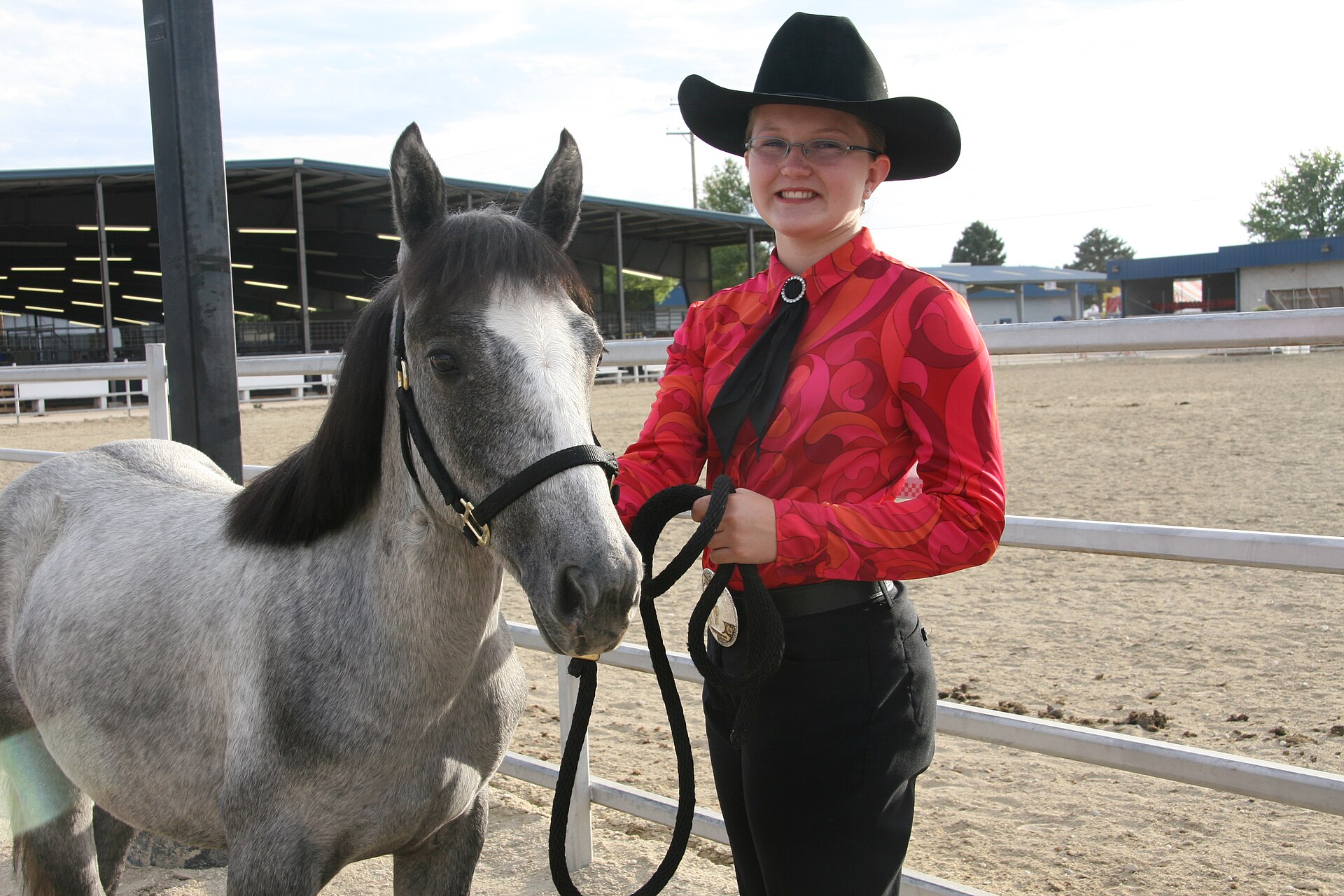
- Livestock and 4-H/FFA competitions — junior exhibitors show and sell animals raised through 4-H and Future Farmers of America programmes, a core part of the fair’s original agricultural purpose.
- A carnival midway — rides, games and food concessions operated by a contracted carnival company, set up and torn down specifically for the run of the fair.
- Exhibit halls — competitive categories in produce, baking, canning, crafts, photography and similar home-arts entries, judged and displayed publicly.
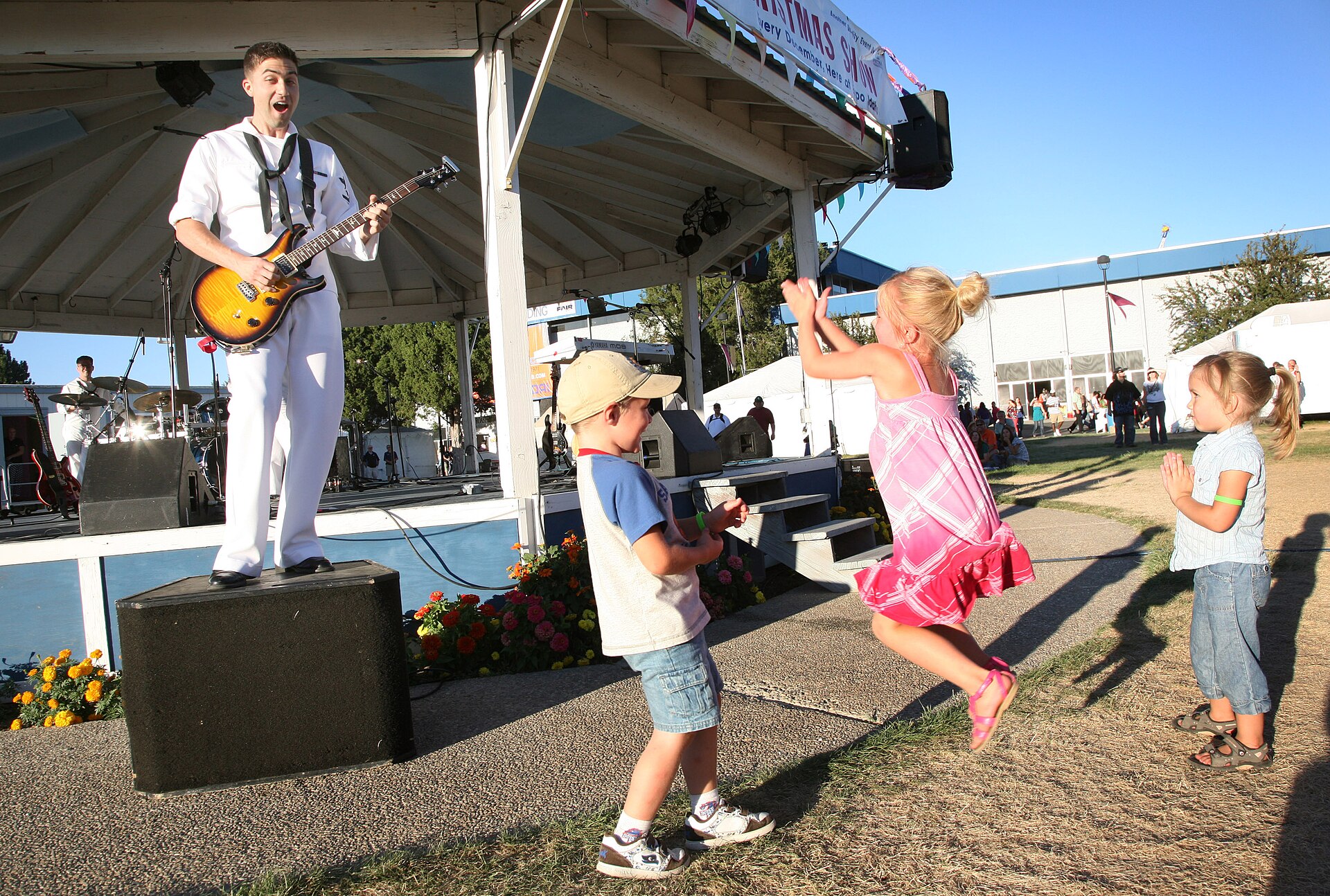
- Grandstand entertainment — ticketed concerts and other performances staged separately from general fair admission.
- Commercial and community vendor booths — local businesses, nonprofits and state or county agencies with informational or sales booths.
Admission, ride wristbands and grandstand tickets are typically priced and structured separately, and prices change from year to year, so any specific figure should be checked directly on the Western Idaho Fair’s own site rather than assumed from a prior year.
Who Runs the Fair?
The Western Idaho Fair operates as a function of Ada County government rather than a private festival company. By its own account, the fair traces its roots to territorial and early-statehood agricultural exhibitions held in the region in the late nineteenth century, evolving over time into the fixed, county-run event held today. That civic ownership is worth noting for residents: unlike a privately ticketed festival, the fair board answers to county governance structures, and its policies on things like youth livestock sales, vendor selection and grounds use are set through that process.
How Does It Compare to Boise’s Other Big Annual Events?
Boise has a handful of recurring events that reshape the city for a stretch of days, and the fair is one of the largest by attendance, though it functions differently from the others. Jaialdi, the Basque cultural festival, happens roughly every five years and centers on the Basque Block downtown. Treefort Music Fest is a multi-venue music and arts festival spread across downtown venues each spring. The Western Idaho Fair, by contrast, is a single-site, single-operator event held at a purpose-built fairgrounds outside the downtown core, with an agricultural and community-fair character rather than a music or cultural-heritage one. Residents who plan their August around the valley’s event calendar generally treat the fair, Jaialdi (in its years) and Treefort as three distinct kinds of disruption, each requiring different planning.
How Does the Fair Affect Traffic and Parking in Garden City?
Because Expo Idaho sits on a fixed site with finite parking, the fair’s ten-day run reliably increases traffic on the surrounding Garden City streets and nearby stretches of Chinden Boulevard, particularly in the evenings when the midway and grandstand events draw the heaviest crowds. Fairgrounds parking is typically paid and on-site, with capacity limits during peak hours; the fair’s own site is the source to check for current parking arrangements and any shuttle or overflow options in a given year.
Valley Regional Transit, the region’s public bus operator, is the relevant authority for anyone planning to reach the fairgrounds without driving; its route network and any fair-specific service adjustments are covered in the site’s explainer on what Valley Regional Transit is and where the bus goes. For a broader look at whether a car is necessary for a Boise-area visit at all, see whether you need a car in Boise.
Is the Fair Worth Building a Boise Visit Around?
That depends entirely on what a visitor wants from the trip. The Western Idaho Fair is a genuine regional institution — Ada County’s own fairgrounds hosting a county-run agricultural fair — rather than a tourist attraction built for out-of-town visitors, and it draws heavily from the local Treasure Valley population rather than long-distance travelers. Anyone weighing an August trip against other seasons should read the site’s broader answer on when the best time of year to visit Boise actually is, which weighs fair-season heat and crowding against the calmer shoulder seasons.
Is the Fair Useful to People Who Live Here?
For residents, the fair functions less as a spectacle and more as an annual civic fixture — the point in the calendar when 4-H kids from across Ada County show animals they’ve raised all year, when home-arts categories get judged in public, and when a fairgrounds otherwise used for trade shows and expos fills with a genuinely local crowd rather than tourists. Longtime residents often plan around it the way they plan around any other fixed annual event: checking dates early, expecting Garden City traffic to tighten in the evenings, and treating grandstand tickets as a separate purchase from general admission.
Where to Check Current Details
Dates, ticket prices, parking arrangements and the grandstand entertainment lineup change every year and are set by the Western Idaho Fair itself; its official site is the only reliable source for current figures. Readers planning a broader Boise itinerary around fair season can start with the site’s hub on getting around, planning and the practicalities of a Boise visit, and residents looking at how the fair fits into the wider rhythm of life in the valley may find the living in Boise hub a useful next stop.
Access Boise is an independent guide written from published, checkable sources. We have not visited the places described here and we do not publish personal recommendations or invented ‘local favourites’ — where something is singled out as notable, we say who says so. Opening times, fares, closures and prices change at short notice, so treat everything here as a starting point and confirm with the museum, operator or venue directly before building a day around it. We give no advice on visas, insurance, health or safety; use your own government’s official guidance for those.