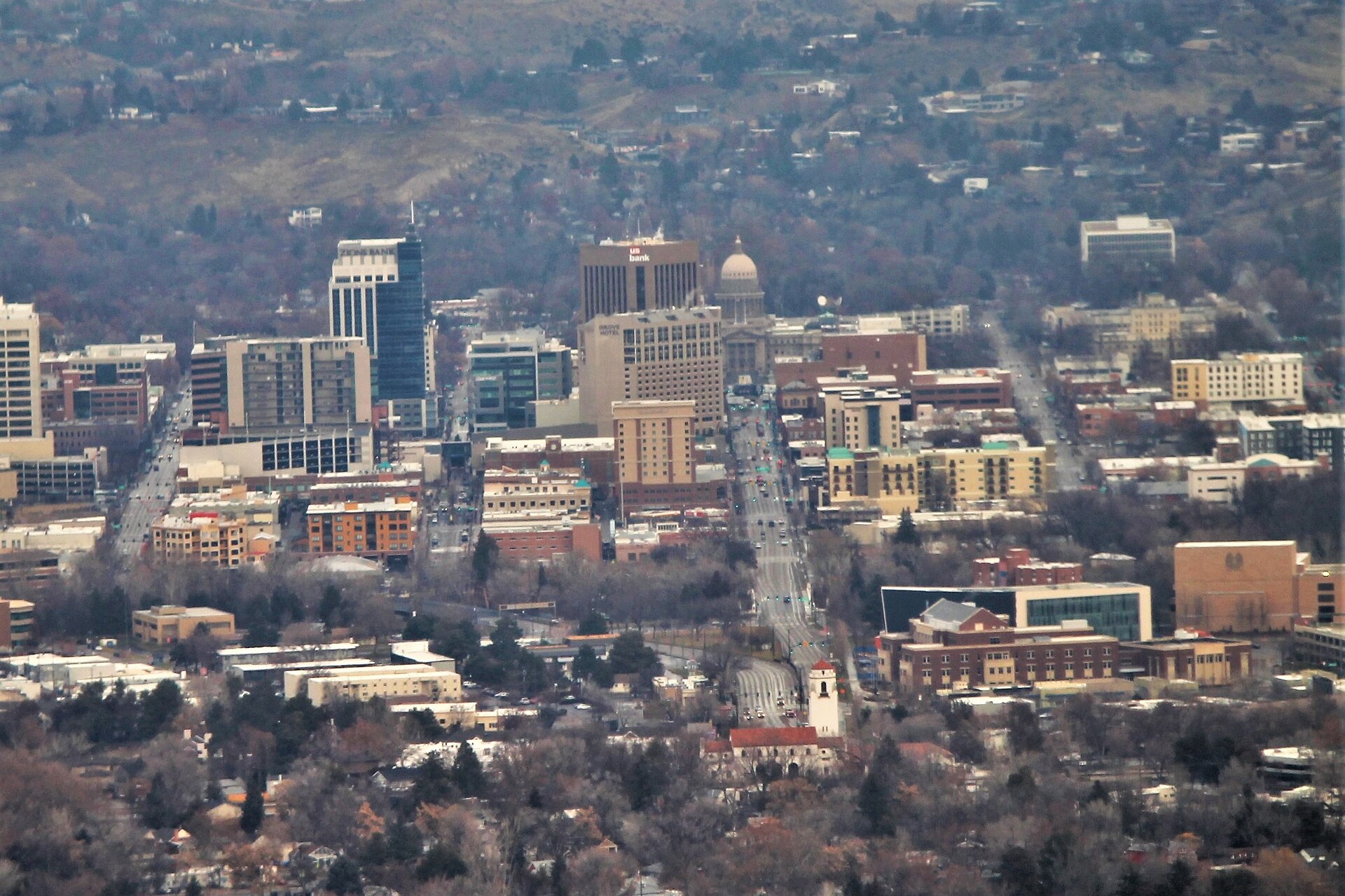
Jaialdi is a Basque cultural festival held in Boise, organized by the local Basque organization Euzkaldunak, Inc. It is not annual — it happens roughly every five years, drawing Basque communities from Idaho, the western United States, and the Basque Country itself. The most recent editions have run in 2015 and 2020/2021, with organizers setting the next date on their own schedule.
What Does Jaialdi Actually Celebrate?
Jaialdi celebrates Basque heritage and identity as it exists in Idaho, not as a re-creation of something happening elsewhere. Boise has one of the largest Basque populations outside of Spain and France, the legacy of sheepherders who emigrated from the Basque Country — the region spanning parts of northern Spain and southwestern France — starting in the late 1800s. Jaialdi is the community’s own showcase of that inheritance: language, dance, sport, food, and music, staged in the city where a working diaspora settled rather than in a recreated “Basque village” built for tourists.
The name itself is Basque for “festival.” The word is used plainly by organizers and by the Basque Museum and Cultural Center, which sits on the Basque Block and functions as the institutional anchor for Basque history in Boise year-round, independent of the festival calendar.
How Often Does Jaialdi Happen?
Jaialdi happens approximately every five years, not annually. It began in 1987 as part of Idaho’s statehood centennial commemorations, and Euzkaldunak has repeated it on a roughly five-year cycle since — with 1990, 1995, 2000, 2005, 2010, 2015, and a 2020 edition delayed into 2021 due to the pandemic. Confirm the next date on the organizers’ own site rather than a fixed calendar, since the interval has flexed before.
This is a meaningfully different pattern from most of what fills a Boise events calendar. It is not a weekly market or a monthly gallery walk. It is closer in civic weight to a homecoming — a multi-day event that draws Basque families back to Boise from other states and from Europe specifically because it does not happen every year. That rarity is part of what organizers themselves describe as the point: Jaialdi is treated as an occasion, not a routine.
Where in Boise Does Jaialdi Take Place?
Jaialdi is staged across two kinds of ground: the Basque Block downtown, and larger fairground-style venues nearby capable of holding crowds, sporting events, and dance performances at scale. The Basque Block, a short stretch of Grove Street, is the cultural and symbolic center — home to the Basque Museum and Cultural Center and to Basque-run institutions that operate there the rest of the year. It sits within the boundaries of downtown Boise proper, walkable from the rest of the core.
For the larger festival programming — traditional Basque sport, mass folk dancing, concerts — Jaialdi has historically used Expo Idaho, the fairgrounds facility across the river in Garden City, a separately incorporated municipality that sits inside the Boise metro area. The split matters practically: the Basque Block portion is dense, pedestrian, and easy to reach on foot from downtown hotels; the fairground portion requires a short drive or shuttle and has its own parking.
.jpg)
Why Is Boise the Site of a Major Basque Festival?
Boise’s Basque population grew from chain migration tied to the sheep industry across the intermountain West, beginning in the late nineteenth century and continuing into the twentieth. Boarding houses called ostatuak sprang up to house new arrivals and act as informal labor exchanges; some of that built fabric survives. The Cyrus Jacobs-Uberuaga House, one of the oldest buildings associated with this history, is listed on the National Register of Historic Places and today anchors part of the Basque Museum’s holdings.
That history is the reason the Basque Block exists as a named, physically concentrated district rather than a scattered set of Basque-owned businesses. It is also the reason Jaialdi is staged here rather than adopted wholesale from a Basque Country model — the festival grew out of an actual settled community rather than being imported as an attraction.
What Happens at Jaialdi?
Programming has historically included several recurring elements, described by organizers and by Idaho’s own tourism and cultural bodies covering the event:
- Traditional Basque rural sports (herri kirolak), including stone lifting and wood chopping competitions, held at the fairgrounds venue.
- Mass Basque folk dancing and txistu (a three-holed Basque flute) and tambourine music performed by touring groups from the Basque Country alongside Idaho-based dance troupes.
- Basque pelota, a court handball game, demonstrated by visiting players.
- A large communal meal and food service reflecting Basque cooking traditions, organized at scale rather than through individual restaurants.
- A running-of-a-kind event and parade elements tied to the Basque Block specifically.
Exact scheduling within the festival — which day hosts which sport, which stage hosts which act — is set by Euzkaldunak for each edition and published on the organizers’ own materials closer to the date. This site does not maintain that schedule; treat any specific timetable as something to confirm directly with organizers rather than assume it repeats identically each cycle.
How Does Jaialdi Affect the City Around It?
Jaialdi is large enough to change how downtown Boise functions for its duration, in ways a resident planning around it should expect. The Basque Block itself becomes pedestrian-dense and partially closed to normal traffic during peak events. Parking downtown tightens noticeably, and fairground traffic in Garden City adds its own load on the bridges and arterials connecting the two. None of this approaches the scale of disruption described for Treefort Music Fest, which closes multiple downtown blocks over several days, but it follows a similar logic: a normally quiet cultural district absorbs a short, intense surge of visitors who are not there on an ordinary Tuesday.
For residents, the practical adjustments are straightforward: expect downtown parking to be harder to find on Jaialdi dates, expect the Basque Block’s usual quiet daytime rhythm to be replaced by crowds and staged events, and expect hotel availability near downtown to tighten given how many attendees travel specifically to be there. None of this requires avoiding downtown — it requires planning around it the way one would for any large, infrequent civic event.
How Should Someone Plan a Visit Around Jaialdi?
Because Jaialdi happens roughly every five years rather than annually, it will not appear on a typical single-trip Boise itinerary by accident — a visit has to be timed deliberately around it, or the reader will encounter the Basque Block on an ordinary day, which is still worth understanding on its own terms. For general guidance on when Boise’s calendar is at its busiest or quietest, see the site’s own overview of the best time of year to visit Boise.
Anyone planning specifically around a Jaialdi edition should confirm dates and ticketing directly through Euzkaldunak’s own festival materials and the Basque Museum and Cultural Center’s site, rather than relying on a generic five-year assumption. Given how far apart the Basque Block and the fairgrounds sit, it is also worth reviewing how the city’s own distances work — see the site’s guide to how far apart everything in Boise really is — before assuming both venues are within an easy single walk.
Is Jaialdi Part of Boise’s Everyday Culture, or a One-Off Event?
It is both. Jaialdi itself is episodic, but the institutions behind it are not. The Basque Museum and Cultural Center operates as a standing museum the rest of the year, and the Basque Block functions as a real, occupied downtown district — not a set built for a festival and dismantled afterward. Readers wanting the fuller, year-round picture of Boise’s neighborhoods and institutions, including this one, can start with the site’s guide to Boise’s museums, landmarks and neighborhoods or its broader look at what living in Boise is actually like, both of which put Jaialdi in the context of a city that has more going on than any single event captures.
Access Boise is an independent guide written from published, checkable sources. We have not visited the places described here and we do not publish personal recommendations or invented ‘local favourites’ — where something is singled out as notable, we say who says so. Opening times, fares, closures and prices change at short notice, so treat everything here as a starting point and confirm with the museum, operator or venue directly before building a day around it. We give no advice on visas, insurance, health or safety; use your own government’s official guidance for those.
Featured image: Photo by Rickmouser45, source, CC BY-SA 4.0
