The Discovery Center of Idaho is a hands-on science museum in Boise built around physics, engineering, and applied math rather than static displays. It is aimed primarily at families and school groups, but its exhibits — many built to be operated, not just observed — hold up for adults with no children in tow. It sits inside Julia Davis Park, alongside several of the city’s other major cultural institutions.
What kind of museum is the Discovery Center of Idaho?
It is a science center, not a natural history or art museum. The distinction matters: the Discovery Center’s own materials describe its focus as interactive exhibits on topics like motion, electricity, light, and structural engineering, built for visitors to manipulate directly rather than read about behind glass. It is a nonprofit institution, and its programming leans heavily toward STEM (science, technology, engineering, and math) education for school-age audiences, supplemented by traveling exhibitions that rotate through on a schedule set by the center itself.
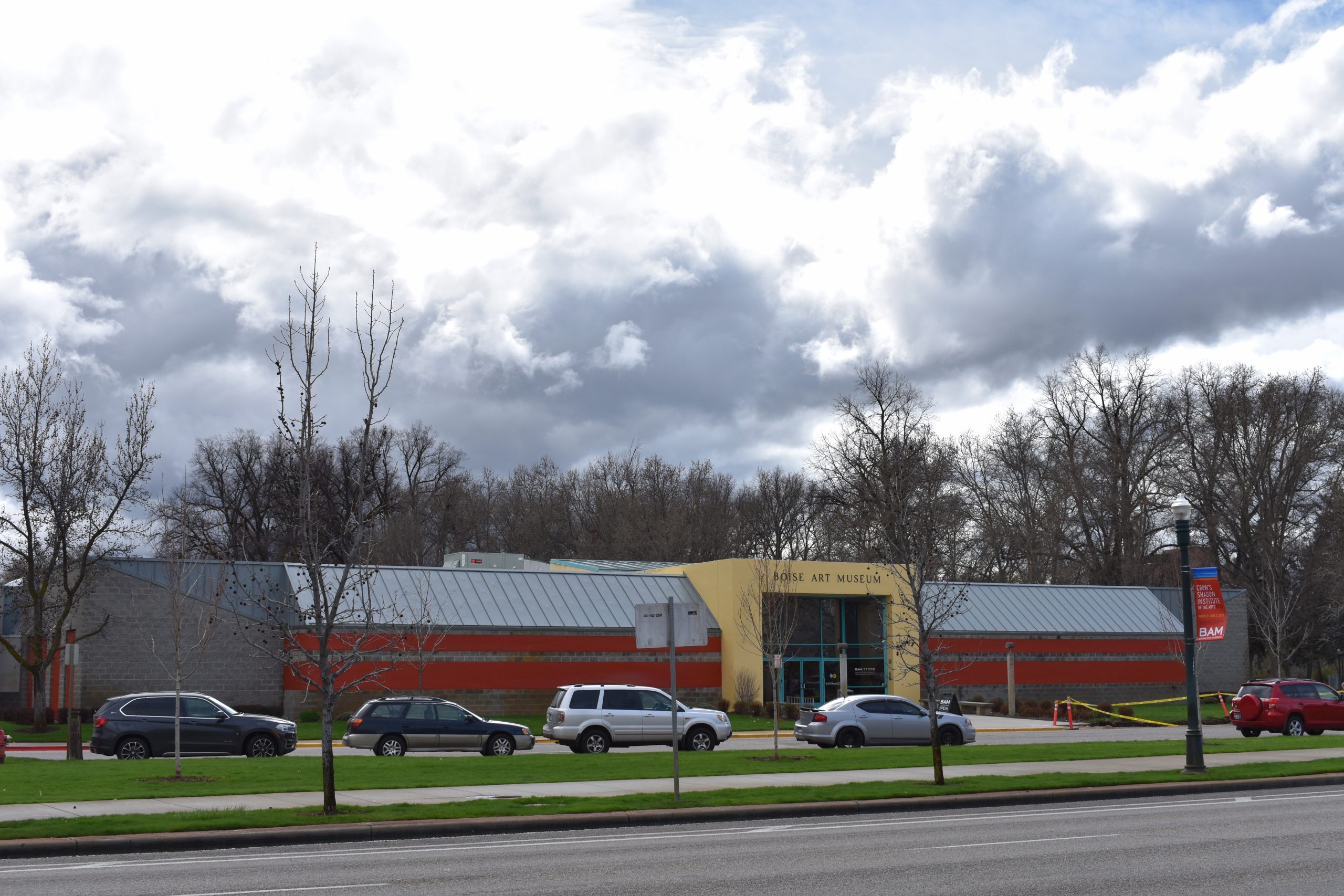
This puts it in a different category from Boise’s other major collecting institutions. Where the Idaho State Museum holds and interprets objects tied to Idaho’s history, and the Boise Art Museum holds a permanent fine art collection, the Discovery Center’s “collection” is functional rather than curatorial — the exhibits exist to demonstrate a principle, and many are custom-built or maintained in-house rather than acquired as artifacts.
Where is the Discovery Center of Idaho located?
It is located within Julia Davis Park, the same downtown Boise park that also contains Zoo Boise, the Idaho State Museum, and the Boise Art Museum. That clustering is not incidental — Julia Davis Park functions as Boise’s closest thing to a museum district, and several of the city’s largest cultural institutions were deliberately sited there over the past century.
Because the park sits along the Boise River and connects directly to the Boise River Greenbelt, the Discovery Center is reachable on foot or by bike from much of downtown, and visitors combining it with a park visit or a stop at a neighboring museum are following a genuinely established pattern rather than an editorial suggestion.
Who is the Discovery Center of Idaho actually for?
Its core audience is families with children and school groups on field trips; its exhibit design — physically operable machines, buttons, levers, and demonstrations of cause and effect — is built for that audience specifically. The center’s own programming description emphasizes school partnerships and outreach, and Idaho classrooms are a stated part of its mission, not an incidental visitor group.
That does not make it a children’s-only stop. Adults interested in applied physics, engineering, or how a scientific principle is translated into a physical exhibit tend to find the same displays worthwhile without a child present, since the exhibits are engineered to demonstrate a real phenomenon rather than simplify one. Visitors weighing whether it belongs on a Boise itinerary should treat it as a family-and-education-oriented science museum first, with broader appeal as a secondary but genuine feature — not the reverse.
What does the Discovery Center of Idaho actually contain?
The permanent floor is organized around clusters of hands-on stations rather than a single narrative, typically covering areas such as:
- Mechanics and motion — exhibits on levers, pulleys, and momentum that visitors operate directly.
- Electricity and magnetism — demonstrations built to show current, circuits, and static charge in action.
- Light and sound — optical illusions, mirrors, and acoustic demonstrations.
- Structural engineering — building and testing stations aimed at problem-solving rather than passive viewing.
Beyond the permanent floor, the center brings in traveling exhibitions on a rotating basis — a standard model for mid-sized American science centers, where a home institution supplies the core physics-and-engineering base while licensed touring exhibits (on subjects ranging from space to the human body to specific franchises aimed at children) refresh the experience for repeat visitors. The Discovery Center’s own site is the only reliable source for which touring exhibit is currently installed, since these change on a schedule set well in advance and are not predictable from the outside.
How does it compare to Boise’s other museums?
Boise’s museum landscape is small enough that each major institution occupies a distinct lane rather than competing directly. The Idaho State Museum covers the state’s history and material culture. The Boise Art Museum holds a permanent fine art collection with changing exhibitions. The Basque Museum and Cultural Center, on the Basque Block downtown, documents the history and culture of Idaho’s Basque community — a population historically significant to southwestern Idaho. The Old Idaho Penitentiary, on the other side of the city, is a former working prison preserved as a historic site.
The Discovery Center is the outlier among these in one clear way: it is the only one built around physical interaction with exhibits rather than the display and interpretation of objects. Readers assembling a museum day in Boise are, in effect, choosing between history, art, cultural heritage, and applied science — and the Discovery Center covers the last of those categories almost alone. A broader survey of the city’s museums and galleries is available on Access Boise’s museums and galleries hub.
What should visitors and residents know before going?
Hours, admission prices, and the current traveling exhibition change often enough that this article will not attempt to state them — any figure printed here would be stale within months. The Discovery Center of Idaho’s own site is the only source that should be treated as current for opening hours, ticket pricing, and which touring exhibit is installed at a given time; readers should confirm details there directly before planning a visit.
A few structural patterns are more durable and worth noting:
- Because it draws heavily on school groups, weekday mornings during the academic year tend to run differently than weekends and school holidays — a pattern common to most hands-on science centers, though the center’s own site is the place to confirm specific timing.
- Membership programs at institutions like this typically pay for themselves after a handful of visits for a family with young children, since the audience is built around repeat trips rather than a single visit — a detail worth checking against the center’s own membership page for residents considering it.
- Its location inside Julia Davis Park means parking, river-path access, and proximity to the zoo and other museums follow the park’s own patterns rather than a separate downtown parking structure.
Is the Discovery Center of Idaho worth building a stop around?
For families with children, school groups, and anyone specifically interested in hands-on physics and engineering exhibits, yes — it is one of very few Idaho institutions built specifically for that purpose. For a visitor prioritizing art, history, or cultural heritage on a short trip, it is reasonably skipped in favor of the Idaho State Museum or Boise Art Museum, both a short walk away in the same park.
Residents raising children in Boise are the group most likely to get sustained value from it, given the repeat-visit design of its exhibits and its place in a cluster of institutions — the zoo, the art museum, the state museum — that together make Julia Davis Park the city’s most concentrated stretch of family-oriented culture. A broader look at how Boise’s landmarks and sights fit together is available on Access Boise’s landmarks and sights hub.
Access Boise is an independent guide written from published, checkable sources. We have not visited the places described here and we do not publish personal recommendations or invented ‘local favourites’ — where something is singled out as notable, we say who says so. Opening times, fares, closures and prices change at short notice, so treat everything here as a starting point and confirm with the museum, operator or venue directly before building a day around it. We give no advice on visas, insurance, health or safety; use your own government’s official guidance for those.
Featured image: Photo by Tamanoeconomico, source, BY-SA