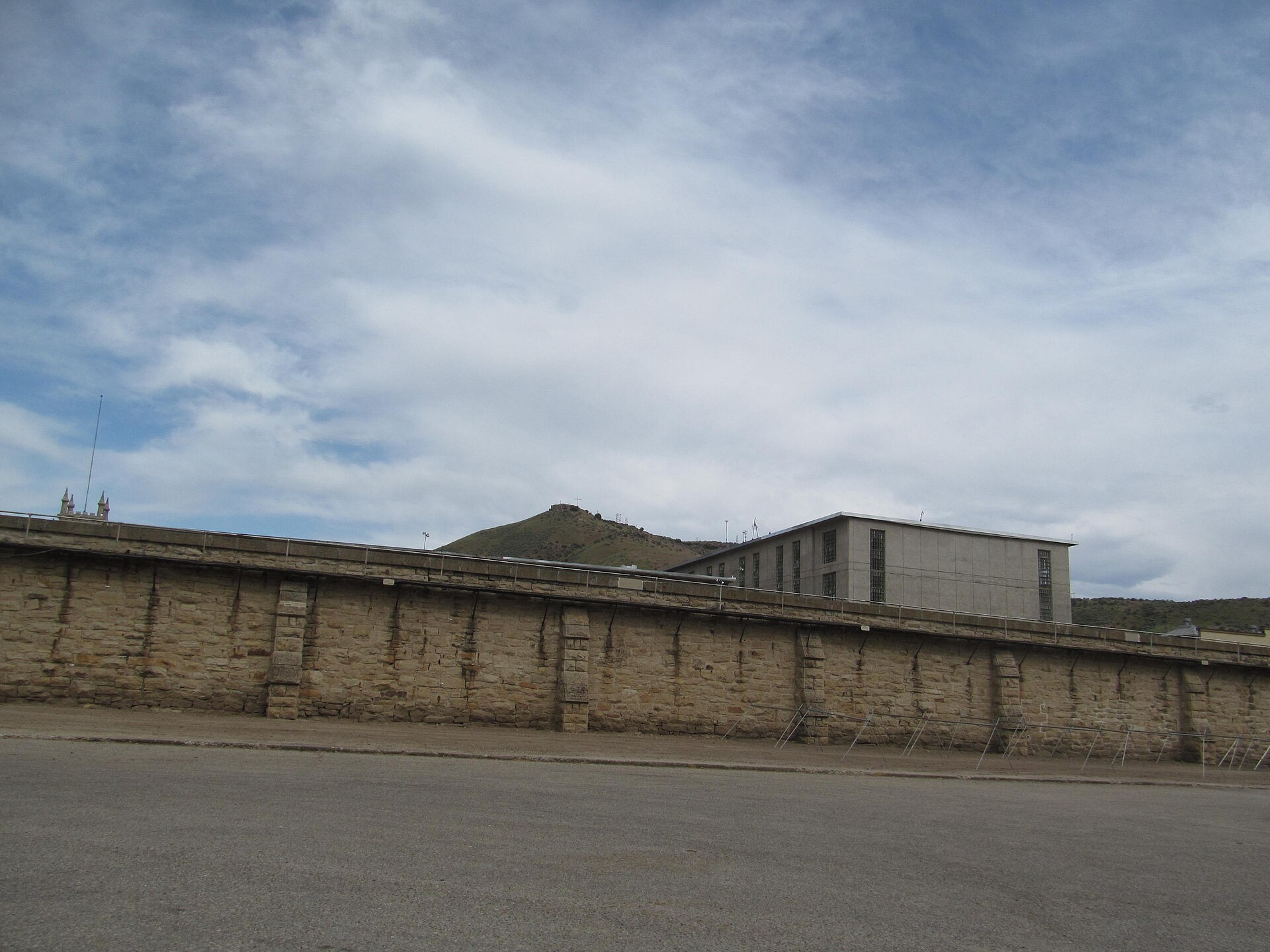
The Old Idaho Penitentiary is a decommissioned territorial and state prison on the east side of Boise, built beginning in 1870 and used to hold inmates from 1872 until 1973. It is now a museum operated by the Idaho State Historical Society, and yes — the public can go inside, walking through original cellblocks, the yard, and the gallows.
What was the Old Idaho Penitentiary?
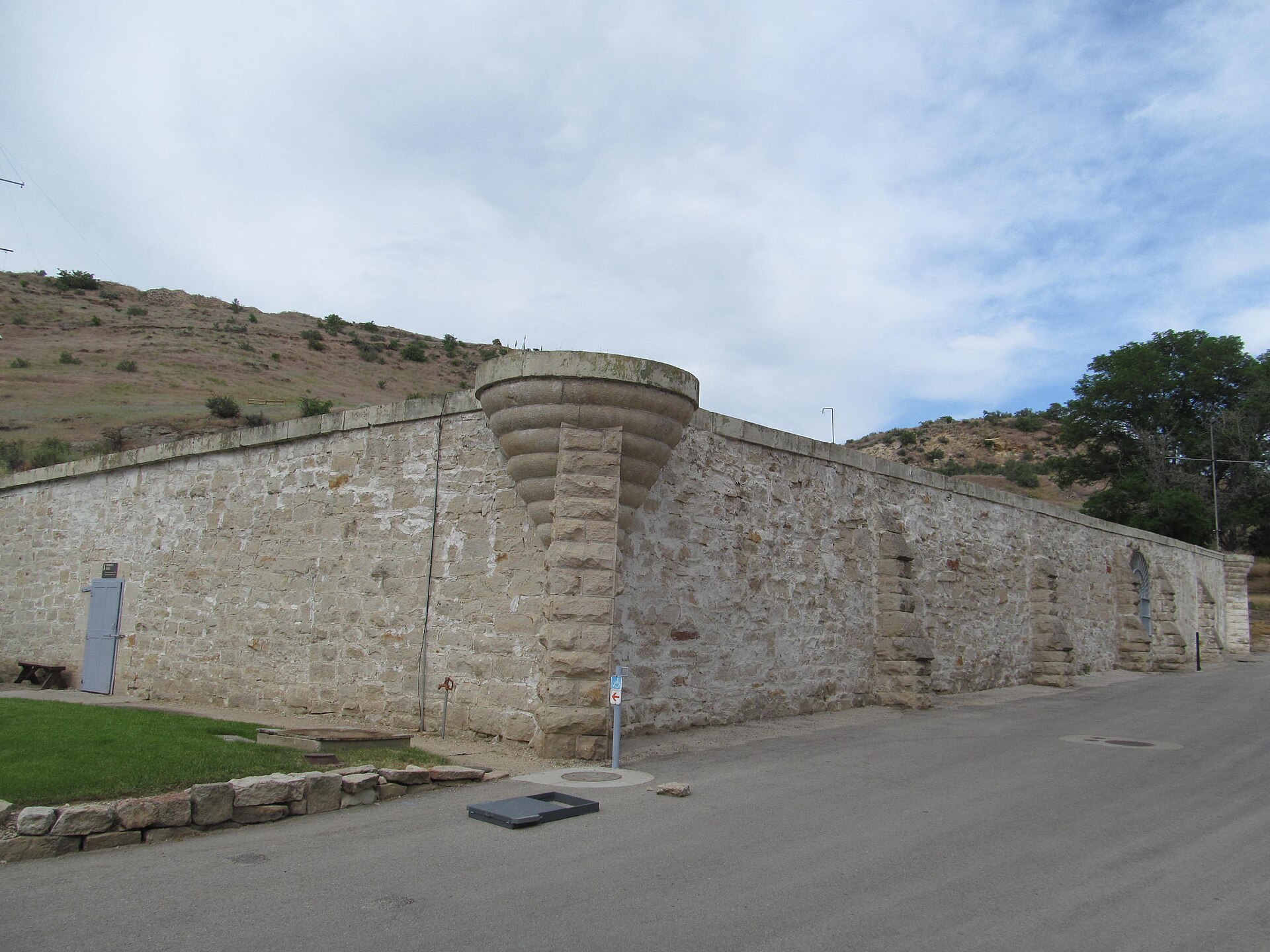
It was Idaho’s primary correctional facility for just over a century, first as a territorial prison and later as the state penitentiary after Idaho achieved statehood in 1890. Convict labor quarried the sandstone used to build much of the complex, a detail the Idaho State Historical Society notes in its own materials on the site.
Over its working life the prison expanded from a single cellhouse into a sprawling complex with multiple cellblocks, a women’s ward, a maximum-security unit, and outbuildings including a rose garden inmates were permitted to tend. It housed a range of prisoners, from petty offenders to some of the state’s most notorious convicted criminals, and it operated its own gallows for executions carried out under state law.
Why did the prison close?
A riot in 1973, following earlier disturbances, damaged several buildings and accelerated a long-standing conversation about the facility’s age and condition. The state relocated inmates to a new correctional complex outside the city and shut the old prison down that year.
Rather than demolish the site, Idaho listed it on the National Register of Historic Places in 1974. That listing recognizes the penitentiary as a significant example of territorial-era institutional architecture and an intact record of how the state managed incarceration for a hundred years.
What can visitors actually see inside?
The self-guided route runs through original cellblocks, solitary confinement cells, the women’s ward, and the yard, according to the Idaho State Historical Society’s own description of the site. The gallows structure, used for state executions, is also part of the walking route, along with exhibit space that covers the prison’s operational history and notable incidents, including the 1973 riot.
The society’s materials describe the complex as one of the few territorial-era prisons in the United States still standing largely intact, which is part of why the site functions as a museum rather than simply a preserved building shell. Signage and interpretive panels throughout the complex explain how specific buildings were used, from the initial 1870s cellhouse to later additions built as the inmate population grew.
.jpg)
Is the Old Idaho Penitentiary open to the public year-round?
The site operates on a regular seasonal schedule set by the Idaho State Historical Society, and hours and closures shift by time of year. Because staffing and seasonal hours change, the society’s own site is the source to check before planning a visit, rather than relying on a fixed figure here.
The property has historically closed for some winter months or shifted to reduced hours, a pattern common to state-run historic sites in Idaho that see lower visitor volume outside the warmer months. Anyone planning a trip specifically to see the penitentiary should confirm current open days and hours directly through the Idaho State Historical Society before arriving.
Is there an admission fee?
Yes — the Old Idaho Penitentiary charges admission, as is standard for Idaho State Historical Society sites, but the exact figure is not fixed here because ticket prices are adjusted periodically by the society. The society’s own site lists current adult, senior, and child pricing, along with any group or membership rates.
Idaho residents and visitors alike should treat any published price as a starting point to confirm rather than a guarantee, particularly since state-run museums typically review admission costs on an annual or biennial basis.
Where is the penitentiary located, and how does it fit into Boise’s museum landscape?
The complex sits east of downtown Boise, near the Boise River and adjacent to the Idaho Botanical Garden, which occupies part of the former penitentiary grounds. That proximity means a single trip to the east side of the city can take in both the historic prison and the botanical garden’s cultivated grounds, though the two are separately operated and separately ticketed.
The Old Idaho Penitentiary is one of several state-run or state-affiliated cultural sites in Boise. Readers wanting the fuller picture of how Idaho documents its own history should look at the Idaho State Museum’s collection and coverage, which the same historical society oversees and which contextualizes state history beyond the penitentiary’s specific institutional story.
For a broader sense of how Boise’s museums divide up the city’s history, art, and culture, the Museums & Galleries archive lays out the main institutions side by side, including what the Boise Art Museum’s collection holds and what the Basque Museum and Cultural Center in Boise covers — a useful comparison for understanding how a former prison sits alongside art and heritage museums in the same city’s cultural infrastructure.
Does the site host events beyond regular tours?
The Idaho State Historical Society periodically programs evening tours, seasonal events, and educational programming at the penitentiary, distinct from standard daytime self-guided visits. These have historically included lantern-lit evening walks and history-focused talks tied to specific anniversaries or seasons, though the exact calendar shifts year to year.
Because this site does not maintain a dated events listing, readers interested in a specific program — a Halloween-season evening tour, for instance, a pattern several state historic prisons run — should check the Idaho State Historical Society’s own calendar for current offerings and dates rather than assume a past event repeats on the same schedule.
Is the Old Idaho Penitentiary accessible for all visitors?
Accessibility at a 19th-century stone institutional complex is necessarily uneven — original cellblocks were not built with modern accessibility standards in mind. The Idaho State Historical Society’s own site addresses which areas are accessible and which are not, and visitors with specific mobility needs should review that information or contact the society directly before visiting.
This is not a judgment the site can responsibly make in the abstract; a building constructed in stages between the 1870s and the mid-20th century will have inconsistent floor levels, narrow stairwells in some sections, and uneven yard surfaces, and the operator’s own accessibility guidance is the accurate source.
How does the penitentiary fit into how Boise presents its own history?
Boise’s cultural institutions largely split along clear lines: state history, state art, and specific cultural communities each have a dedicated home. The Old Idaho Penitentiary occupies an unusual position — it is simultaneously a criminal justice history site, an architectural record of territorial-era construction, and, in its 1974 National Register listing, a formally recognized historic landmark.
That combination is part of why the Idaho State Historical Society treats it as a standalone museum property rather than folding it into the broader collection housed at the Idaho State Museum. Readers wanting to understand Idaho’s institutional history as a whole benefit from treating the two as complementary rather than overlapping: one holds the penitentiary building and yard itself, the other holds the state’s broader historical collection and archives.
What should a visitor plan for before going?
- Confirm current open days, hours, and admission prices on the Idaho State Historical Society’s own site, as these change seasonally.
- Plan for a self-guided walking route across multiple buildings and an open yard, which involves outdoor walking regardless of weather.
- Check the society’s accessibility information in advance if mobility is a concern, given the age and construction of the buildings.
- Consider pairing the visit with the adjacent Idaho Botanical Garden, which occupies part of the former penitentiary grounds but operates under separate management and ticketing.
None of these details are fixed enough to state as permanent facts here — they are the kind of practical specifics that change from one season or budget cycle to the next, which is exactly why the operator’s own current listings, not a static guide, are the right source to confirm before a visit.
Access Boise is an independent guide written from published, checkable sources. We have not visited the places described here and we do not publish personal recommendations or invented ‘local favourites’ — where something is singled out as notable, we say who says so. Opening times, fares, closures and prices change at short notice, so treat everything here as a starting point and confirm with the museum, operator or venue directly before building a day around it. We give no advice on visas, insurance, health or safety; use your own government’s official guidance for those.
Featured image: Photo by Doug Kerr from Albany, NY, United States, source, CC BY-SA 2.0
.jpg)