What is the Basque Museum and Cultural Center?
The Basque Museum and Cultural Center is a nonprofit museum and archive in downtown Boise dedicated to the history of Basque immigration to Idaho. It holds photographs, oral histories, textiles, and household objects tied to the sheepherding families who settled the state, and it occupies one of Boise’s oldest brick buildings on the Basque Block.
Where is it located, and what is the Basque Block?
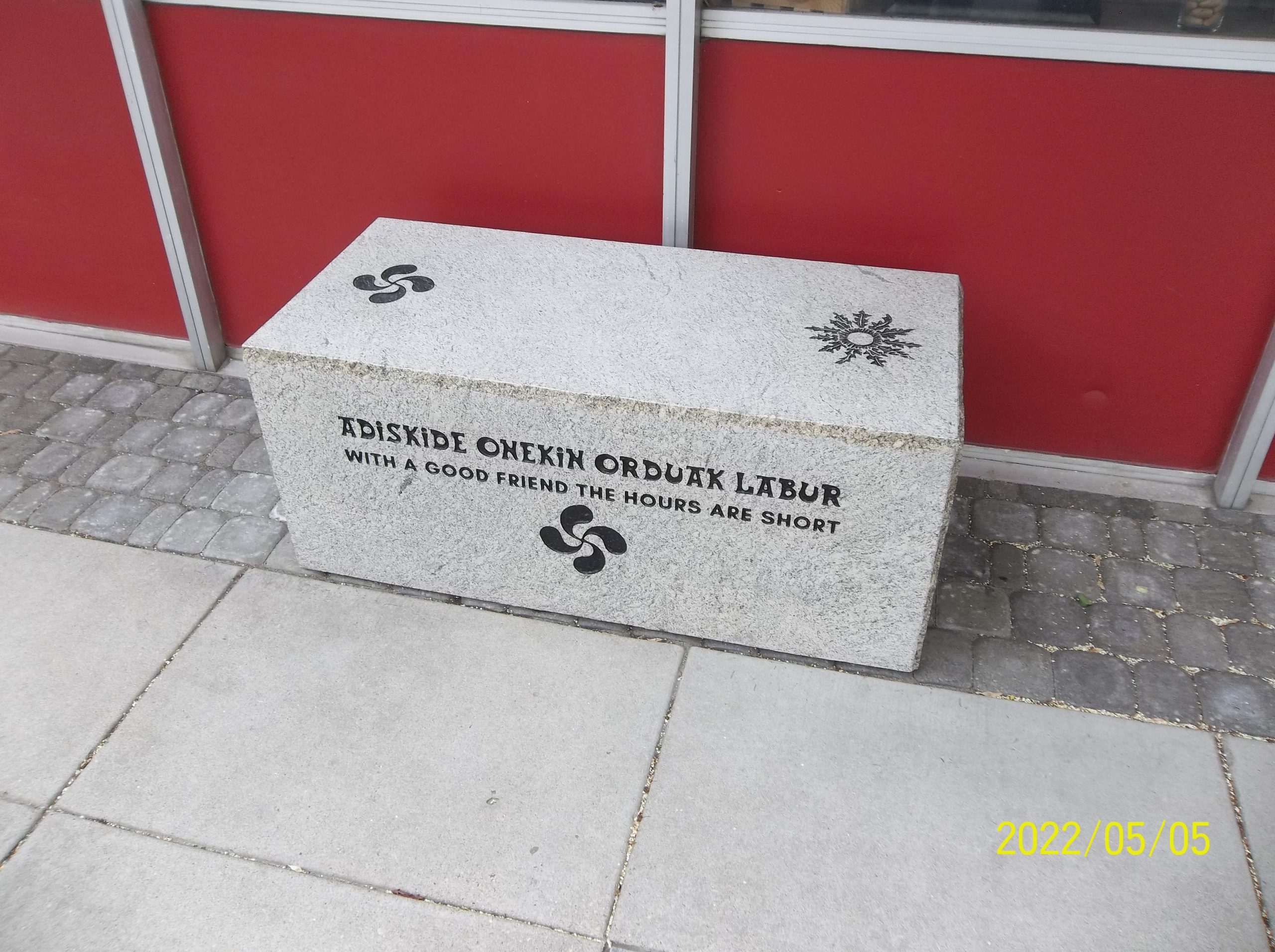
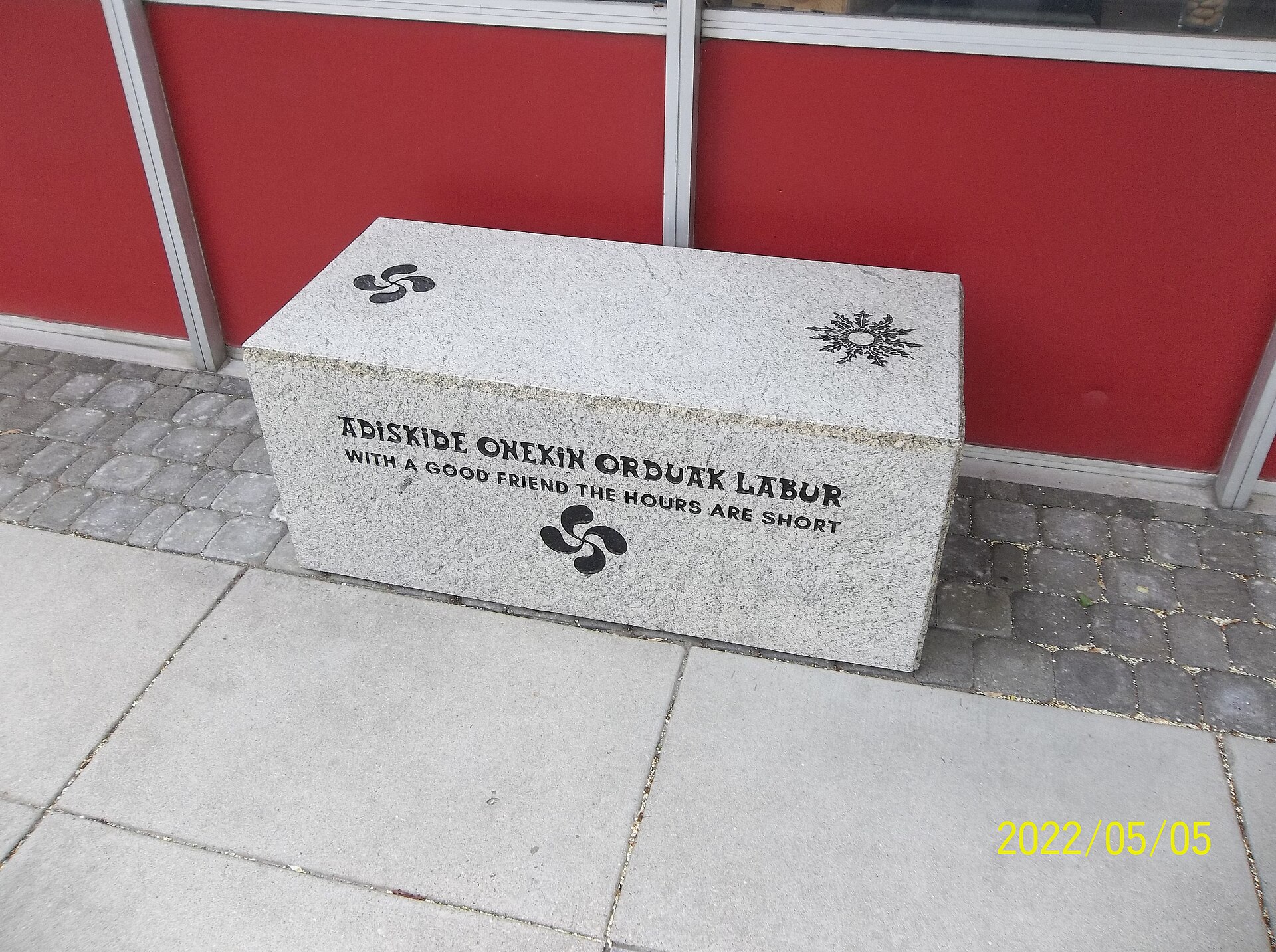
The museum sits on Grove Street in downtown Boise, on a short stretch commonly called the Basque Block. This is not an official municipal district in the way a zoning designation would be, but a recognized cultural corridor — a block anchored by Basque-founded institutions, a fronton (handball court), and businesses connected to the community, which the city and state tourism office both reference in describing downtown Boise’s identity.
It sits within easy reach of downtown’s other cultural anchors, and readers comparing Boise’s museum landscape more broadly can see how it fits alongside the collections described in the Idaho State Museum’s own overview of its holdings and the Boise Art Museum’s collection.
What building houses the museum, and why does it matter?
The museum operates out of the Cyrus Jacobs-Uberuaga House, a brick residence built in the 1860s and generally cited as one of the oldest surviving brick buildings in Boise. The house is listed in the National Register of Historic Places, the federal government’s official inventory of sites deemed historically significant, maintained by the National Park Service.
Its significance is twofold. Architecturally, it represents an early phase of permanent brick construction in a city that began mostly in wood. Socially, the building later passed to the Uberuaga family, who ran it as an ostatua — a Basque boardinghouse — for immigrant sheepherders arriving in the region in the early twentieth century. That second life is what the museum’s exhibits are built around: not the house of a founder, but a way station for a working immigrant population.
What does the museum’s collection actually contain?
The museum’s own site describes its holdings as spanning several categories rather than a single showcase collection. Visitors researching the museum in advance can expect the emphasis to fall on:
- Oral history recordings and transcripts from Basque immigrants and their descendants in Idaho
- Photographs documenting sheep camps, boardinghouses, and Basque social clubs from the early 1900s onward
- Traditional textiles, including items connected to Basque dance costume and domestic life
- Tools and objects tied to sheepherding, the trade that brought most Basque immigrants to Idaho
- Archival material on the language, Euskara, which linguists classify as a language isolate unrelated to neighboring Romance languages
The museum functions as both an exhibit space and a working archive, meaning some material is accessible primarily to researchers rather than displayed on the floor. Anyone with a specific research interest should confirm access directly with the museum before visiting, since archive hours and exhibit hours are not always identical.
How did Boise become home to a major Basque community?
Basque immigration to Idaho traces largely to the late nineteenth and early twentieth centuries, when men from the Basque Country — the region straddling northern Spain and southwestern France — arrived to work as sheepherders in the American West. Idaho’s rangeland made it a center of that trade, and Boise, as the state capital and rail hub, became a gathering point where boardinghouses, social clubs, and eventually a fronton court served an immigrant population that was often itinerant for much of the year.
The Idaho State Historical Society and multiple academic accounts of the American West describe Boise as home to one of the largest Basque populations outside of the Basque Country itself, a claim repeated often enough in state and university sources that it functions as a working consensus rather than a single institution’s opinion.
Is the Basque Museum the same as the Basque Center?
No, and the distinction matters to anyone trying to locate either. The Basque Museum and Cultural Center is the archive and exhibit institution described above. Nearby on the same block stands the Basque Center, a separate social hall operated by a Basque fraternal organization, used for private events, dance practice, and community gatherings rather than public exhibits. Both buildings sit within the same short stretch of Grove Street and are frequently mentioned together in guides to the Basque Block, but they are run independently, with different missions and different public access.
What is Jaialdi, and when does it happen?
Jaialdi is a large Basque cultural festival held in Boise roughly every five years, drawing participants from the Basque Country itself as well as Basque communities across the American West. It functions as the highest-profile expression of the culture the museum documents year-round — dance, music, food, and sport events staged across several days, with the Basque Block as one of its focal points.
Because the festival is not annual and its exact dates shift, readers should treat any specific date as provisional and confirm current scheduling through the museum’s own site or the organizing Basque community groups rather than through secondhand listings. Outside of Jaialdi years, the museum’s regular programming and the Basque Block’s restaurants and shops continue on the ordinary calendar, with festival years bringing a temporary surge in visitors and programming that the museum typically expands its own hours or exhibits to meet.
What should residents and repeat visitors know that a first-time visitor might not?
For residents, the museum functions less as a one-time stop and more as a standing resource: an archive open to genealogical and historical research for anyone tracing Basque ancestry in Idaho, and a venue whose programming — lectures, language classes, and cultural events — runs independently of the exhibit galleries. The museum’s own communications are the correct source for that calendar, since a general guide cannot track a rotating events schedule reliably.
For a visitor building an itinerary, the practical point is proximity: the museum sits within walking distance of Boise’s other downtown museums, meaning it pairs naturally with a broader look at the city’s cultural institutions rather than requiring a special trip. The Access Boise museums and galleries archive lays out how it fits alongside the rest of the city’s collections, including the state-run holdings covered in the Idaho State Museum’s collection overview.
How should someone plan a visit?
Opening hours, admission costs, and any seasonal closures should always be confirmed directly on the museum’s own site before planning around them, since small nonprofit museums adjust hours more frequently than larger institutions and this guide has no way to track those changes reliably. The same applies to any research appointment for archive access, which the museum typically asks be arranged in advance rather than walked in on.
What is durable, rather than perishable, is the shape of the place: a small, single-building museum built around a specific immigrant history, housed in a nationally recognized historic structure, on a block that remains the clearest physical expression of Basque Boise. Readers wanting a fuller sense of how this fits into Boise’s museum landscape as a whole can cross-reference it against the Boise Art Museum’s own account of its collection and the wider museums and galleries category on this site.
Access Boise is an independent guide written from published, checkable sources. We have not visited the places described here and we do not publish personal recommendations or invented ‘local favourites’ — where something is singled out as notable, we say who says so. Opening times, fares, closures and prices change at short notice, so treat everything here as a starting point and confirm with the museum, operator or venue directly before building a day around it. We give no advice on visas, insurance, health or safety; use your own government’s official guidance for those.
Related reading
Living in Boise, Boise, Practically, What Is the Warhawk Air Museum in Nampa, Idaho?.