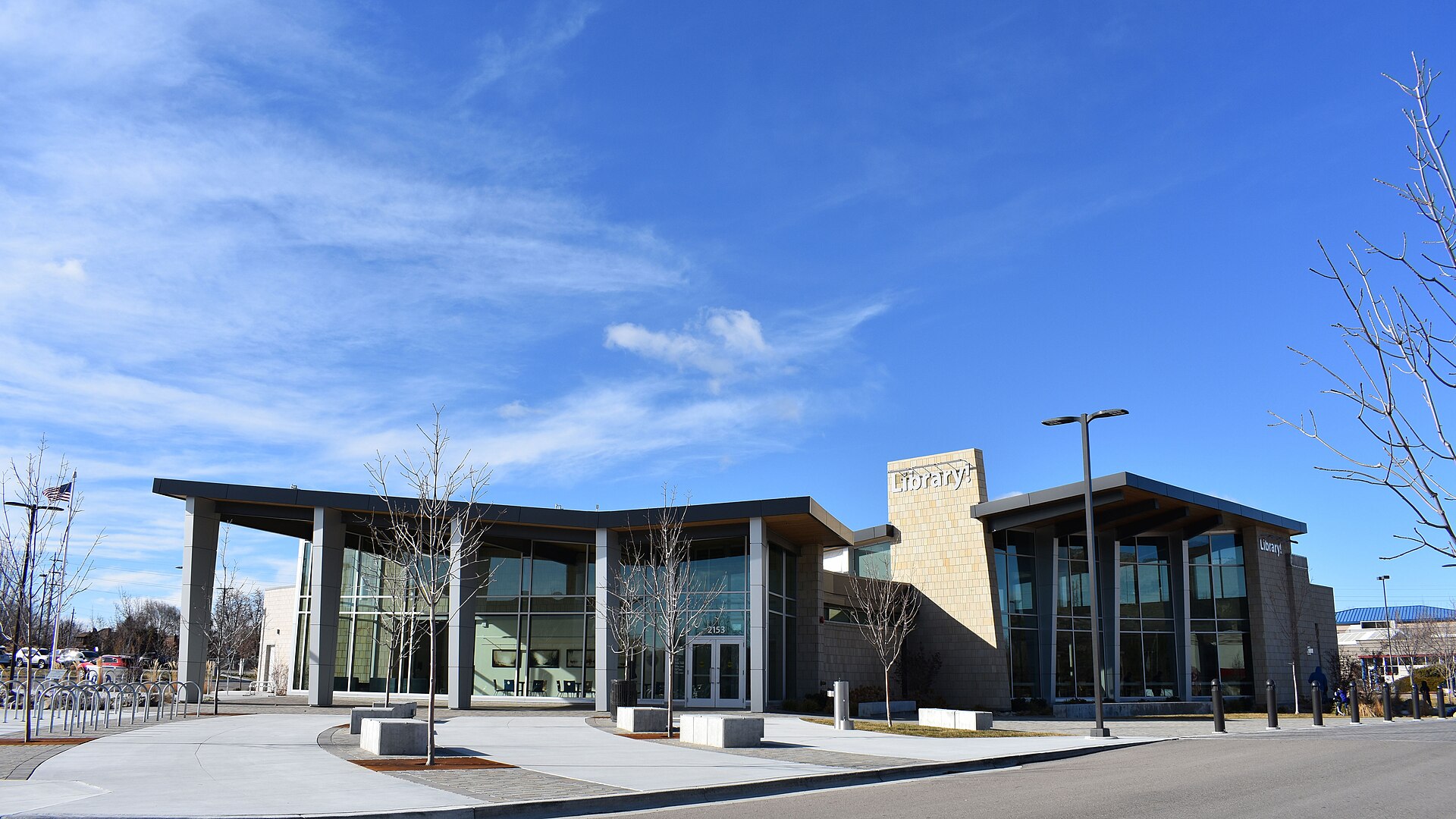
Bown Crossing is a small, mixed-use commercial center in East Boise, built in a walkable style with shops, restaurants and offices at street level and apartments, condominiums or upper-floor offices above them. It sits on Warm Springs Avenue at its junction with Bown Way, a short distance from the Boise River Greenbelt and the growing Barber Valley area.
It is not a historic district, a single building, or a park. It is a purpose-built neighborhood center — the kind of compact, street-facing retail cluster that planners call a “node” — designed to give a stretch of newer East Boise residential development a walkable focal point instead of a strip mall.
Where Is Bown Crossing Located?
Bown Crossing sits along Warm Springs Avenue, one of Boise’s oldest through-roads, at the point where it meets Bown Way — the intersection that gives the development its name. This puts it east of downtown and east of the East End, in a section of the city that grew up largely in the late 20th and early 21st centuries around Warm Springs’ path toward the Boise River’s upper reaches.
The site backs onto residential streets on one side and has close access to the Boise River corridor on the other. It is roughly midway, in terms of the city’s east-west development timeline, between the older East End and the newer Barber Valley and Harris Ranch developments further upstream.
What Kind of Development Is Bown Crossing?
Bown Crossing is generally described as an example of New Urbanist or “traditional neighborhood design” planning — a movement in American urban planning, dating from the 1980s and 1990s, that favors buildings set close to the sidewalk, parking tucked behind or beside structures rather than in front of them, a mix of uses in the same building, and streets scaled for pedestrians rather than only for cars.
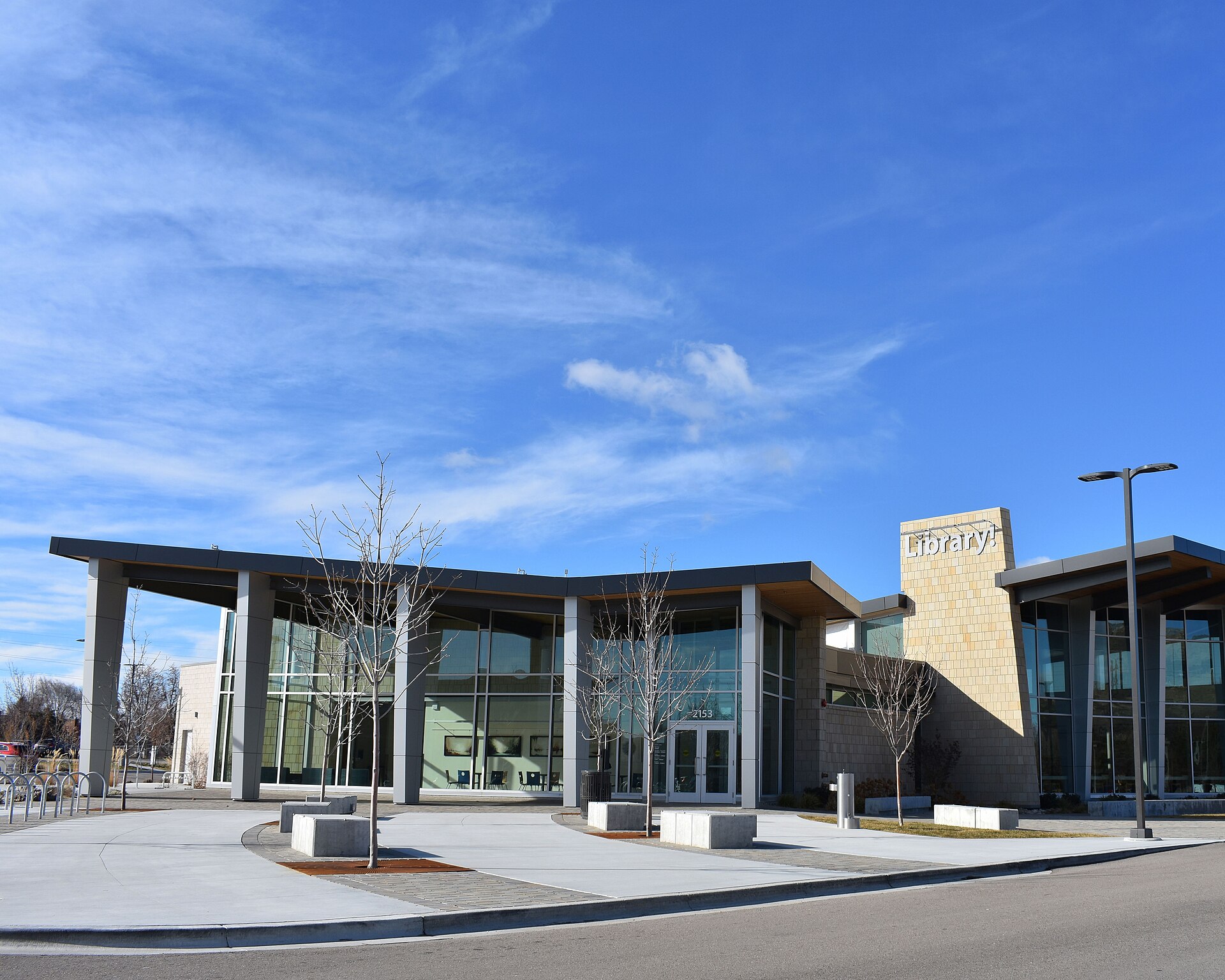
In practice at Bown Crossing this takes the form of two- and three-story buildings lining short blocks, with ground-floor commercial space and residential or office space above. Sidewalks run in front of the storefronts, and parking is arranged to sit behind the buildings rather than between the street and the shopfronts. Boise’s broader land-use planning has, over the same period, pushed for more of this kind of higher-density, mixed-use node in outlying residential areas rather than continuous strip development along arterial roads — Bown Crossing is one of the clearer built examples of that approach in the city.
What Is There Today?
The center functions as a small, local commercial hub: a cluster of independent restaurants, cafes, personal-service businesses and small offices, serving primarily the surrounding residential neighborhoods rather than functioning as a destination shopping district on the scale of downtown Boise or the Basque Block. Upper floors are given over to housing and office space.
Because tenancy in a small commercial node like this changes over time, this article does not name specific current businesses — readers wanting to know what is currently open should check current listings directly, since storefronts here turn over the way they do in any small retail cluster.
.jpg)
How Does Bown Crossing Connect to the Boise River Greenbelt?
Warm Springs Avenue runs close to the Boise River along this stretch of the city, and Bown Crossing sits within easy reach of the Boise River Greenbelt, the paved multi-use path that follows the river through the city. That proximity is part of the site’s original design logic — a neighborhood center meant to be reached on foot or by bike from nearby streets and from the river path itself, not only by car.
The Greenbelt at this point in its route also links Bown Crossing, loosely, to Barber Park downstream and to the trail network that continues east toward the Barber Valley area.
How Does Bown Crossing Relate to Harris Ranch and Barber Valley?
Bown Crossing predates the larger-scale development that has followed further east along the Boise River corridor. Harris Ranch and the Barber Valley make up a much larger master-planned area of newer housing, commercial space and river-adjacent trails that has grown substantially since the 2000s.
Bown Crossing is smaller and older in concept, and it sits closer in toward the city than most of the Harris Ranch development. The two are best understood as points along the same east-west growth corridor that Warm Springs Avenue and the Boise River together define, rather than as a single connected district.
Is Bown Crossing a Historic Site?
No. Unlike the East End’s Warm Springs Historic District or the older residential blocks of the North End, Bown Crossing is a contemporary development rather than a preserved or listed historic area. It does not appear on the National Register of Historic Places, and its buildings postdate the 19th- and early 20th-century construction that defines Boise’s recognized historic districts.
Its interest, for a reader trying to understand how Boise works, is less about age and more about what it represents: a deliberate, late-20th/early-21st-century attempt to build a walkable neighborhood center rather than a conventional suburban strip.
Who Actually Uses Bown Crossing?
The center’s day-to-day function is largely local. Residents of the surrounding East Boise neighborhoods use it for errands, food and small services within walking or short driving distance, in much the way any neighborhood commercial node functions in a growing American city.
It is not typically framed, by the city or by Boise’s tourism materials, as a visitor destination in the way downtown, the Basque Block or Table Rock are. Anyone comparing Boise’s various commercial districts — from the dense core described in the guide to downtown Boise’s boundaries to smaller nodes like this one — will find Bown Crossing sits at the neighborhood-serving end of that range rather than the destination end.
How Does Bown Crossing Fit Into Boise’s Wider Pattern of Growth?
Boise’s population growth over recent decades has pushed development steadily outward along its river corridors and arterial roads, and city planning has repeatedly favored mixed-use nodes over strip commercial as a way of managing that growth. Bown Crossing is a working example of that policy preference, built years before Harris Ranch and Barber Valley scaled the same idea up considerably further east.
Readers trying to understand how Boise’s neighborhoods differ from one another — how a place like this compares to the denser East End or to purpose-built newer districts further out — will find the broader context in the site’s guides to Boise’s neighborhoods and to what it is actually like to live in the city. For logistics on getting between districts like this one, the practical planning hub covers how residents and visitors alike move around the city day to day.
Access Boise is an independent guide written from published, checkable sources. We have not visited the places described here and we do not publish personal recommendations or invented ‘local favourites’ — where something is singled out as notable, we say who says so. Opening times, fares, closures and prices change at short notice, so treat everything here as a starting point and confirm with the museum, operator or venue directly before building a day around it. We give no advice on visas, insurance, health or safety; use your own government’s official guidance for those.
Featured image: Photo by Tamanoeconomico, source, CC BY-SA 4.0
.jpg)