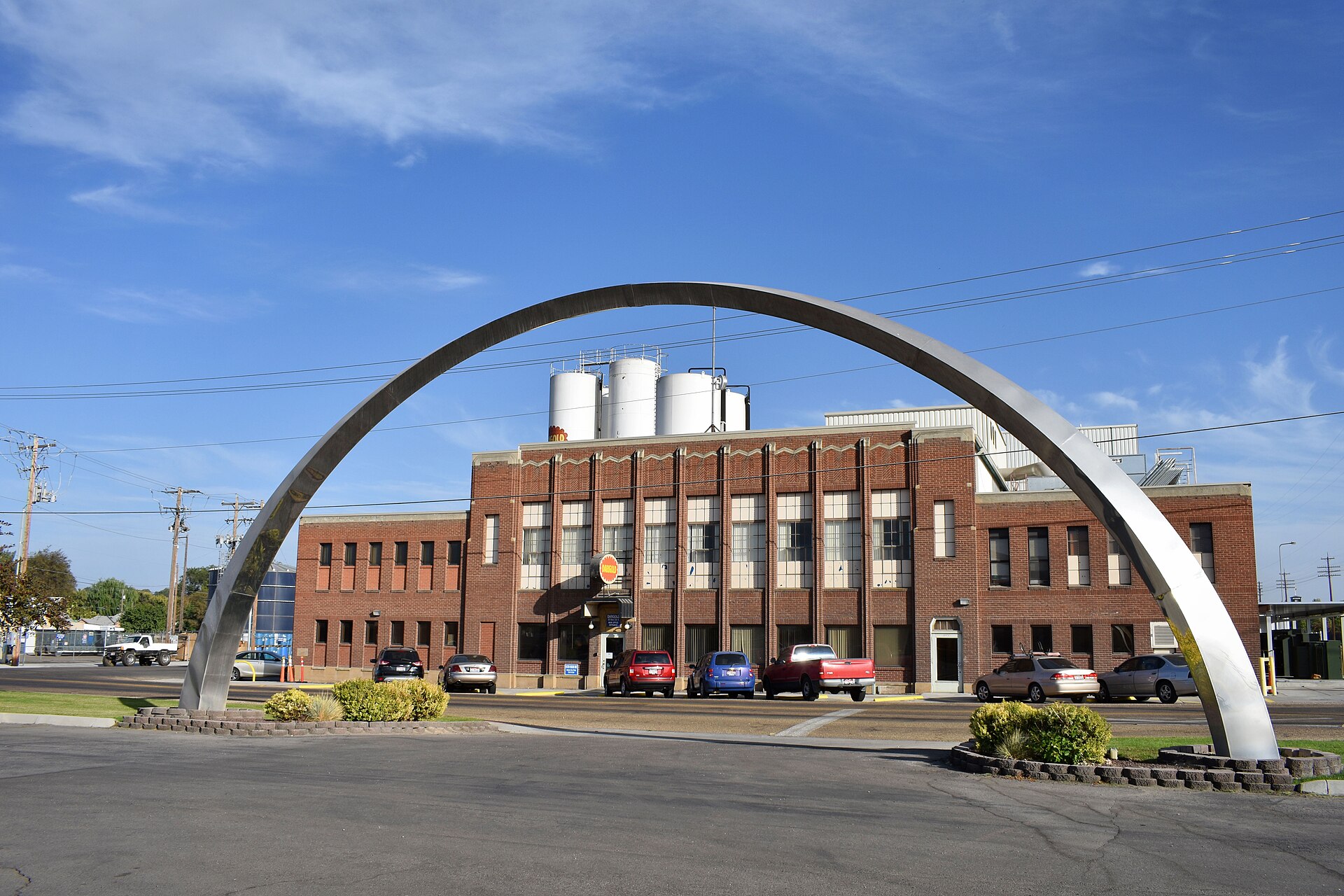
Caldwell is a city of roughly 60,000 people in Canyon County, about 30 miles west of Boise along Interstate 84. It grew up as a railroad town in the 1880s, developed into one of Idaho’s agricultural centers, and in the last decade rebuilt its downtown around a creek that had been buried under the streets for most of the 20th century.
What is Caldwell, Idaho?
Caldwell is the seat of Canyon County, Idaho’s second-most populous county, and sits within the broader Boise metropolitan area sometimes called the Treasure Valley. The U.S. Census Bureau lists it among the fastest-growing cities in the state over the past decade, driven by both agricultural industry and spillover growth from Boise and Nampa. It is a distinct incorporated city, not a Boise suburb in any administrative sense, with its own city government, school district, and downtown core.
How far is Caldwell from Boise, and how do you get there?
Caldwell sits about 30 miles west of downtown Boise via I-84, typically a 30-to-40-minute drive depending on traffic through Meridian and Nampa. There is no rail passenger service and no direct Valley Regional Transit route connecting the two downtowns on a frequent schedule, so a personal vehicle is the practical way to make the trip. Readers weighing how the wider valley fits together can see the pattern laid out in how far apart everything actually is around Boise, and how Caldwell compares to its closer neighbor is covered in what Nampa is and how it differs from Boise.
What is downtown Caldwell built around?
Downtown Caldwell developed along the Oregon Short Line railroad, which reached the site in 1883 and gave the town its original commercial grid. For decades the core was a conventional small-city downtown of brick storefronts, anchored on one side by the rail depot and on the other by the campus of the College of Idaho. Running beneath several blocks of that grid, largely unseen, was Indian Creek — a natural waterway that had been culverted and paved over in the early 20th century as the city expanded, treated at the time as a drainage problem rather than a feature.
What changed in downtown Caldwell — what is Indian Creek Plaza?
The single biggest change to downtown Caldwell in recent years is the “daylighting” of Indian Creek — physically uncovering the buried waterway and rebuilding the blocks around it as a public plaza. The City of Caldwell’s own project materials describe the effort as reversing decades of covering the creek in concrete, restoring an open channel through the center of downtown, and building Indian Creek Plaza around it: a public gathering space with a performance pavilion, a splash feature used in summer, and a rink used for ice skating in winter.
The project is significant for a reader trying to understand the city because it reversed the direction downtown had been heading for a century. Where the creek was once treated as infrastructure to be hidden, the city’s redevelopment treats it as the organizing feature of downtown — the reason people now have a reason to be there outside of business hours. Specific hours, seasonal programming, and current admission details for plaza features change year to year, and are best confirmed on the City of Caldwell’s own site rather than assumed from any outside guide.
.jpg)
What is the College of Idaho, and why does it matter to the city?
The College of Idaho is a private liberal arts college founded in 1891, and its campus sits adjacent to downtown Caldwell, making the college one of the largest employers and cultural institutions in the city. The college’s own site describes its Orma J. Smith Museum of Natural History, housed on campus, as holding regional natural history and geology collections open to the public. A college of this size in a city of Caldwell’s population has an outsized effect on downtown foot traffic, housing demand, and the kind of small businesses that can operate near a campus.
What is Canyon County agriculture, and how does it shape Caldwell?
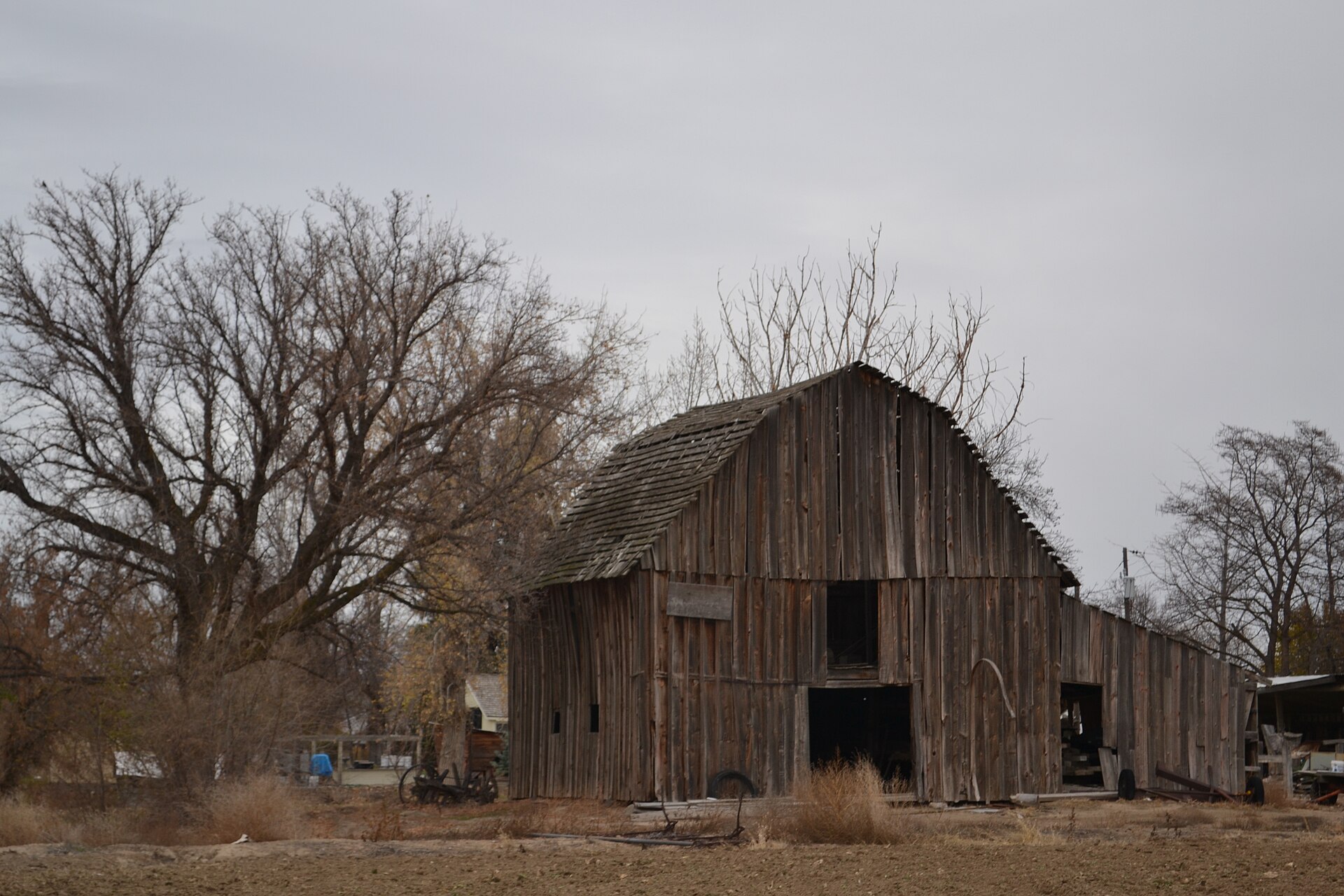
Canyon County is one of Idaho’s principal agricultural counties, and Caldwell sits at its center. The area around Caldwell, extending toward Wilder and Parma, is part of the concentration of hop-growing acreage that makes Idaho one of the top hop-producing states in the country, a fact tied directly to the malt and brewing industries covered in what Boise’s brewery scene is actually built on. The same agricultural belt supports dairy operations, sugar beet and mint production, and orchard and vineyard land to the south, including the Sunnyslope area explained in what Idaho wine is and where the Sunnyslope sits. Caldwell’s role as a county seat and rail junction historically made it the processing and shipping point for that agricultural output, which is part of why its downtown grew where and how it did.
What is the Caldwell Night Rodeo?
The Caldwell Night Rodeo is an annual professional rodeo held in Caldwell, run in conjunction with the Canyon County Fair, typically in August. It draws competitors and spectators from across the region and is one of the larger rodeo events in the Pacific Northwest by the standards of its own organizers. As with any dated event, exact scheduling, ticketing, and venue details should be confirmed directly with the rodeo’s own organizers rather than assumed from a prior year’s calendar.
Is Caldwell worth a visit from Boise?
Caldwell functions less as a tourist destination in its own right and more as a working Idaho city that happens to have rebuilt its downtown in a genuinely notable way. A visitor drawn by the daylighted creek, the college museum, or the agricultural history of Canyon County will find a small, walkable downtown core rather than a district built around visitor amenities. Readers assembling a broader picture of day trips out of Boise can browse the pattern in the Day Trips archive, and those wanting the fuller shape of how Boise itself works, before deciding how a place like Caldwell fits into a longer stay, can start with the Boise guide hub or the Living in Boise hub for how the wider valley actually functions day to day.
Access Boise is an independent guide written from published, checkable sources. We have not visited the places described here and we do not publish personal recommendations or invented ‘local favourites’ — where something is singled out as notable, we say who says so. Opening times, fares, closures and prices change at short notice, so treat everything here as a starting point and confirm with the museum, operator or venue directly before building a day around it. We give no advice on visas, insurance, health or safety; use your own government’s official guidance for those.
Featured image: Photo by Tamanoeconomico, source, CC BY-SA 4.0
