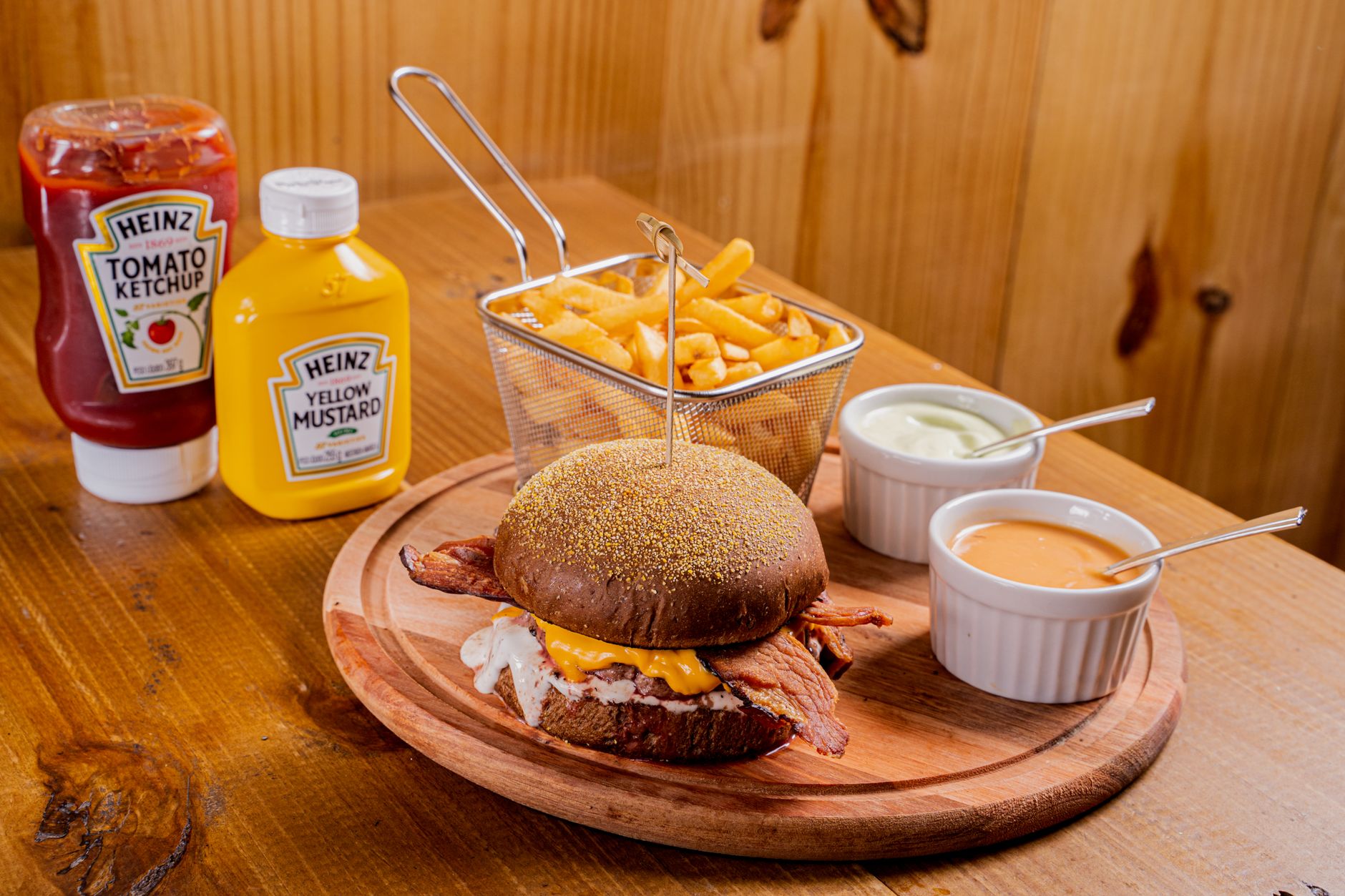
What is fry sauce, and where did it come from?
Fry sauce is a cold condiment made by blending ketchup and mayonnaise, usually with a few extra ingredients like pickle juice or paprika. It first appears in Utah in the late 1940s, credited to the Arctic Circle drive-in chain, and spread through the Mountain West as a standard companion to fast-food fries. It is now common across Idaho, including Boise.
Who gets credit for inventing fry sauce?
Arctic Circle, a drive-in chain that formally opened in Salt Lake City in 1950, is the business most often credited. Company accounts hold that a franchisee began mixing ketchup and mayonnaise for fries before the chain’s official founding. Utah-based food writers and the state’s own tourism materials repeat this story. No surviving receipt or written recipe from that era proves an exact ratio, so the founding date is treated as approximate rather than certified.
What is not in dispute is the geography. Fry sauce moved outward from Utah along the same interstate corridors that carried fast-food franchising through the 1950s and 1960s. Idaho, sharing a border and a highway network with Utah, absorbed the condiment early. By the time national burger chains reached Boise, a ketchup-mayo blend was already familiar on local menus.
What is actually in fry sauce?
The base is mayonnaise and ketchup, typically in a ratio somewhere between 2:1 and 3:1 mayonnaise to ketchup. That produces a color closer to pale coral than red. Beyond the base, recipes diverge.
- Pickle juice or sweet relish, for tang and a slight crunch
- Worcestershire sauce, in small amounts, for savory depth
- Smoked paprika or cayenne, for color and mild heat
- Garlic powder or onion powder
- Horseradish, in some restaurant versions, for sharpness
Because none of these additions is standardized, fry sauce varies restaurant to restaurant. That variability is part of why it resists a single fixed recipe, and why most businesses that sell it treat the exact formula as proprietary.
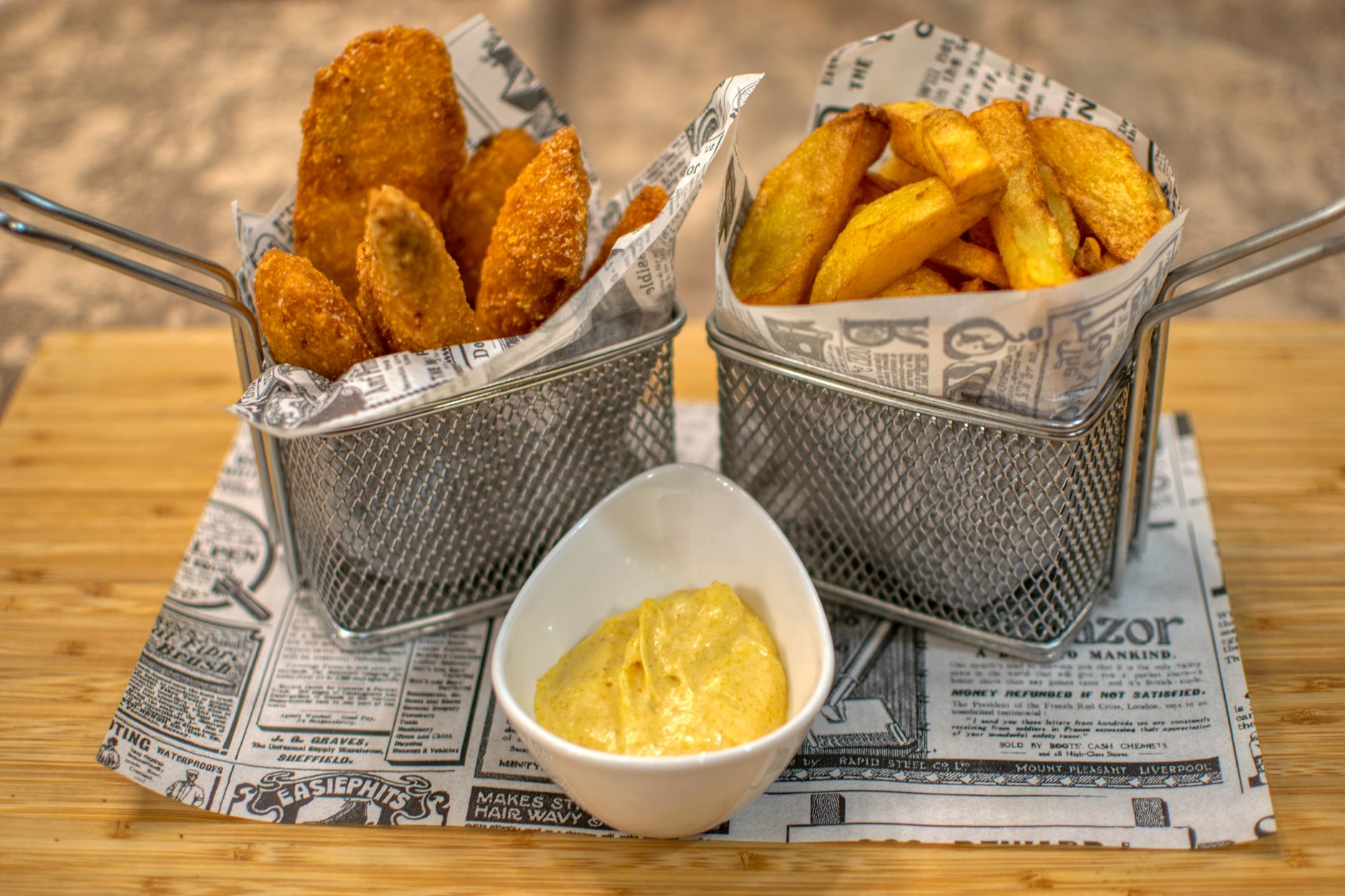
Why is fry sauce associated with Idaho and the Mountain West?
Idaho’s food identity already runs through the potato, and fry sauce arrived as a natural pairing for a food the state produces at industrial scale. That connection is more cultural than official — no state agency has adopted fry sauce as a symbol the way it treats the potato itself. Readers curious about the potato side of that story can see how it holds up beyond the joke in Idaho potatoes, beyond the joke.
Fry sauce also sits alongside other dishes Boise claims a local hand in. The finger steak, a breaded and fried strip of beef, has its own disputed Boise origin story, covered in what is a finger steak, and where did it start? Both condiments and dishes like it circulate through the diners and drive-ins that make up Boise’s everyday food scene, rather than through any single flagship restaurant.
Which Boise-area chains and restaurants make their own fry sauce?
A handful of Boise-connected businesses disclose enough about their fry sauce to be worth naming directly, rather than describing generically.
| Business | What is known | Source |
|---|---|---|
| Zip’s Drive-In | An Idaho-founded drive-in chain, established in Idaho Falls in 1928 and operating locations across the Boise area, that sells a trademarked condiment called Zip Sauce. The exact recipe is kept proprietary; the company markets it as its own creation rather than a copy of Utah’s fry sauce. | Zip’s Drive-In’s own site and packaging |
| Boise Fry Company | Founded in Boise in 2012, this fries-focused restaurant chain built its menu around a lineup of dipping sauces rather than a single condiment, with fry sauce as one option alongside others such as rosemary ranch. It has since expanded to multiple Idaho and out-of-state locations. | Boise Fry Company’s own menu materials |
Beyond these two, many independent diners and drive-ins around Boise serve a house-made pink sauce alongside standard ketchup, but do not publish a recipe or ratio. Where that is the case, the most reliable approach is to ask the restaurant directly, rather than trust a secondhand claim about what is in it.
Where can you buy bottled fry sauce in Boise grocery stores?
For readers who want it at home rather than on a plate, bottled options exist in the regular condiment aisle of most large Boise grocery stores.
- Fred Meyer stores in the Boise area typically stock bottled fry sauce and Utah-brand fry sauce alongside standard ketchup and mayonnaise; exact brands on shelf vary by store and season, so confirm on a given visit.
- Zip’s Drive-In sells bottled Zip Sauce directly through its restaurants and, according to the company’s own site, through select grocery retail as well.
- The Boise Co-op emphasizes Idaho-made and regional products across its shelves; its condiment selection leans toward smaller producers rather than the national fast-food brands, so a shopper looking specifically for a chain’s bottled fry sauce may have better luck at a conventional supermarket.
None of this is a claim about current stock at a specific store on a specific day. Grocery inventories change. The durable fact is the category: bottled fry sauce, under various brand names, is a normal presence in Boise-area condiment aisles, not a specialty item that requires seeking out.
How does fry sauce differ from aioli or Thousand Island dressing?
Fry sauce, aioli, and Thousand Island dressing all share a mayonnaise base, which leads to confusion between them. The differences are real.
- Fry sauce is mayonnaise and ketchup, smooth, with no visible chunks.
- Thousand Island dressing adds pickle relish and often chili sauce, giving it visible texture and a sweeter profile.
- Aioli, in its traditional form, contains no ketchup at all — it is an emulsion of oil and garlic, or a garlic-flavored mayonnaise in its more common American usage.
Restaurants sometimes use these names loosely, which is part of why a menu description is not always a reliable guide to what actually arrives on the plate.
Where does fry sauce fit into Boise’s wider food scene?
Fry sauce is a minor but persistent thread in a food identity built more visibly around Basque cooking, Idaho trout, and the state’s potato industry. The Basque dishes that recur in Boise and the businesses along the 8th Street food corridor represent the parts of the city’s food story that get formal recognition from historical and tourism bodies. Fry sauce, by contrast, is folk food — regionally understood, rarely documented, and mostly transmitted through drive-in menus rather than institutions.
Readers looking at Boise’s food landscape more broadly can find a wider survey in the Food & Drink archive, which covers everything from farmers markets to the state’s wine and brewing industries alongside condiments like this one.
Related reading
what the city is like to actually live in, getting around, planning, itineraries, food and the foothills, museums, landmarks, neighbourhoods and day trips, Boise Cost of Living Compared to Portland, Seattle, Denver and Salt Lake.
Access Boise is an independent guide written from published, checkable sources. We have not visited the places described here and we do not publish personal recommendations or invented ‘local favourites’ — where something is singled out as notable, we say who says so. Opening times, fares, closures and prices change at short notice, so treat everything here as a starting point and confirm with the museum, operator or venue directly before building a day around it. We give no advice on visas, insurance, health or safety; use your own government’s official guidance for those.